




Why Is Everyone Suddenly a Fruit Farmer?
The buzz is real. Urban farming, once a niche hobby, has become a mainstream aspiration. The desire for fresher, chemical-free food, coupled with a renewed focus on wellness and sustainable living, has pushed many city dwellers to look at their limited
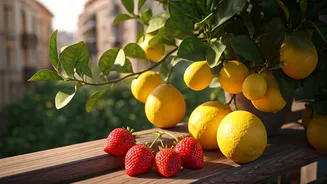
spaces with new eyes. Growing your own fruit offers a tangible connection to nature—something often missing in the concrete jungle—and delivers a sense of accomplishment that is hard to beat. Studies have shown that people who grow their own produce tend to eat healthier and waste significantly less. Plus, let's be honest, the flavour of a sun-ripened strawberry or a juicy guava picked from your own plant is a luxury no supermarket can offer.
Your Balcony Starter Kit
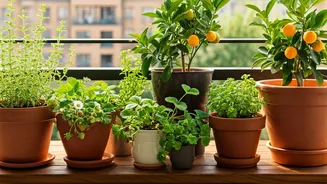
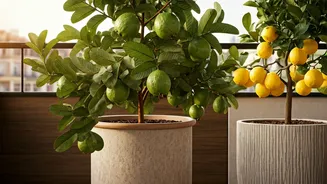
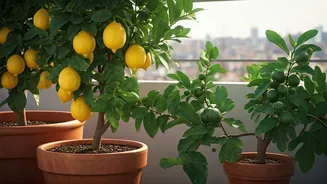
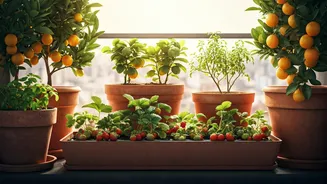
Getting started is simpler than you think. First, assess your sunlight. Most fruit-bearing plants need at least six to eight hours of direct sun to thrive. A south or west-facing balcony is ideal. Next, choose your containers. The size of the pot is crucial. While smaller plants like strawberries can grow in 12-inch pots, larger ones like dwarf guava or lemon trees will need 18 to 24-inch containers to support a healthy root system. Don't use regular garden soil; it's too heavy and can carry pests. Instead, opt for a lightweight potting mix containing coco-peat, compost, and vermicompost for good drainage and nutrition.
Easy Fruits to Get You Started
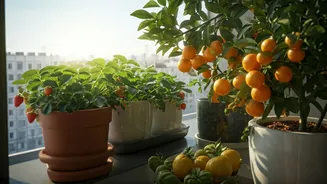
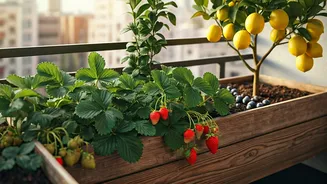
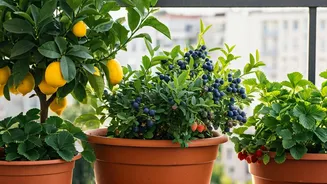
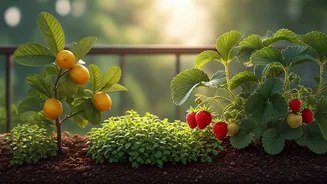
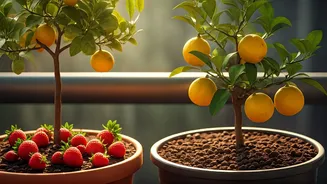
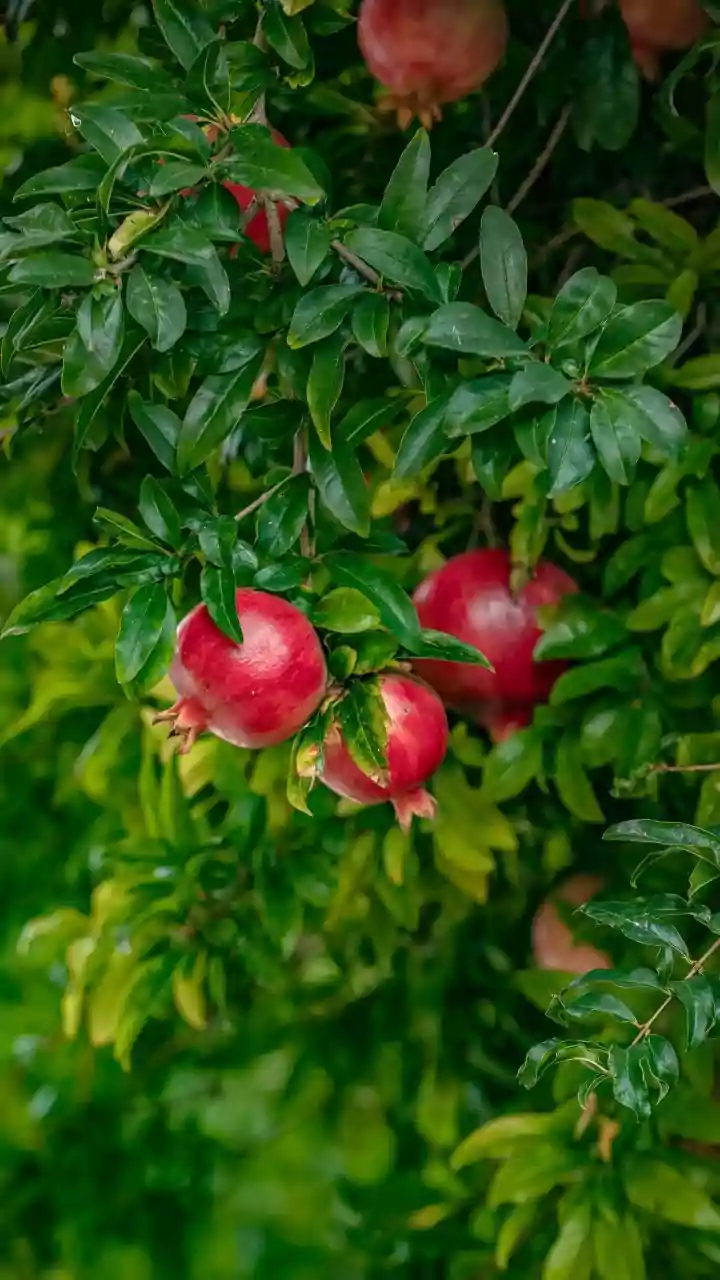
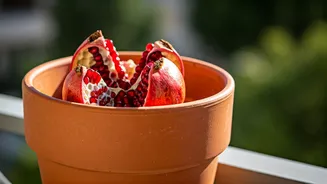
Not all fruits are created equal when it comes to container gardening. For beginners in India, it's best to start with hardy, low-maintenance varieties. Strawberries are a great choice as they can thrive in hanging baskets and produce fruit relatively quickly. Dwarf citrus varieties like Baramasi Lemon are perfect for pots and can provide fruit year-round. Dwarf Guava is another hardy option that does well in containers and loves the Indian climate. For something a little different, consider dwarf pomegranate ('Anar'), which is drought-tolerant and produces beautiful flowers before fruiting. If you're looking for quick results, Mulberry ('Shahtoot') is one of the fastest-growing options. For most of these, it's best to buy a grafted plant from a nursery, as they will start fruiting much sooner than seed-grown ones.
Avoiding Common Mistakes
Your journey to a fruitful balcony will have its learning moments. The most common mistake is improper watering. Water the plants only when the top inch of soil feels dry, but when you do water, do it deeply until water runs out of the drainage holes. Overwatering can lead to root rot, a common plant killer. Pests are another challenge. Aphids, mealybugs, and spider mites are frequent uninvited guests. A simple and effective organic solution is a neem oil spray. Mix a few drops of neem oil with a mild liquid soap and water, and spray it on the plants every 7-10 days as a preventative measure. Finally, don't forget to feed your plants. Container plants lose nutrients faster, so applying vermicompost or another organic manure every 15-20 days is essential, especially during flowering and fruiting.