


The Marcel and Finger Wave
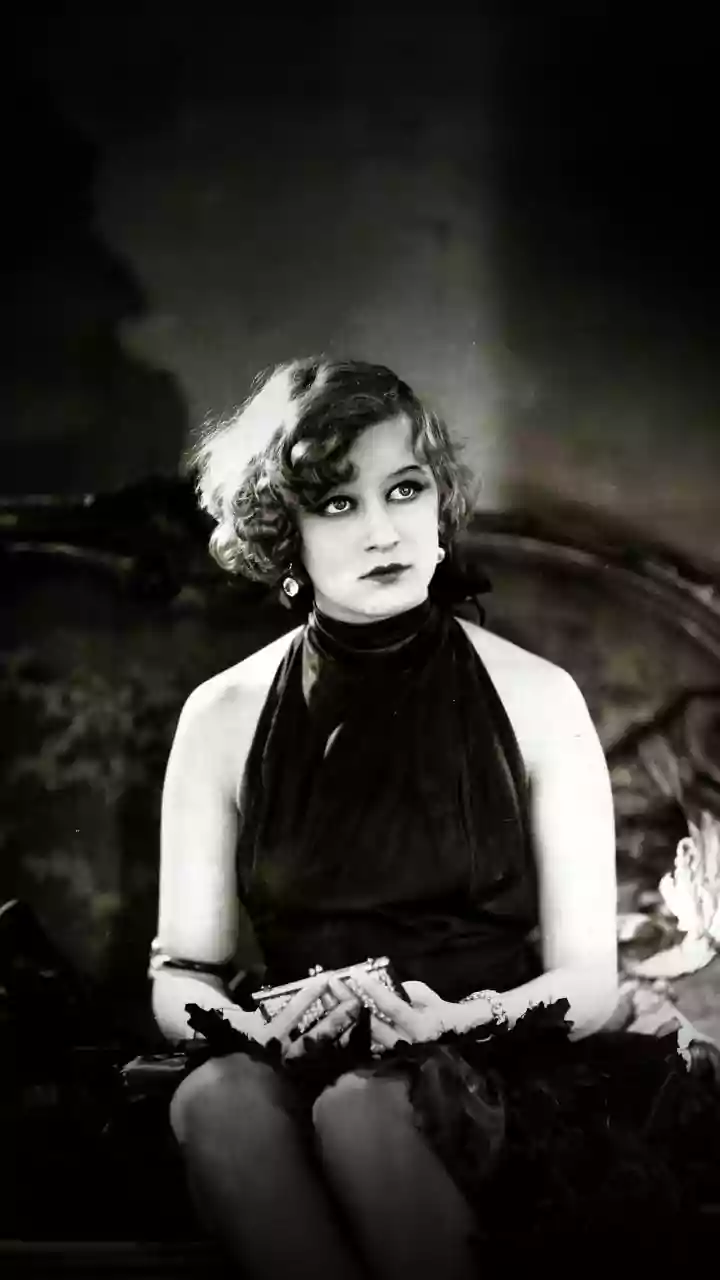
Dominating the 1920s and 30s, the Marcel Wave was a symbol of the Jazz Age's new, liberated woman. Created by French hairdresser François Marcel in the 1870s using a heated curling iron, this technique produced a series of tight, uniform waves set close
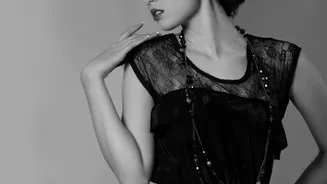
to the head. The look was sharp, polished, and often applied to chic bob haircuts, as seen on stars like Josephine Baker and Claudette Colbert. A similar, more accessible style was the finger wave, which women could create at home on wet hair using lotion, a comb, and their fingers, making it a popular and cost-effective choice during the Depression era. Both styles created a distinct 'S' shape that framed the face with geometric precision, defining the sleek look of the flapper generation.
The Peek-a-Boo Wave
No hairstyle is more synonymous with 1940s mystique than the Peek-a-Boo wave, made legendary by actress Veronica Lake. This iconic look featured a deep side part with long, soft waves cascading over one eye, creating an alluring and sultry effect. The style happened by accident during a film take when her fine hair fell over her face, but the director knew it was a winning look. It instantly became a national sensation, with women rushing to salons to get 'The Lake Look'. The style's popularity was so immense that during World War II, the U.S. government asked Lake to adopt a more practical updo to encourage female factory workers to wear safer hairstyles, preventing accidents with machinery.
Victory Rolls
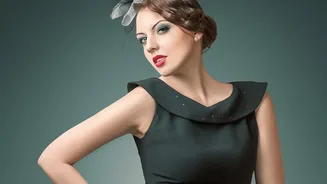
A quintessential 1940s hairstyle, Victory Rolls were both a patriotic statement and a practical solution. The name is believed to be inspired by the V-for-victory campaign and the looping aerial maneuvers of WWII fighter planes. The style featured voluminous rolls of hair pinned on top of the head or framing the face. These sculpted rolls created a dramatic silhouette that added height and glamour. While famously worn by film stars like Ingrid Bergman, the style was also a practical way for women working in factories to keep their hair neatly and safely away from their faces. It was a versatile look that symbolized female strength and elegance during a time of global turmoil.
The Bombshell Wave
When you picture 1940s and 50s Hollywood glamour, you're likely thinking of Bombshell Waves. Popularized by screen siren Rita Hayworth, this style featured a deep side part with lush, voluminous waves that were brushed out to create a soft yet structured look. Her iconic auburn hair in the film 'Gilda' made this cascading style legendary. The term 'bombshell' itself became associated with Hayworth after her image was famously affixed to an atomic bomb. Achieving this look involved setting the hair in pin curls or with rollers and then carefully brushing it out to form a sweeping, cohesive wave that exuded confidence and sensuality. The style remains a red-carpet staple, synonymous with ultimate Hollywood elegance.
The Poodle Cut and Italian Cut
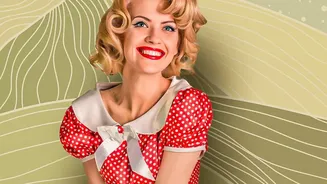
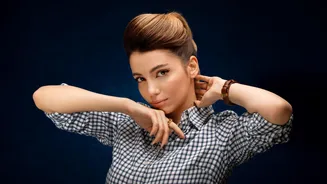
The 1950s ushered in a love for shorter, more stylized cuts. The Poodle Cut, made famous by Lucille Ball, involved tightly permed curls cut short, creating a high-volume, bubbly silhouette. On the other end of the short-hair spectrum was the 'Italian Cut', a look closely associated with Audrey Hepburn. This was a soft, textured, and slightly longer version of a pixie cut, often featuring feathery bangs. It signified a gamine, chic, and modern femininity that broke from the hyper-voluminous styles of the decade. These shorter shapes offered a sense of freedom and playfulness, perfectly capturing the optimistic, post-war spirit of the 1950s.