


The End of Checklist Tourism
For decades, travel was often a race against time—a mission to tick off as many famous sights as possible. Paris meant the Eiffel Tower, Agra meant the Taj Mahal, and Rome meant the Colosseum. While these icons remain powerful draws, a significant shift
is underway. Recent travel reports indicate a growing weariness with 'checklist tourism'. Modern travellers, particularly younger generations like Millennials and Gen Z, are increasingly prioritising unique, authentic experiences over simply visiting popular attractions. One 2026 report found that 83% of these travellers value authenticity above all else. It’s no longer enough to just see a place; the new goal is to truly experience it.
What's Driving the Desire for Authenticity?
Several factors are fuelling this change. Firstly, there's a growing sense of purpose-driven travel. Many want their trips to be more meaningful, seeking personal growth, connection, or a chance to contribute to local communities. In fact, recent data shows that 75% of travellers are actively looking for culturally authentic experiences, and 69% want their spending to benefit local economies. Secondly, there's the influence of social media. While platforms like Instagram once fuelled landmark-chasing, they now also expose travellers to off-the-beaten-path destinations and intimate local encounters, raising the bar for what a fulfilling trip can be. Finally, post-pandemic priorities have led many to seek deeper connections and less crowded spaces, moving away from mass tourism toward more personal journeys.
What 'Authentic Travel' Actually Looks Like
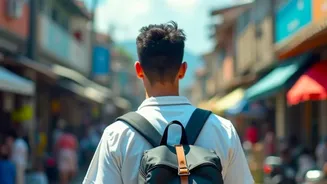
So, what does this trend look like in practice? It's about swapping the tour bus for a walking tour with a local historian who shares hidden stories. It’s choosing a cooking class in a family home over a fancy restaurant, learning to prepare regional dishes with ingredients from the local market. It’s participating in a craft workshop with a local artisan, creating something tangible to remember the trip by. This approach, often called 'experiential travel', focuses on immersion. It might involve a farm stay in the hills of Kerala, learning about spice cultivation firsthand, or joining a community-led project in a village in Rajasthan. The goal is to participate, not just observe. According to one survey, 82% of travellers say learning a new skill makes a trip more memorable.
The Rise of Slow Travel
Hand-in-hand with the quest for authenticity is the rise of 'slow travel'. This philosophy encourages travellers to spend more time in a single location rather than rushing through multiple cities. By staying longer, you can move beyond surface-level impressions and begin to understand the local rhythm of life. It allows for spontaneous discoveries—the charming neighbourhood cafe, the friendly shop owner, the local festival you didn't know about. This approach is not only more relaxing but also more sustainable, as it reduces the carbon footprint associated with constant transit and helps distribute tourist spending more evenly within a community. Reports show a clear appetite for this, with a 19% growth in bookings for trips longer than eight days.
Finding Your Own Authentic Path
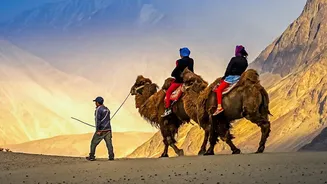
Incorporating this mindset into your own travels doesn’t require a radical overhaul. Start small. On your next trip, dedicate a day to exploring without a fixed itinerary. Visit a local market early in the morning. Use public transport instead of taxis. Ask your hotel staff or homestay host for their personal recommendations for food and activities, not just the tourist hotspots. Look for experiences that connect you to the place's culture, whether it's a textile workshop in Gujarat, a traditional music performance in Chennai, or a guided nature walk in the Himalayas. The most memorable moments often happen when you step off the well-trodden path and allow for a little spontaneity.