




The Revolution in Our Closets
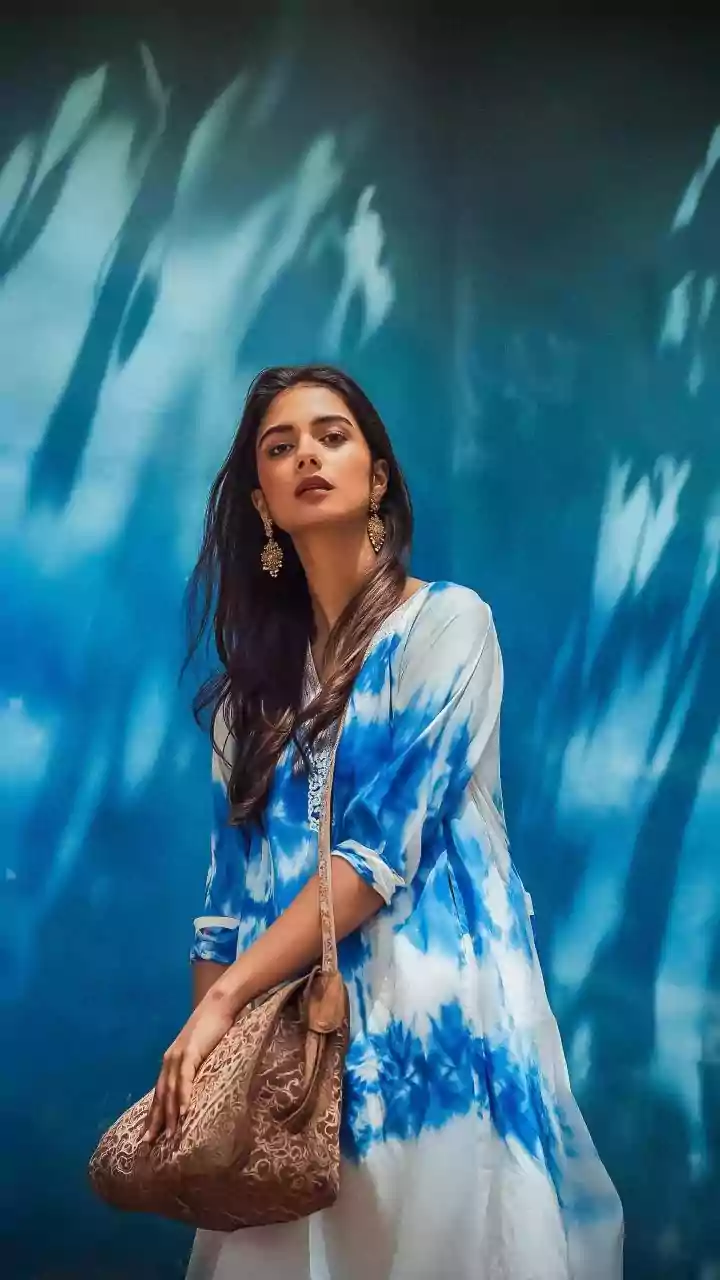
Look around. The uniform of mass-produced fast fashion is giving way to something more personal and profound. The distinct texture of Khadi in a sharp office blazer, the vibrant blur of an Ikat pattern on a breezy summer dress, the subtle sheen of Chanderi
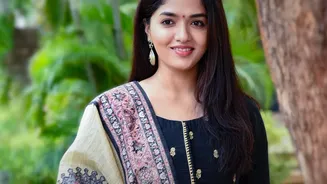
in a casual kurta—these are the sights of a modern textile renaissance. For decades, handloom was relegated to occasion-wear, precious and stored away. Today, it’s being embraced for its everyday utility and unique character. This isn't just about preserving tradition; it's about making tradition live and breathe in our daily lives. A new generation of consumers and designers is proving that handwoven textiles can be contemporary, comfortable, and incredibly chic.
What's Driving the Change?
This revival is not accidental. It's a movement fuelled by a confluence of factors. A growing global consciousness around sustainability has consumers questioning the environmental and human cost of fast fashion. Handloom production, with its minimal carbon footprint and reliance on natural fibres, offers a compelling, eco-friendly alternative. Simultaneously, there's a renewed appreciation for authenticity and craftsmanship. In a world of digital uniformity, a handwoven piece, with its slight imperfections and unique story, feels like a true luxury. Government initiatives and the rise of digital platforms have also been crucial, connecting artisans directly with a global market and eliminating intermediaries.
Everyday Heirlooms: Fabrics to Know
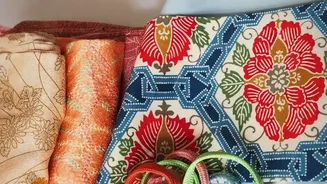
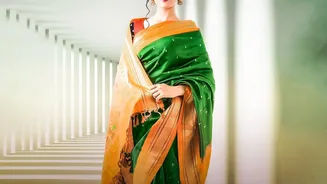
The beauty of this revival lies in its diversity. While magnificent Banarasi silks still have their place, the focus has shifted to more versatile, breathable fabrics. Khadi, the hand-spun, hand-woven fabric championed by Mahatma Gandhi, is leading the charge. Known for its unique ability to keep you cool in summer and warm in winter, it's now being fashioned into everything from tailored trousers to denim-style jackets. Ikat, with its characteristic geometric patterns created by tie-dyeing yarns before weaving, brings a vibrant energy to dresses, blouses, and even co-ord sets. Lightweight Chanderi and Jamdani offer sheer elegance for daily wear, while handloom linens and cottons provide unparalleled comfort and durability.
Designers and Brands Leading the Way
This movement would not be possible without the vision of designers and brands who are acting as crucial bridges between artisans and modern consumers. Labels like Raw Mango, NorBlack NorWhite, and Paiwand Studio are not just using handloom fabrics; they are reinterpreting them for a contemporary audience. They are experimenting with modern silhouettes, streetwear influences, and innovative techniques like upcycling pre-consumer waste into new handwoven textiles. These brands work closely with weaving clusters across the country—from Kutch to West Bengal—ensuring that artisans receive fair wages and the skills are passed down, all while making craft relevant for today's wardrobes.
More Than Just a Piece of Clothing
Choosing to wear handloom is more than a style choice; it’s a conscious decision with far-reaching impact. It supports the livelihoods of millions of artisans, particularly in rural India, where weaving is often the second-largest source of employment after agriculture. It helps preserve centuries-old craft traditions that are a vital part of India's cultural identity. And it promotes a more sustainable model of consumption, encouraging us to buy fewer, better things that are made to last. Each handloom garment carries within its threads a story of human skill, regional heritage, and a commitment to a more thoughtful way of living.