


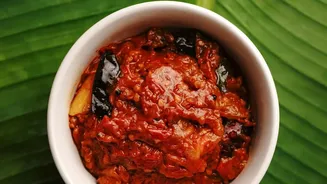
From Humble Staple to Haute Cuisine
The Indian pickle market, a segment deeply rooted in tradition, is experiencing a remarkable evolution. Valued at over ₹6,500 crores, the market is witnessing a surge in demand for premium and artisanal varieties. This shift is not just about a higher
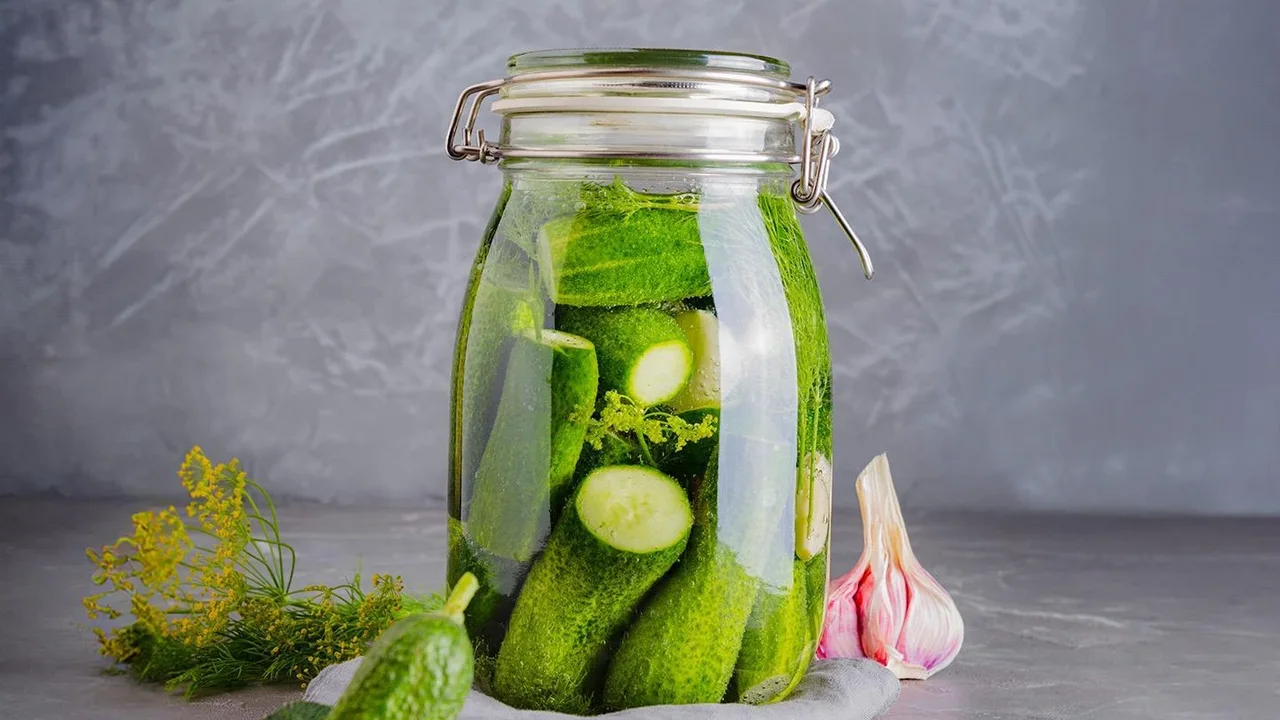
price tag; it's a redefinition of what a pickle can be. The new 'gourmet' status is driven by a consumer desire for authenticity, natural ingredients, and unique flavour profiles that go beyond the standard mango and lime pickles. Brands are now focusing on organic ingredients, cold-pressed oils, and traditional recipes without artificial preservatives, catering to a more health-conscious and discerning audience. This move towards quality and transparency is turning a simple flavour enhancer into a premium culinary product.
A Celebration of Regional Diversity
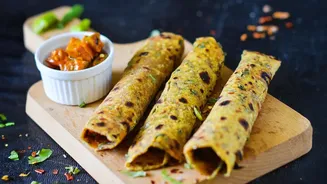
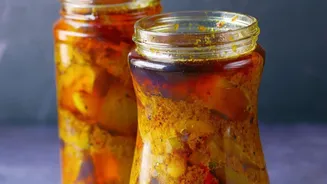
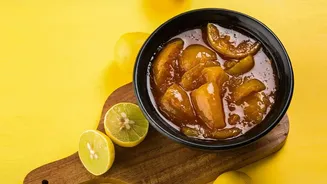
The real stars of this trend are the diverse and unique pickles from different corners of India. Each region has its own treasure trove of recipes, shaped by local ingredients and climate. In the North, Punjab's Gajar Gobhi Shalgam ka Achar offers a sweet and spicy crunch perfect for winter. From the West, Gujarat's sweet and tangy Chhundo, made from grated raw mangoes, provides a delightful contrast. The South brings the fire with Andhra Pradesh’s iconic Avakaya, a robust mango pickle, and Gongura pickle, made from tangy sorrel leaves. Kerala offers a taste of the coast with its Chemmeen Achar (prawn pickle). Meanwhile, the Northeast introduces bold flavours like Bhut Jolokia (ghost pepper) pickle from Assam and Sikkim's Dalle Khursani Achaar. This rediscovery and celebration of regional specialities are at the heart of the pickle's gourmet journey.
New Brands Championing Old Traditions
This revival is being led by a wave of new-age, homegrown brands that are packaging heirloom recipes for a modern audience. Many of these ventures were born during the pandemic, turning a passion for traditional food into a business. Brands like JhaJi are bringing the authentic taste of Mithila to the forefront, using ingredients sourced from local farmers. Others, like Vatha's from the Malabar region, are popularising a range of non-vegetarian pickles including fish, prawns, and beef. These artisanal producers focus on small-batch production, sustainable packaging like glass jars, and telling the story behind their recipes. By doing so, they connect consumers not just with a product, but with a piece of cultural heritage. The online market has been crucial, with sales growing at an estimated 25-30%, allowing these regional brands to reach customers across the country and even globally.
The Chef's Secret Ingredient
The elevation of pickles to gourmet status is also being championed by chefs in high-end restaurants. They are moving achar from the side of the plate to the centre of the dish. Pickle oil is used to finish grilled meats, fermented chilli paste is stirred into sauces, and traditional achars are being paired with cheese boards as a complex alternative to chutney. Creative chefs are marinating paneer and chicken in pickle masala to create innovative dishes like Achaari Paneer Tikka. Even mixologists are getting in on the trend, using pickle brine to create savoury cocktails with a unique Indian twist. This culinary embrace validates the pickle's complexity and versatility, showcasing its potential far beyond a simple condiment.