






What's Behind the Price Hike?
The rising cost of your favourite cooking oil isn't a simple issue; it's a complex mix of global and domestic factors. India is the world's largest importer of vegetable oils, meaning what happens in other countries directly impacts prices at your local
kirana store. The country imports more than half of the edible oil it consumes, with palm oil coming from Indonesia and Malaysia, soybean oil from Argentina and Brazil, and sunflower oil from the Black Sea region. Recently, major producers like Indonesia have increased the amount of palm oil they divert to making biodiesel. This policy shift reduces the amount of oil available for export as food, creating a supply squeeze that pushes prices up for buyers like India. Furthermore, unpredictable weather patterns linked to El Niño can affect oilseed crops in key producing regions, adding another layer of uncertainty to global supplies.
The Numbers on Your Grocery Bill
The impact is not just theoretical; it's showing up in the numbers. According to recent government data from August 2026, the price of packed sunflower oil has jumped by over 18%, while palm oil saw an increase of over 14%. Other popular oils have also become more expensive, with soya oil up by nearly 12% and even domestically produced groundnut and mustard oils seeing hikes of over 9% and 7% respectively. These increases are notable because prices for other staples like pulses and cereals have remained relatively stable. Over the past year, vegetable oil prices have climbed by nearly 20%, a significant jump that is contributing to overall food inflation and forcing households to spend more on the same basket of goods.
From the Pan to Your Plate
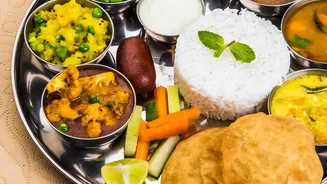
An increase of a few rupees per litre might not seem like much at first, but it adds up significantly over a month, especially with the festive season approaching. This is a time when consumption of fried foods, sweets, and snacks, all of which are oil-intensive, typically skyrockets. The higher cost directly translates to more expensive home-cooked meals. Everyday tadkas, vegetable stir-fries, and the occasional treat of puris or pakoras now come with a higher price tag. This isn't just about discretionary spending; for many street food vendors and small restaurants, rising oil costs squeeze their thin margins, which can eventually lead to higher prices for consumers on everything from samosas to dosas.
Smart Ways to Manage Your Oil Budget
While you can't control global markets, you can adopt smarter habits in the kitchen. One effective strategy is to use the right oil for the right purpose. Reserve expensive, flavourful oils for dressings and finishing dishes, and use more economical options for high-heat cooking and deep-frying. Methods like steaming or baking instead of frying can also significantly reduce oil consumption. For those who frequently deep-fry, reusing the oil a few times is possible—just ensure you strain it well after each use to remove food particles and store it properly. You could also consider investing in an air fryer, which uses significantly less oil for a similar crispy texture. On the policy front, the Indian government is reportedly considering a cut in import duties to help cool down prices ahead of the festival season, which could provide some relief to consumers.