



From Off-Season to On-Trend
For years, the Indian travel calendar was predictable. But that script has been flipped. A new generation of travellers, driven by experiences rather than itineraries, is redefining when and where to go. According to recent data from travel platform Cleartrip,
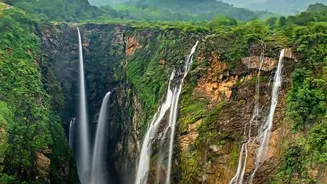
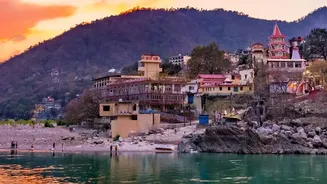
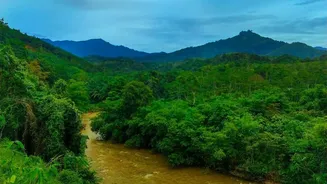
overall hotel bookings during the monsoon have surged by nearly 54% year-on-year, while bus bookings have skyrocketed by a staggering 140%. This shift is powered by a desire for authenticity and unique visuals—the mist-covered hills and lush, green vistas that dominate social media feeds from June to September. Travellers are no longer waiting for the 'perfect' season; they are chasing the vibrant, atmospheric experiences the monsoon provides, from wellness retreats in Rishikesh to the verdant backwaters of Kerala.
The New Monsoon Hotspots
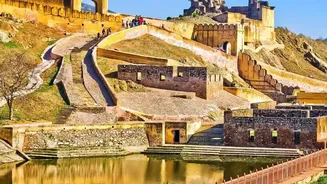
This monsoon boom isn't confined to a few usual suspects. While classic destinations are seeing growth, the most dramatic spikes are in unexpected places. The Northeast has emerged as a leader, with states like Nagaland and Arunachal Pradesh seeing hotel bookings jump by over 90%. In the south, hill stations are witnessing explosive interest. Wayanad in Kerala leads the pack with a phenomenal 160% growth in hotel bookings, while nearby Alleppey is up by 145%. Even established destinations are feeling the surge. Goa, long considered a winter-sun haven, saw hotel bookings climb by over 110%, and heritage cities like Udaipur are also reporting growth of over 50%. This widespread demand shows a fundamental change in the travel map, turning the entire country into a potential monsoon getaway.
The Accommodation Crunch
The direct result of this popularity is a squeeze on availability. The days of easily finding last-minute deals and deserted resorts during the rains are fading. With hotel bookings up more than 50% nationally and demand doubling in hotspots like Goa and Wayanad, rooms are becoming harder to secure. This increased demand is also tightening prices. Industry experts note that the significant price gap that once existed between peak and off-peak seasons has narrowed considerably. While monsoon travel may still offer some value compared to the December peak, the deep discounts of the past are being replaced by dynamic pricing that reflects the new reality: the 'off-season' is now very much on.
Beyond Bookings: The Strain on Local Life
The impact extends far beyond hotel lobbies. The surge in visitors puts immense pressure on local infrastructure, which is often at its most vulnerable during the monsoon. Roads in hilly and coastal regions, already susceptible to landslides and flooding, now have to contend with significantly more traffic, as evidenced by the 140% jump in bus travel. This creates a challenge for local connectivity and safety. Furthermore, the constant influx of tourists strains natural resources and tests the ecological balance of fragile environments. For communities in places like Goa and the Himalayan states, the disappearance of a quiet season means managing the economic benefits of year-round tourism against the costs of overburdened infrastructure and the potential loss of the very tranquility that drew travellers in the first place.