



The Science of Softness
Let’s start with the basics. When we apply heat to protein, whether it's chicken, paneer, or a tough cut of meat, its structure changes. This process is called denaturation. Heat causes the tightly coiled proteins to unravel and vibrate, breaking the weak
bonds that hold their shape. For tougher cuts of meat rich in connective tissue, slow and moist cooking methods like braising or pressure cooking are ideal. These techniques excel at breaking down tough collagen into luscious gelatin, resulting in that fall-apart texture we all crave in dishes like a rich mutton curry. Similarly, plant-based proteins like chickpeas or beans need ample time in liquid to hydrate and soften into a creamy, pleasant consistency.
The Magic of a Good Sear
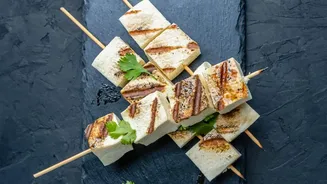
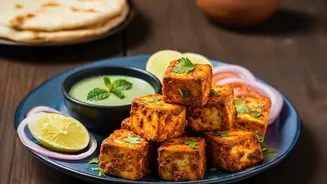
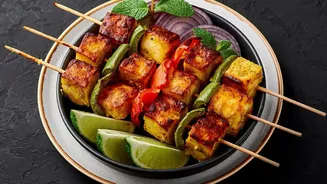
While softness is essential, flavour is what makes a dish truly memorable. This is where the Maillard reaction comes in. It’s a chemical reaction between amino acids and sugars that occurs when food is cooked at high temperatures. Think of the beautiful brown crust on a seared piece of fish, the charred bits on tandoori chicken, or the golden exterior of pan-fried paneer. That’s not just colour; it’s a complex explosion of flavour and aroma. To achieve this, the protein's surface must be dry and the pan must be hot. Crowding the pan can trap steam, dropping the temperature and stewing the food instead of searing it, which prevents this delicious browning from happening. So, even if you plan to slow-cook a piece of meat later, searing it first builds an irreplaceable foundation of savoury flavour.
Why Texture Is Everything
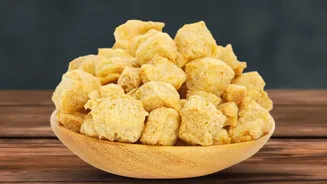
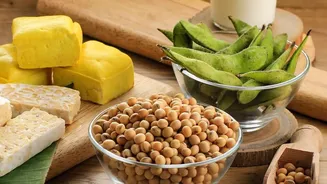
Great food engages multiple senses, and texture plays a huge role in that experience. A dish where everything is uniformly soft can be boring. The goal is often a contrast of textures. Imagine crispy chicken skin giving way to a juicy interior, or the firm, toothsome bite of a well-cooked kebab. Even with plant-based proteins like Textured Vegetable Protein (TVP), the cooking method determines the final feel. Rehydrating TVP in hot liquid is non-negotiable for a tender result, while baking it can create a firmer texture suitable for plant-based burgers or meatballs. Paying attention to texture adds another dimension to your cooking, making each bite more interesting and satisfying than the last. Methods like butterflying a chicken breast to create a thinner, even piece allow for faster cooking and a larger surface area for developing that all-important flavourful crust.
Don't Sacrifice Juiciness for Tenderness
There’s a fine line between tender and dry. As proteins cook, they denature and then begin to coagulate, squeezing out moisture. If you cook a lean piece of chicken breast for too long, it might become tender enough to shred, but it will also be stringy and dry. The key is temperature control. Different proteins require different levels of heat; delicate fish and eggs need gentle, low heat, while thicker cuts of meat can handle a high initial sear followed by a lower finishing temperature. Using a meat thermometer can be a game-changer, allowing you to cook proteins to the perfect internal temperature without guessing. Another crucial step is resting your meat after cooking. This allows the juices that have migrated to the center to redistribute throughout the cut, ensuring every slice is moist and flavourful.