



A Tradition Reborn Online
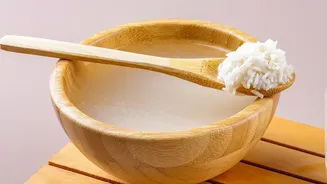
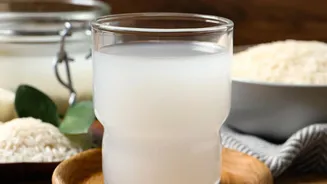
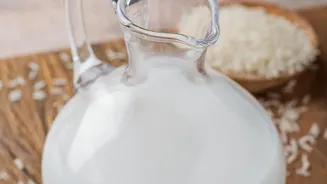
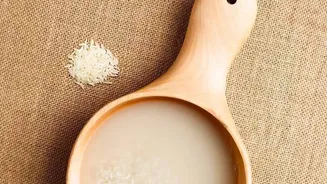
From glossy Instagram reels to viral TikTok videos, wellness influencers are touting the benefits of a milky, slightly sour liquid: fermented rice water. Presented as a simple, DIY elixir, it’s being credited with everything from creating glass-like hair
to soothing troubled digestive systems. The visuals are compelling—creators with floor-length, lustrous hair attribute their locks to regular rice water rinses. Others share recipes for consuming the liquid, promising a natural probiotic boost. This digital buzz has catapulted a humble kitchen byproduct into the spotlight, making it one of the most talked-about wellness hacks today. But before you run to your pantry, it's worth understanding that this is not a new discovery, but a rediscovery of a practice that is centuries old.
More Than a Trend: A Global Heritage
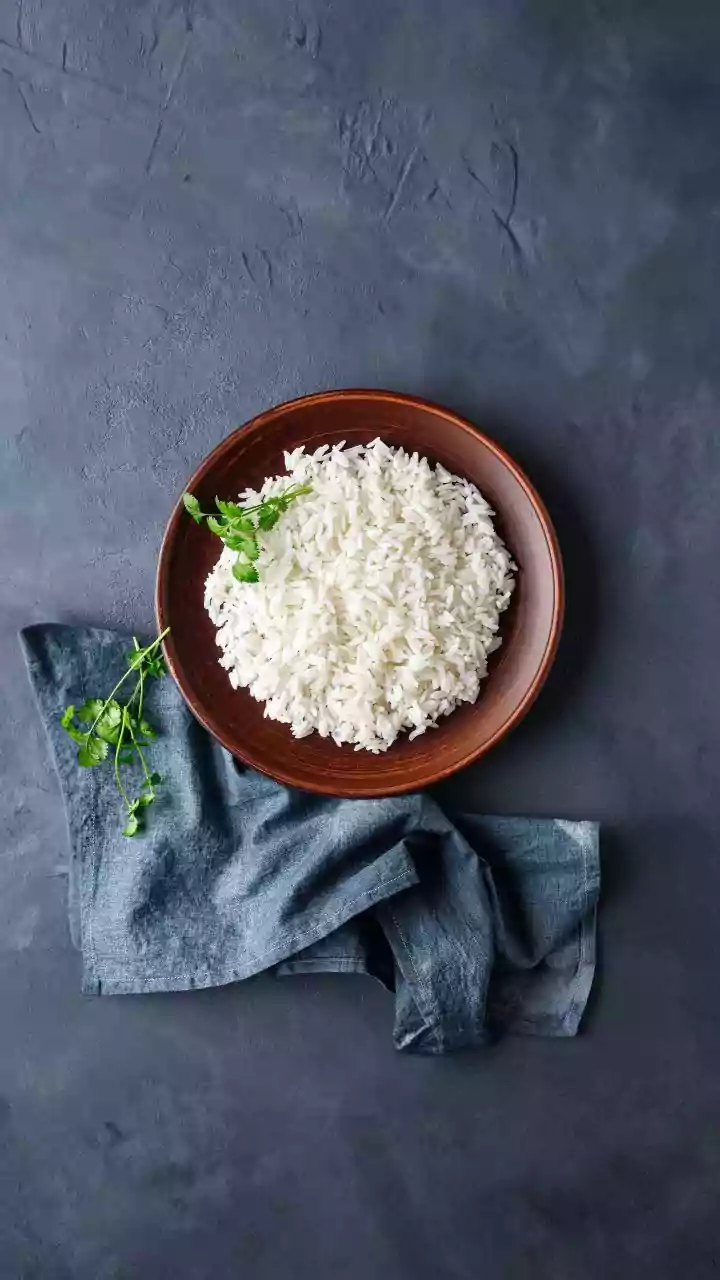
The use of rice water is a tradition steeped in history, particularly across Asia. The most famous example comes from the Red Yao women of Huangluo village in China, who are renowned for their exceptionally long, dark hair, which they have historically washed with fermented rice water. This practice dates back centuries. In Japan, court ladies of the Heian period (794–1185 AD) were known to keep their floor-length hair healthy by bathing it in the water left from washing rice. Closer to home, the tradition of consuming fermented rice water is deeply woven into India’s regional food cultures. In Tamil Nadu and Kerala, it’s known as Neeragaram or Pazham Kanji, a cooling, nourishing breakfast for farmers. In Odisha, it's called Pakhala, and is so beloved that it has its own day of celebration. In West Bengal and Assam, it is known as Panta Bhat. In these cultures, it has long been regarded as a source of energy and a way to soothe the stomach, especially in hot weather.
The Claims for Hair: Shine and Strength
For hair, the benefits are primarily linked to the nutrients that become more potent through fermentation. The process lowers the water’s pH to be closer to that of hair, which helps seal the hair cuticle, leading to smoother strands and increased shine. Fermentation also breaks down rice proteins into smaller amino acids and boosts the levels of inositol, a carbohydrate that can penetrate the hair shaft and strengthen it from within. This protective effect helps reduce breakage and split ends. Additionally, fermented rice water is rich in antioxidants like ferulic acid, which help protect hair from environmental damage. The result, advocates claim, is hair that is not only shinier and smoother but also more resilient.
The Reality of Hair Growth
While social media posts might suggest rice water is a miracle growth serum, dermatologists and hair experts urge a more realistic perspective. There is no clinical evidence to suggest that rice water can speed up hair growth from the follicle. Its main benefit is in strengthening the hair shaft and reducing breakage. By preventing the ends from snapping off, it helps in retaining length as the hair grows at its natural rate. However, overuse can backfire. Because it is protein-rich, applying it too frequently can lead to 'protein overload,' making hair stiff, dry, and brittle. Some dermatologists also express concern that the heavy starches could damage certain hair types and that DIY preparations aren't formulated for optimal scalp health.
The Gut Health Connection
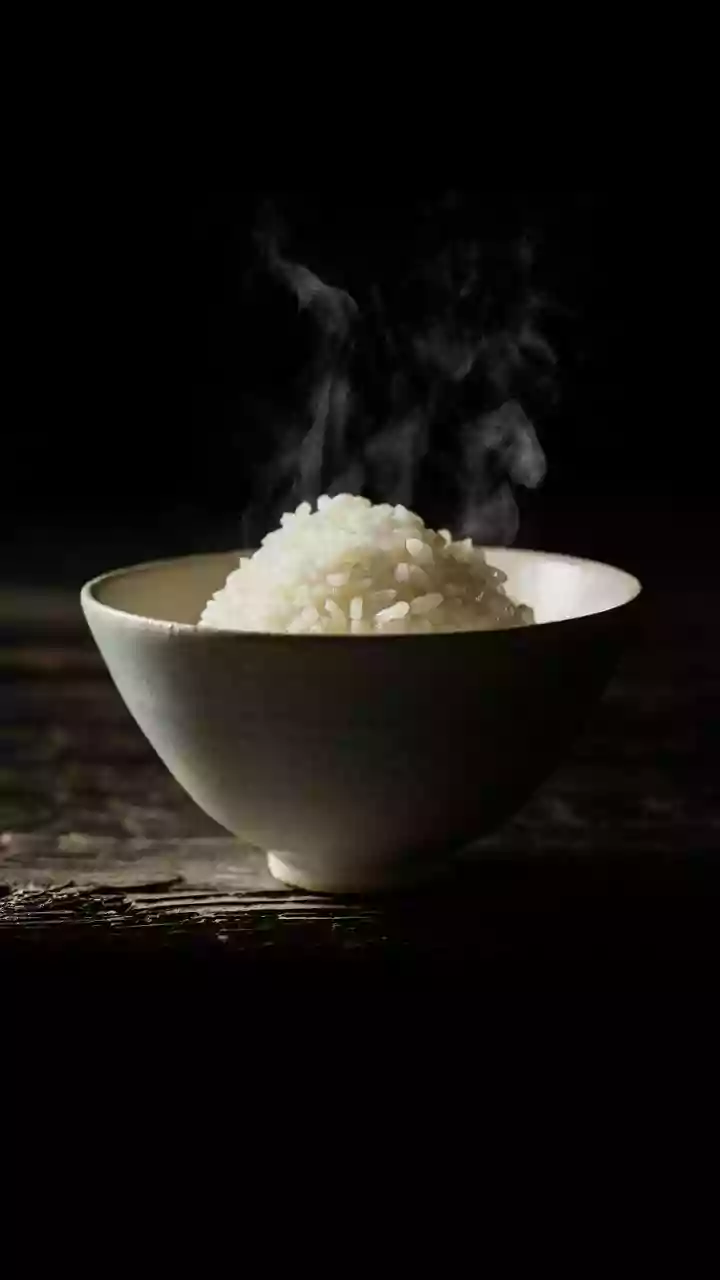
The claims around drinking fermented rice water centre on its potential as a probiotic and postbiotic food. The fermentation process encourages the growth of beneficial bacteria, such as Lactobacillus, which can support a healthy gut microbiome. In many Indian households, fermented rice gruel is a traditional remedy for an upset stomach or a light, easily digestible meal. Research has shown that fermenting rice can increase its nutritional value, boosting levels of B vitamins and minerals like iron and potassium. The process also creates postbiotics—beneficial compounds like butyrate that can reduce inflammation and strengthen the gut lining. For many, it's a gentle way to support digestion and cool the body.
What to Know Before You Drink
While traditionally consumed safely for generations, there are caveats to consider with the modern trend. The safety of homemade fermented rice water depends heavily on proper preparation; improper fermentation can risk contamination with harmful bacteria. Furthermore, while it can be soothing for some, it may cause bloating or discomfort for individuals with conditions like Small Intestinal Bacterial Overgrowth (SIBO) or histamine intolerance. Health experts advise that fermented rice water should be seen as a supportive wellness food, not a medical treatment or a replacement for a balanced diet. If you're curious to try it, it's best to start with a small amount and see how your body responds.