






The Rise of the Digital Impostor
Deepfakes are no longer science fiction; they are a clear and present threat in our digital lives. The term, a combination of “deep learning” and “fake,” refers to synthetic media—video, audio, or images—created by artificial intelligence. AI systems
analyse vast amounts of existing data, like photos and voice recordings, to create new, fabricated content that can show people doing or saying things they never did. This technology is used in various scams, from fake celebrity endorsements for dubious products to impersonating company executives to authorise fraudulent money transfers. The most personal and distressing scams often involve voice cloning, where a fraudster uses a synthetic copy of a loved one’s voice to stage a fake emergency and demand money. As the technology becomes more accessible, the risk of encountering a deepfake in your daily life grows, making awareness the first line of defense.
How to Spot a Deepfake
While deepfakes are becoming more sophisticated, many still have tell-tale signs if you know what to look for. Your own senses, combined with a healthy dose of scepticism, are powerful tools. In videos, watch for unnatural facial expressions or movements that seem robotic. Blinking can be a giveaway; either the person blinks too much or not at all. Look for poor lip-syncing where the words don't quite match the mouth movements. Other visual glitches can include a weird skin tone, strange lighting, or blurry or distorted edges around the person’s hair or face. For audio fakes, listen for a monotone voice, strange pauses, or a lack of background noise that would be normal for the situation. The key is to notice things that feel 'off' or inconsistent.
Build Your Digital Defenses
Protecting yourself from deepfakes is about being proactive rather than reactive. The first step is to manage your digital footprint. Scammers scrape social media for photos and videos to train their AI models, so limiting what you share publicly is a smart move. Adjust your privacy settings on social media platforms to ensure only trusted friends and family can see your content. Beyond social media, practice good cyber hygiene. Use strong, unique passwords for your accounts and enable multi-factor authentication whenever possible. This adds a crucial layer of security that can stop a scammer even if they have some of your information. Perhaps the most effective defense is a simple, low-tech one: establish a “safe word” or secret question with your close family. If you get an urgent, panicked call asking for money, you can ask for the code word to instantly verify if the person is real.
What to Do If You Suspect a Deepfake
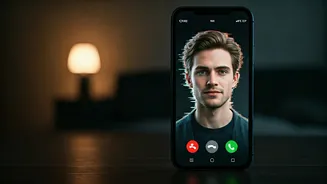
If you receive a suspicious message or call, your immediate response is critical. First, do not act on any urgent requests for money or personal information. The goal of these scams is to create a sense of panic to override your critical thinking. Your best move is to stop, hang up, and verify. Contact the person who supposedly reached out to you through a different, trusted communication channel, like a phone number you have saved in your contacts. Do not use the number that called you. If you encounter a deepfake online, report the content to the platform where you saw it. This helps get the malicious content taken down. If you believe you have been the victim of a scam that resulted in financial loss, you should report it to your bank and local law enforcement or national cybercrime portals. Documenting everything, including screenshots and any URLs, can be helpful for investigations.