


Understanding the Post-Monsoon Risk
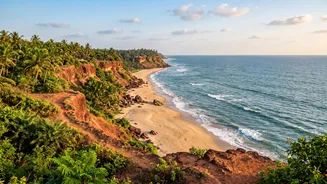
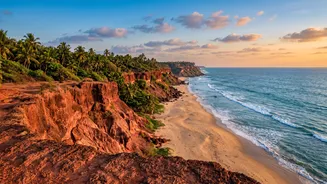
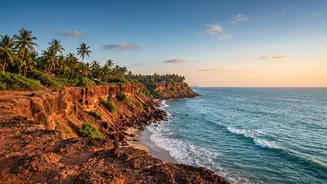
The iconic red laterite cliffs of Varkala are a geological marvel, but also its point of vulnerability. This unique formation consists of a hard laterite top layer resting on softer sandstone and clay. After heavy monsoon rains, water seeps through cracks,
saturating the softer layers below and increasing the risk of erosion and landslides. Reports from previous years show that heavy rains have triggered erosion and small collapses along the cliff, particularly near the main pathway and helipad area. This isn't just a natural process; unregulated construction and poor drainage from clifftop establishments can worsen the instability. While authorities often place barricades and warning signs in high-risk zones, being aware of the inherent fragility of the cliffs is the first step to a safe stay.
Choosing Your Accommodation Wisely
When booking your stay, safety should trump the view. While many guesthouses and hotels are perched right on the cliff for that perfect sunset photo, it’s crucial to be discerning. Before you book, ask the host direct questions about the property's distance from the cliff edge and if any structural assessments have been done recently. Look for properties set back a bit from the immediate edge. Check recent reviews for any mentions of safety concerns, especially from guests who stayed during or just after the monsoon. The North Cliff is the bustling hub, but the quieter South Cliff might offer more stable ground in certain areas. Avoid ground-floor rooms in areas with visible water-logging and inquire about the building's drainage systems, as improper wastewater disposal contributes to cliff erosion.
The Digital Nomad's Holy Trinity: Power, Wi-Fi, and Backups
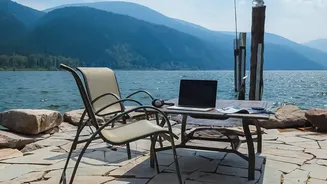
A remote professional’s productivity depends on reliable infrastructure, which can be a challenge in Varkala, especially post-monsoon. Power cuts are not uncommon. While many establishments have generators, it's wise to carry your own backup. A fully charged power bank for your phone and a portable power station for your laptop can be lifesavers during an outage. Similarly, while most cafes and guesthouses offer Wi-Fi, the speed and reliability can fluctuate. Your essential backup is a local SIM card (Jio or Airtel are often recommended) with a generous data plan. This allows you to create a personal hotspot when the primary Wi-Fi fails. Before starting an important video call, it's always a good idea to check both your Wi-Fi and mobile data speeds to see which is more stable.
Navigating Your Surroundings Safely
Safety extends beyond your accommodation. The pathways along the cliff and the steps leading down to Papanasam beach can become slippery and treacherous after rain. Always wear footwear with a good grip. Heed any warning signs or barricades put up by local authorities; they are there for a reason. Some pathways might be temporarily closed due to erosion. Swimming can also be risky as currents are strong, particularly after the monsoon when the sea is rougher. Pay attention to the lifeguards on duty at the main beach. Finally, be mindful of your health. The post-monsoon period can see an increase in mosquitoes, so carrying a good insect repellent is advisable.
Finding a Productive Work-Life Rhythm
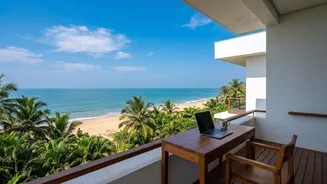
The beauty of a workation in Varkala is balancing your job with the serene environment. Structure your day to make the most of it. The mornings are often cooler and quieter, perfect for focused work. The intense midday sun makes it a good time to stay indoors and be productive. The evenings are for safely enjoying what the town has to offer. Instead of walking precariously close to the cliff edge for a sunset view, find a stable, well-regarded café set a safe distance back. Exploring beyond the main cliff is also rewarding. The nearby backwaters of Kappil offer a different, calmer experience for your downtime. By planning your work and leisure around the local conditions, you can enjoy a fulfilling and secure stay.