

The Great European Eclipse
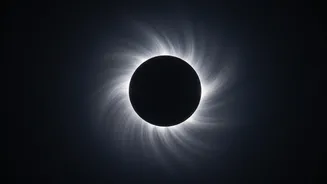
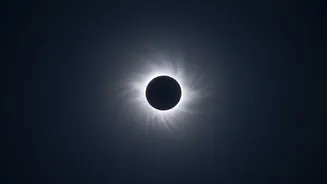
This total solar eclipse is a major astronomical event, primarily visible over parts of Europe. The narrow path where the Moon will completely block the Sun, known as the path of totality, will travel across Greenland, western Iceland, and northern Spain.
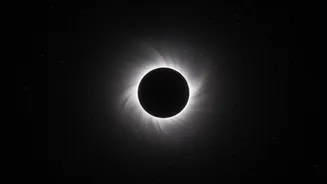
Cities like Reykjavik, Bilbao, and Valencia will experience the dramatic, fleeting moments of totality, where daylight turns to twilight and the Sun's magnificent outer atmosphere, the corona, becomes visible. For mainland Europe, this is the first total solar eclipse since 1999, making it a particularly special occasion for sky-watchers in the region. The maximum duration of totality will be a brief 2 minutes and 18 seconds, occurring off the coast of Iceland.
Why You Can't See It From India
Unfortunately, the celestial geometry of this event means it will not be visible from India in any phase—not even partially. The eclipse path is thousands of kilometres away, and by the time the event begins, it will be late evening in India. The Sun will have already set across the subcontinent long before the Moon's shadow begins its journey across the Atlantic. Therefore, no sutak kaal or other traditional observances associated with visible eclipses are applicable in India for this event.
Your Virtual Front-Row Seat: How to Watch
Technology ensures that no one has to miss this cosmic show. Both NASA and the European Space Agency (ESA) will be hosting free live streams, providing a front-row seat to viewers in India and across the globe. These broadcasts are the best way to experience the eclipse. NASA will offer multiple camera feeds from different locations along the path of totality, complete with expert commentary explaining the science as it happens. You can typically find these streams on NASA's official YouTube channel and the NASA TV website. Similarly, the ESA will broadcast its own live coverage from an observatory in Spain.
Timings for Indian Viewers
For viewers in India, the eclipse will take place late at night on August 12 and cross over into the early hours of August 13. Here is a breakdown of the key moments in Indian Standard Time (IST): The partial eclipse begins at 9:04 PM IST on August 12. The first moments of the total eclipse (anywhere in the world) will begin at 10:28 PM IST. The peak of the eclipse, when the Sun is most obscured, will occur around 11:16 PM IST on August 12. The entire event concludes when the final partial eclipse ends at 1:28 AM IST on August 13. Be sure to tune into the live streams during this window to catch the action.
What to Expect from the Live Stream
Watching a NASA or ESA broadcast is far more than just pointing a camera at the sky. These live streams are rich, educational experiences. Expect to see multiple high-definition telescope views, including specialised feeds that show the Sun in different wavelengths of light, revealing features like solar prominences. Expert commentators, including scientists and astronomers, will guide you through every stage of the eclipse, from the first "bite" the Moon takes out of the Sun to the stunning reveal of the corona during totality. They will also likely answer questions from the public submitted via social media, making it an interactive experience. NASA is also deploying a high-altitude research aircraft to chase the shadow, providing unique views and conducting science from above the clouds.
A Celestial Double Feature
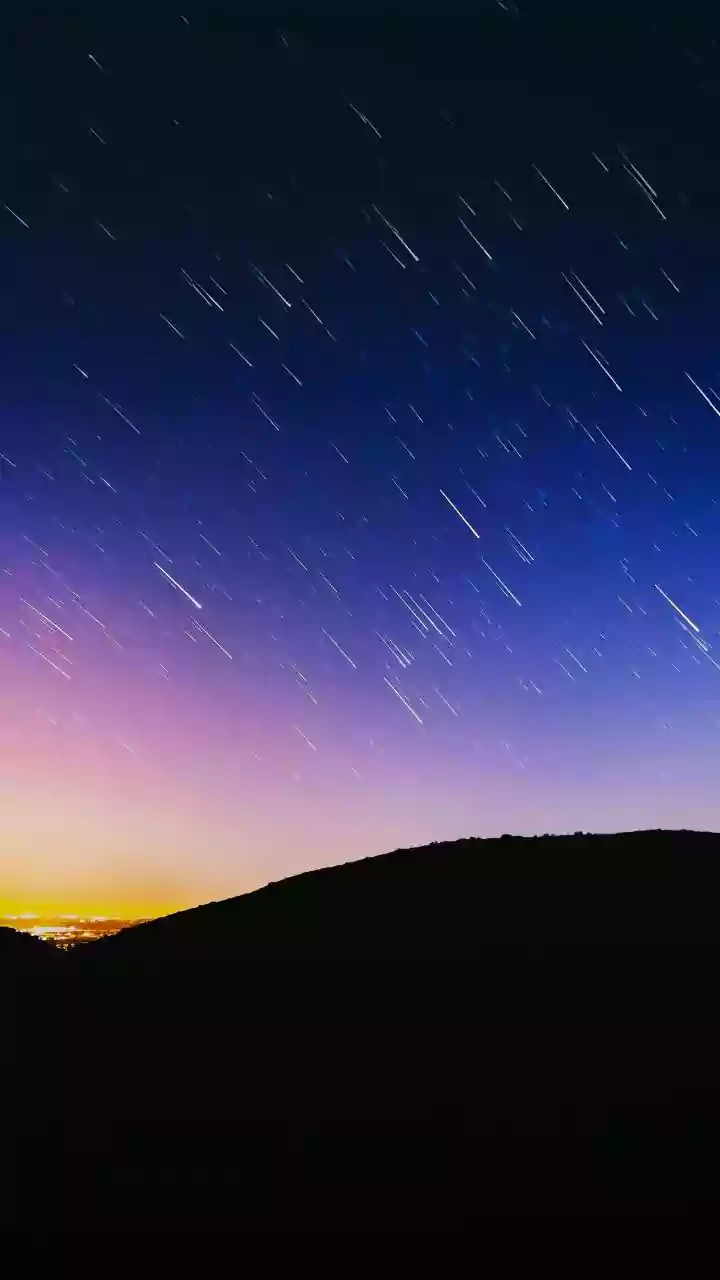
As an added bonus for sky-gazers, the eclipse on August 12 coincides with the peak of the annual Perseid meteor shower. While the eclipse itself isn't visible from India, the meteor shower will be. After you've enjoyed the eclipse online, you can step outside in the post-midnight hours of August 12-13. With the eclipse timing meaning it's a New Moon, the sky will be dark and ideal for spotting the "shooting stars" of the Perseids.