








The Numbers So Far
The start to Goa's 2026 monsoon was sluggish. June ended with a significant rainfall deficit of around 34%, one of the weakest starts in recent years. Though some heavy showers towards the end of June and the first few days of July helped, the momentum
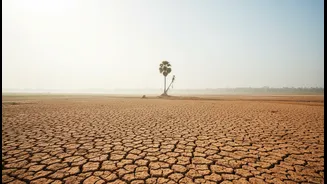
didn't last. As of early July, the monsoon has weakened again, and the seasonal deficit has widened to over 26%. The India Meteorological Department (IMD) noted that while July is typically the peak of the monsoon, the rainfall has been light to moderate, with temperatures rising nearly three degrees above normal due to sunny conditions. This has left many wondering if the season is a bust.
A 'Break' vs. A 'Deficit'
Meteorologists are quick to draw a distinction between a 'break' in the monsoon and a season-long 'deficit'. A break is a temporary period of weak rainfall within the four-month season. These lulls are a normal feature of the monsoon cycle. They can be caused by various atmospheric factors, such as the shifting of the monsoon trough or the absence of low-pressure systems that drive rainfall. The current situation in Goa is being described as a weak phase or a 'dry mode', with the systems that bring heavy rain being less active. A true deficit, however, is determined by the cumulative rainfall over the entire season, from June to September. A few weeks of weak rain do not guarantee that the final tally will be below normal.
The Bigger Picture: A Season in Progress
The monsoon is a marathon, not a sprint. Historical data shows that Goa's rainfall patterns can shift dramatically. A large deficit in June can be, and often has been, narrowed by heavy rainfall in July and August. For example, in June 2023, a 71% deficit was reduced to 30% by the end of the month thanks to a late surge. Meteorologists had predicted that after an active first ten days of July, the monsoon might enter a weaker phase for about a week before potentially picking up again. This highlights the intra-seasonal variability of the monsoon. While the current deficit is a cause for watchfulness, it's too early to declare a drought or a failed monsoon. The performance of the monsoon in the second half of July and August will be crucial in determining the final outcome for the season.
Impact on the Ground
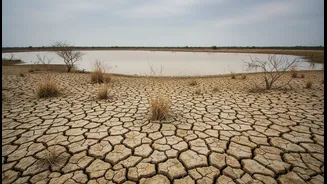
Despite the statistical deficit, the situation on the ground has not yet reached a crisis point. Heavy spells in late June and early July helped raise the water levels in Goa's dams and reservoirs. This has brought relief to farmers and has, for now, secured the state's drinking water supply. However, the return of dry, humid weather is a concern. A prolonged weak spell can impact agriculture, which is heavily dependent on consistent rain, and put pressure on water resources later in the year if the deficit is not compensated. Authorities continue to monitor the situation, as a sustained lack of rain could reverse the gains made earlier. The current conditions serve as a reminder of the state's vulnerability to the monsoon's whims, especially with pre-season forecasts hinting at the potential for a weaker monsoon due to developing El Niño conditions.