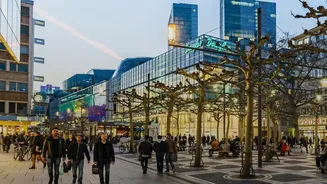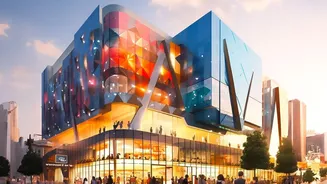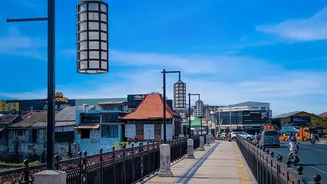







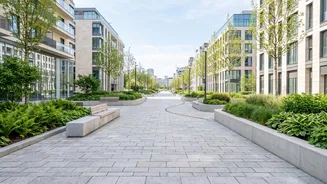
Imagine your favourite shopping street. Is it choked with traffic and noise, or is it a place where you can stroll, browse, and linger? The design of our public spaces profoundly shapes not just our mood, but our spending habits.
The Anatomy of a Walkable Street
So, what exactly makes
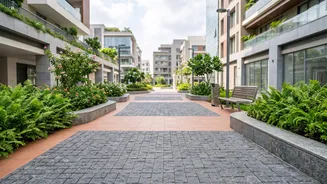
a street 'pedestrian-friendly'? It’s more than just the absence of cars. True walkability is a design philosophy that prioritizes people. Key ingredients include wide, unobstructed sidewalks, ample public seating, and green elements like trees and planters that provide shade and a sense of calm. Traffic-calming measures, such as narrower vehicle lanes and frequent, safe crossings, are crucial for making people feel secure. This combination of safety, comfort, and beauty transforms a simple street into a 'place,' encouraging people to slow down, interact, and explore. It’s a shift from designing cities as conduits for vehicles to creating environments for human connection and experience.
Copenhagen's Strøget: A Global Blueprint
One of the earliest and most famous examples of this philosophy in action is Strøget in Copenhagen, Denmark. In 1962, against fierce opposition from business owners who feared losing customers, the city pedestrianized this central commercial artery as an experiment. The results were transformative. Instead of declining, business flourished as people flocked to the newly peaceful and attractive environment. The success of Strøget, one of Europe's longest pedestrian shopping streets, proved that prioritizing people could lead to significant economic benefits. Today, it's a bustling hub of high-end brands, local shops, and street performers, serving as a global inspiration for cities looking to revitalize their urban cores.
The Psychology of Shopping on Foot
Pedestrian-friendly design has a powerful psychological impact on shoppers. When people aren't stressed by traffic, noise, and the search for parking, their entire mindset shifts. Shopping becomes less of a goal-oriented task and more of an enjoyable, leisurely experience. People tend to 'dwell' longer, increasing the chances of random encounters with stores they might otherwise have missed. This slower pace fosters discovery and impulse buys. Studies have shown that while pedestrians and cyclists may spend less per individual trip, they visit more frequently and, over time, can out-consume drivers. Research in several Spanish cities found that shops on pedestrianized streets consistently generated higher revenues than those on streets open to traffic. Similarly, after New York City implemented bike paths and wider sidewalks on some avenues, local retail sales increased by up to 49%, far outpacing the borough-wide average.
Beyond the Bottom Line
The benefits of walkable streets extend far beyond retail sales figures. These spaces become vibrant community hubs that foster social interaction. When people feel safe and comfortable, they are more likely to meet, talk, and build community connections. This increased foot traffic supports a diverse mix of small, independent businesses that might struggle to compete in car-dependent shopping centres. Furthermore, these designs have significant environmental and public health advantages. By encouraging walking and cycling, they help reduce air pollution and carbon emissions. The shift away from carcentric infrastructure also leads to increased physical activity and safer streets for everyone, from children to the elderly.