


The Science of a 'Complete' Protein
Before we dive into why lentils and rice are such a dynamic duo, let's talk about protein itself. Proteins are made of building blocks called amino acids. There are 20 different amino acids, and nine of them are considered 'essential'. This means our
bodies can't produce them on their own, so we must get them from the food we eat. A 'complete protein' is a food source that contains all nine of these essential amino acids in roughly the correct proportions for our body to effectively build and repair tissues, including muscle. Animal products like meat, eggs, and dairy are famous for being complete proteins, which has historically led some to believe that plant-based diets are insufficient for serious muscle growth. However, that’s a misconception.
The Perfect Pair: How Lentils and Rice Complement Each Other
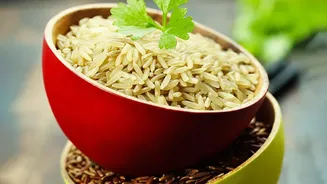
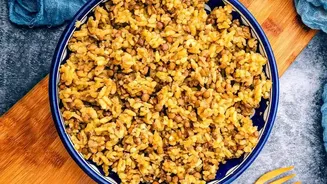
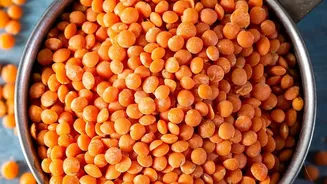
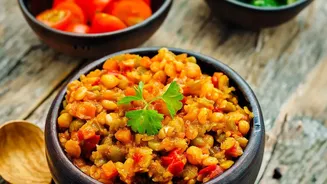
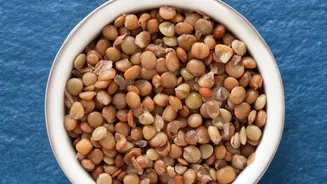
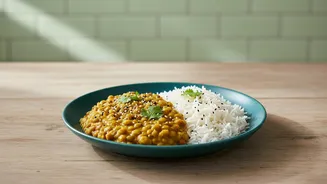
This is where the concept of protein synergy, or 'protein combining', comes into play. Most plant-based foods are 'incomplete' proteins, meaning they are low in one or more of the essential amino acids. Lentils (dal), for example, are packed with protein but are typically low in two sulfur-containing amino acids: methionine and cysteine. On the other hand, rice is low in the essential amino acid lysine, which lentils have in abundance. When you eat them together, their amino acid profiles complement each other perfectly. The lysine from the lentils fills the gap in the rice, and the methionine and cysteine from the rice complete the profile of the lentils. The result is a meal that provides all nine essential amino acids, making it a complete protein source capable of supporting your body's needs.
From Complete Protein to Building Muscle
So, how does eating a complete protein like dal-rice translate to muscle growth? When you perform resistance exercise, you create tiny micro-tears in your muscle fibers. Your body's repair process involves using amino acids from the protein you eat to rebuild these fibers stronger and bigger. This process is called muscle protein synthesis. To do this efficiently, your body needs a sufficient supply of all nine essential amino acids. If even one is missing, the process can be limited. By providing a full deck of essential amino acids, the combination of lentils and rice gives your body the necessary raw materials to effectively repair and build lean muscle mass following a workout. This makes it an incredibly effective and affordable meal for athletes and fitness enthusiasts on a vegetarian or vegan diet.
A Modern View on Protein Combining
For years, it was thought that you needed to eat complementary proteins, like lentils and rice, in the very same meal to get the benefit. However, modern nutritional science has updated this view. Our bodies are quite resourceful and maintain a temporary reservoir of amino acids. This means that as long as you consume a variety of plant protein sources throughout the day, your body can pull the different amino acids it needs to form complete proteins when required. So, if you have lentils for lunch and a side of brown rice with your dinner, you're still getting the benefits. That said, combining them in one meal remains a simple and convenient way to ensure you're covering all your bases, especially on days with heavy training.
Beyond Lentils and Rice: Other Powerful Plant Pairs
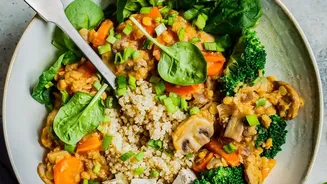
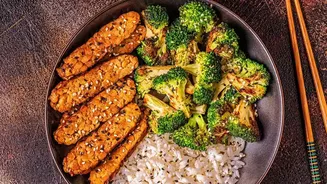
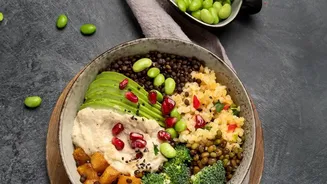
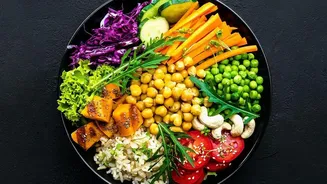
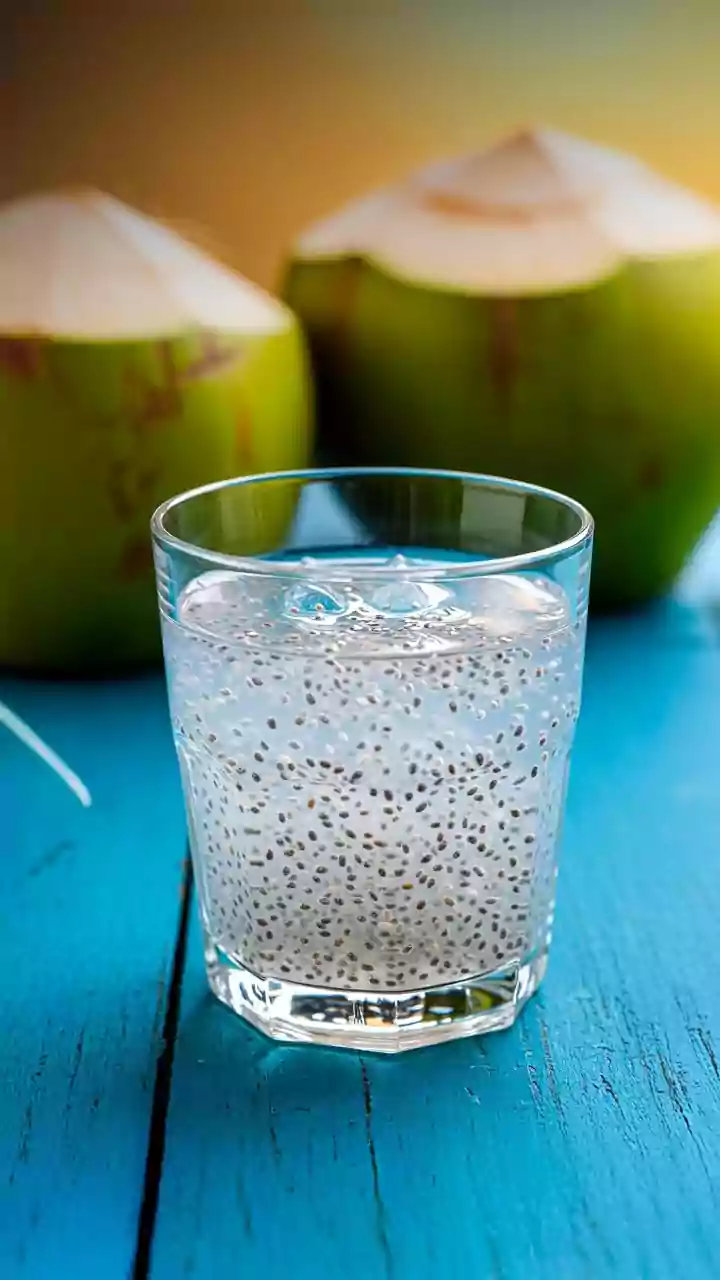
The principle of combining legumes with grains is a powerful nutritional strategy that extends beyond just lentils and rice. The same logic applies to many other delicious and muscle-supporting combinations that you can easily incorporate into your diet. Think about rajma-chawal (kidney beans and rice), hummus (chickpeas) with whole-wheat pita bread, or even a simple peanut butter sandwich on whole-grain toast. Each of these pairings combines a legume with a grain to create a complete amino acid profile. For those looking for single-source complete proteins from the plant kingdom, options like quinoa, soy products (tofu, tempeh), buckwheat, and chia seeds are also excellent choices.