



What’s Driving This Green Shift?
A growing number of Indian travellers are looking for more than just a pretty picture for their social media. There’s a rising desire for experiences that are both personally enriching and environmentally responsible. This shift in mindset has put the spotlight
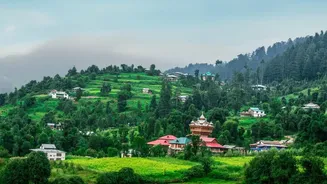
on Northeast India, a region whose natural landscapes and community-centric lifestyles are perfectly aligned with the principles of eco-conscious travel. Unlike heavily commercialised destinations, much of the Northeast offers landscapes that remain largely intact. Tourism here has often developed more gradually, allowing for a better balance between visitor activities and the preservation of local ecosystems and traditions. States like Mizoram, which boasts over 84% forest cover, are emerging as models for low-impact, community-driven tourism that respects both the environment and local culture.
It’s All About Community
Sustainable travel in the Northeast goes far beyond just avoiding plastic. It is deeply rooted in community-based tourism, an approach where local communities have ownership and agency over the travel experiences offered in their areas. This ensures that the economic benefits of tourism flow directly back to the people who live there, supporting local livelihoods and preserving cultural heritage. Instead of impersonal hotels, travellers might stay in a family-run homestay in Sikkim or a community-managed eco-lodge in Meghalaya. This model fosters genuine cultural exchange, where visitors can learn about indigenous traditions, crafts, and ways of life directly from the source in a respectful and authentic way.
Where Nature and Culture Merge
The Northeast is a living museum of biocultural diversity. Here, sustainability isn't a modern buzzword; it's a way of life that has been practised for generations. Consider the living root bridges of Meghalaya, a perfect example of traditional ecological wisdom, which are now a focal point for conservation and responsible tourism. In Assam, Kaziranga National Park offers a case study in balancing wildlife conservation, particularly for the one-horned rhinoceros, with responsible visitor management, ensuring that tourism funds preservation efforts. Festivals like the Hornbill Festival in Nagaland and the Ziro Festival of Music in Arunachal Pradesh provide an economic boost and a platform for cultural pride, though there is a growing focus on managing their environmental impact.
How to Be a Conscious Traveller
Experiencing this trend responsibly requires a mindful approach. The key is to make choices that support the local ecosystem and community. This means opting for homestays and community-run guesthouses over large hotel chains. Hiring local guides provides you with invaluable insights while ensuring your money supports the local economy. It’s also crucial to respect local customs and traditions, which are often deeply intertwined with nature. Simple acts like managing your own waste, conserving water, and buying locally made handicrafts instead of mass-produced souvenirs can make a significant difference. Many state governments and local organisations are actively promoting these practices, with policies and initiatives aimed at making tourism a force for good.