


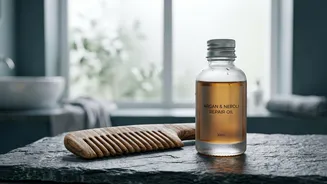

The moment winter arrives, so does the dreaded hair frizz and static. It’s not your imagination; it's a scientific reaction to the environment. Cold, dry air systematically strips moisture from your hair, and the results are anything but smooth.
Understanding Your Hair's Anatomy
To understand
why winter is so harsh on your hair, you first need to know a little about its structure. Each strand of hair has an outer layer called the cuticle. Think of it as a protective shield made of tiny, overlapping scales, like the tiles on a roof. When these scales lie flat and sealed, your hair looks smooth, shiny, and healthy. The cuticle's main job is to protect the inner core of the hair shaft and regulate how much moisture can get in and out. When this layer is compromised, your hair’s texture and health suffer.
The Winter Air Takedown
Winter air, both outdoors and indoors, is the primary culprit behind seasonal frizz. Cold air simply cannot hold as much moisture as warm air, which is why humidity levels plummet. This creates a very dry environment. Your hair is hygroscopic, meaning it naturally tries to balance its moisture levels with the surrounding air. When the air is excessively dry, it begins to pull moisture directly out of your hair strands. This process is accelerated by indoor heating, which further strips humidity from the air, creating a double-whammy of dehydration for your hair and scalp.
How Dehydration Causes Frizz
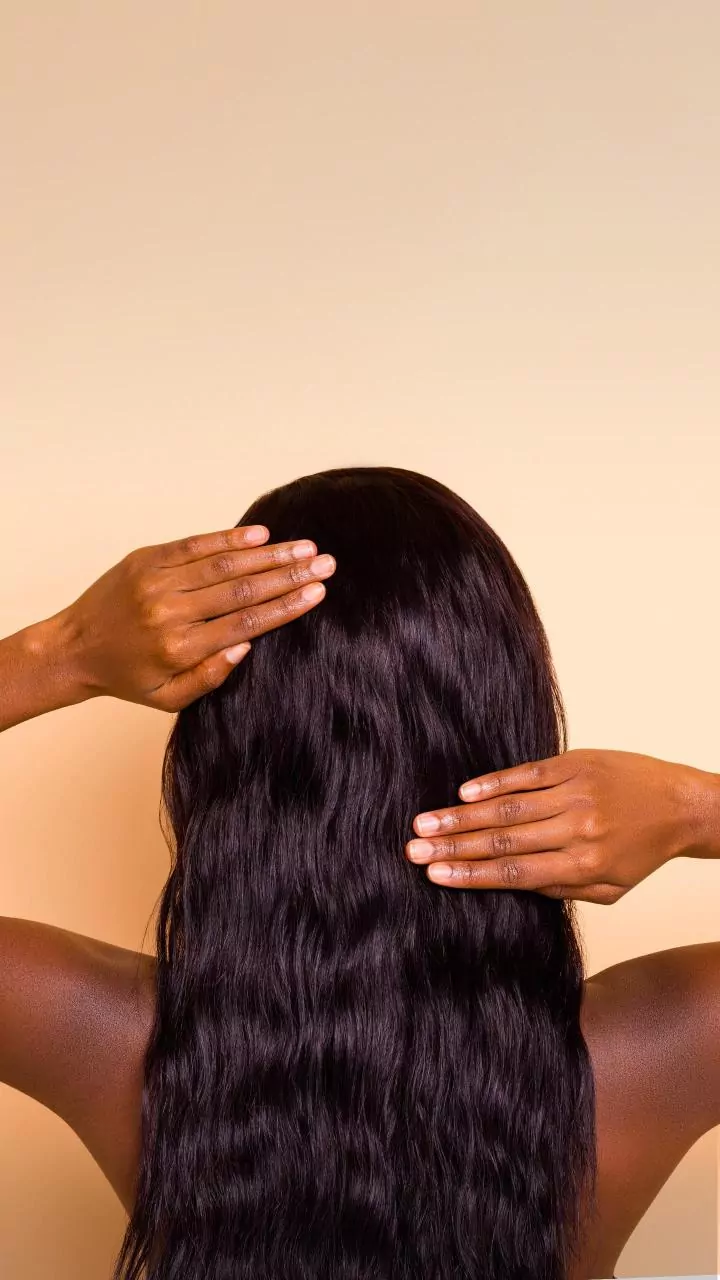
When your hair loses moisture to the dry air, the cuticles on the outer layer begin to lift and roughen. Instead of lying flat and smooth, they stand up in a desperate attempt to absorb any available moisture from the environment. This lifting action creates a rough, uneven surface on each hair strand. As a result, hair no longer reflects light smoothly, leading to a dull appearance. More importantly, these raised cuticles don't align neatly, causing individual strands to repel each other, creating that puffy, flyaway texture we call frizz. This effect is often compounded by static electricity, another common issue in dry winter air.
Your First Defence: Deep Hydration
Since the root cause of winter frizz is a lack of moisture, the most effective solution is to replenish it. Start by switching to a more hydrating shampoo and conditioner. Look for products formulated to moisturise and avoid harsh sulfates that can strip your hair of its natural oils. Integrating a weekly deep conditioning mask into your routine is also crucial. These treatments are designed to penetrate the hair shaft and provide an intense dose of moisture, helping to keep the hair fibre supple and less prone to drying out. A final rinse with lukewarm or cool water can also help seal the cuticles.
Locking It In: The Power of Oils and Serums
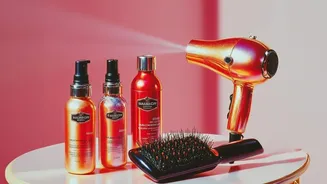
Hydrating your hair is only half the battle; you also need to seal that moisture in. This is where hair oils, serums, and leavein conditioners become essential. After washing and conditioning, applying a leavein treatment helps provide a continuous layer of hydration. Following up with a few drops of a nourishing oil—such as argan or jojoba oil—on the ends of your hair creates a protective barrier. This barrier smooths the cuticle, prevents moisture from escaping, and reduces friction that can lead to static and breakage.
Lifestyle Tweaks for Smoother Hair
Beyond products, a few simple habit changes can make a big difference. Running a humidifier indoors can add muchneeded moisture back into the air, benefiting both your hair and skin. When you go outside, protect your hair from the harsh, cold wind by wearing a hat or scarf. Opt for accessories lined with silk or satin, as materials like wool and cotton can create friction and absorb moisture from your hair. Finally, try to reduce heat styling when possible, as excessive heat can further dehydrate your strands.