
Qaqortoq: The Artistic Hub of the South
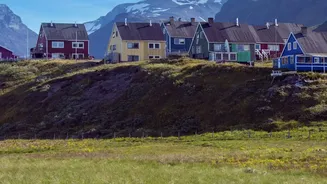
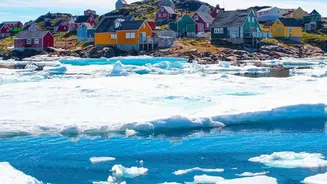
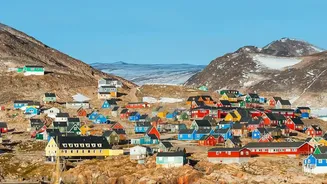
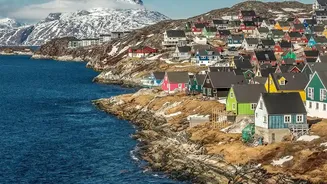
As the largest town in South Greenland, Qaqortoq feels more like a vibrant village, with colourful Nordic-style houses spilling down a hillside to a sheltered bay. With a population of just over 3,000, it’s a walkable, welcoming place that serves as a hub
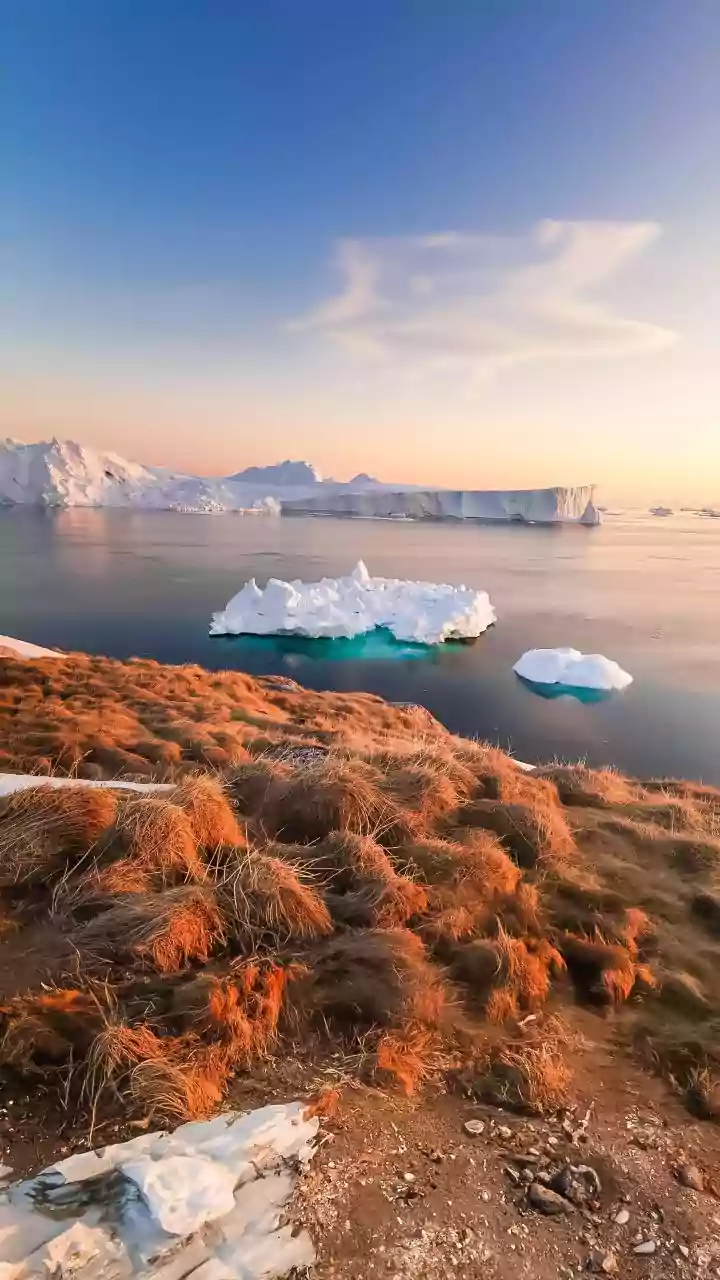
for art and culture. The town is famous for its 'Stone and Man' project, an open-air art gallery featuring over 40 sculptures carved into the granite bedrock by local and Nordic artists. Beyond the art, Qaqortoq offers a deep dive into Greenlandic history at its local museum, housed in one of the town's oldest buildings. For a true sense of immersion, visitors can hike the hills for stunning fjord views, kayak among icebergs, or take a boat trip to the nearby Uunartoq hot springs, where you can soak in naturally heated waters while watching icebergs drift by. Summer is the best time to visit, when the tundra is alive with wildflowers and the midnight sun provides endless daylight for exploration.
Tasiilaq: Gateway to East Greenland's Wilds
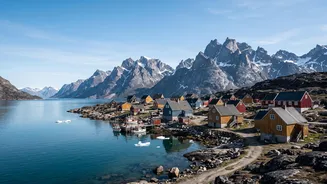
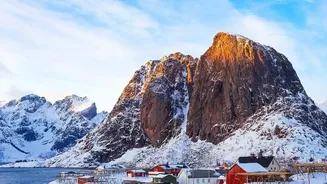
On the rugged eastern coast, Tasiilaq is the largest town in its region but maintains the soul of a remote outpost. Surrounded by jagged mountains and deep fjords often choked with ice until late summer, it’s a dream for adventurous travellers. Life here is dictated by nature, creating a powerful sense of place that’s hard to find elsewhere. Tasiilaq is a paradise for hikers, with trails like the 'Flower Valley' offering stunning landscapes without the crowds of more famous treks. In winter, the town becomes a centre for dog sledding and a prime location for viewing the Northern Lights. The culture is distinctly East Greenlandic, known for its unique handicrafts and strong connection to Inuit traditions. A visit to the local workshop reveals artists carving intricate figures, and the town museum tells the story of a culture that was isolated from the European world until the late 19th century.
Ittoqqortoormiit: Remote and Raw Beauty
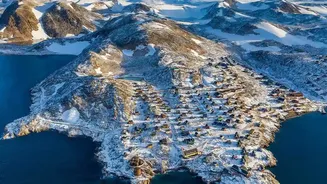
For the truly adventurous, Ittoqqortoormiit is one of the most isolated settlements on Earth. Located on the eastern coast at the mouth of the world's largest fjord system, Scoresby Sound, this village of around 300 people offers an unparalleled experience of raw, untouched wilderness. Its isolation has preserved a traditional way of life deeply rooted in hunting and fishing. Reaching it requires a flight from Iceland followed by a helicopter or boat transfer, making the journey part of the adventure. Once there, visitors can explore the colourful village, witness the local hunting culture, and take boat tours into the immense fjord system to spot musk oxen, seals, and even polar bears. In winter, dog sledding is the primary mode of transport and a vital part of life, offering an authentic way to experience the vast, frozen landscapes. This is not a place of tourist gimmicks; it is a community living in harmony with one of the planet's most extreme environments.
Kulusuk: A Cultural Stepping Stone
Often the first point of entry for visitors to East Greenland, Kulusuk is a small, traditional hunting and fishing settlement of about 200 residents on a small island. Despite its airport—a former U.S. airbase—life moves at a different pace here. Colourful houses dot the landscape, sled dogs are a common sight, and the local culture is a blend of ancient Inuit traditions and modern life. Visitors can witness demonstrations of drum dancing, an ancient Inuit art form, or visit the church with its unique sealskin adornments. Hiking is a popular activity, offering breathtaking views of the surrounding mountains and ice-filled fjords. Though small, Kulusuk offers a powerful and immediate immersion into the realities of life in the Arctic, making it a perfect, quieter introduction to the wonders of Greenland before venturing further.