






Understand the Philosophy First
Before you start shopping, it’s crucial to understand what Japandi truly is. It’s not just a look; it’s a lifestyle philosophy. The name itself is a portmanteau of ‘Japanese’ and ‘Scandi.’ From Japan, it borrows the concept of ‘wabi-sabi’—finding beauty
in imperfection and simplicity. From Scandinavia, it takes ‘hygge’—a sense of coziness, contentment, and well-being. Together, they create a design style that is minimalist but warm, functional yet elegant. It’s about creating an uncluttered environment that promotes calm and intentional living. Think of it as the perfect marriage of sleek, nature-inspired Japanese design and the rustic, comfort-focused aesthetic of the Nordic countries. The goal is a home that feels both peaceful and personal, free from unnecessary chaos.
Commit to a Calming Color Palette
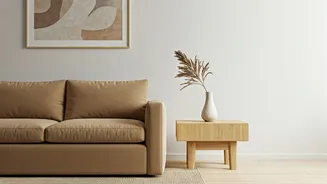
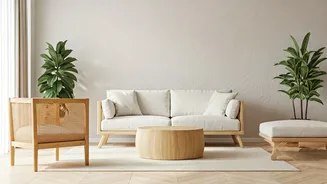
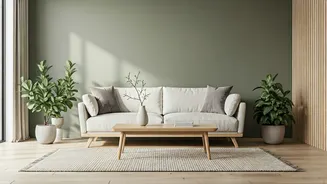
The foundation of any Japandi space is its color scheme. Forget loud, saturated colors. Instead, embrace a muted, neutral palette that echoes the natural world. Start with a base of warm whites, soft beiges, taupe, or cool stone grays. These colors create a bright, airy feel and serve as a clean canvas. To add depth and prevent the space from feeling sterile, introduce subtle accent colors. Think of the shades you’d find on a walk in the woods: earthy greens, muted blues, soft terracotta, or even a deep charcoal for contrast. The key is to keep the overall feeling subdued and harmonious. Use these accent colors sparingly on a single wall, in textiles like pillows and throws, or through a piece of art.
Prioritize Natural Materials and Textures
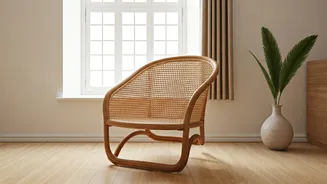
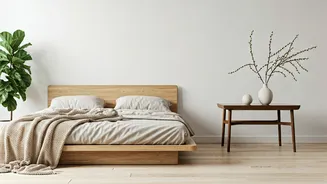
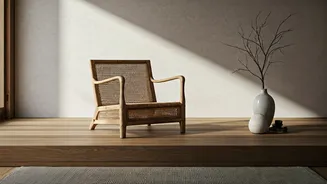
Japandi design is deeply connected to nature. The best way to bring this feeling indoors is through your choice of materials. Light-colored woods are a cornerstone of the look, particularly oak, ash, maple, and bamboo. Use them in your flooring, furniture, and even wall paneling. Beyond wood, incorporate other natural elements. Rattan, jute, and wicker add texture and warmth in the form of chairs, baskets, and light fixtures. For textiles, choose organic fabrics like linen, cotton, and wool for curtains, upholstery, and blankets. These materials not only look beautiful but also feel good to the touch, enhancing the cozy, hygge aspect of the design. The interplay of these different textures—the smooth grain of wood against the rough weave of a jute rug—is what gives a Japandi room its rich, tactile quality.
Choose Low-Profile, Functional Furniture
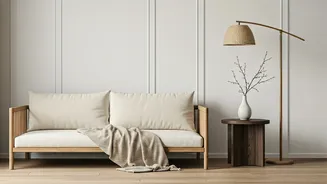
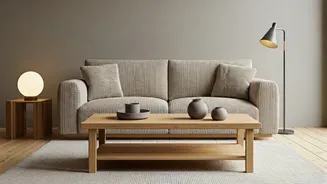
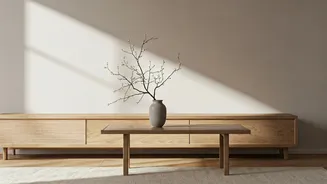
In a Japandi living room, every piece of furniture should have a purpose. The style favors clean lines, simple forms, and impeccable craftsmanship. Look for pieces that are both beautiful and highly functional. Sofas and chairs often have low profiles, sitting closer to the ground, which is a nod to the Japanese tradition of floor-based living. Choose furniture with minimal ornamentation, letting the quality of the material and the simplicity of the design speak for itself. A simple wooden coffee table, a sleek credenza with cane doors, or a structured but comfortable sofa are all perfect examples. Don’t be afraid to mix and match Scandinavian and Japanese-inspired pieces. A classic Danish armchair can sit beautifully next to a simple Japanese-style bench. The unifying theme is quality over quantity.
Declutter and Embrace Negative Space
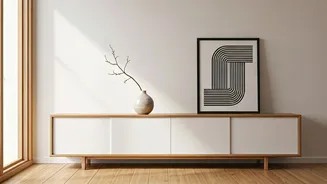
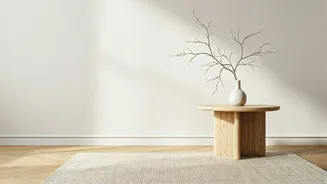
Perhaps the most important—and challenging—step is to declutter. Japandi style is fundamentally minimalist. This doesn’t mean your home has to be empty, but it does mean that everything in it should be intentional. Take a page from the wabi-sabi philosophy and embrace ‘negative space’—the empty areas around objects. This visual breathing room allows the beautiful items you do have to truly shine. Get rid of anything that doesn’t serve a purpose or bring you joy. Invest in smart storage solutions, like cabinets with clean-faced doors or woven baskets, to hide away everyday necessities. The goal is to create a visual sense of calm, where the eye isn’t overwhelmed by STUFF. A tidy space leads to a tidy mind, which is the ultimate Japandi prize.
Accessorize with Intention and Imperfection
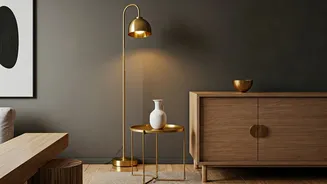
Once your room is decluttered, you can begin to add back accessories—but do it thoughtfully. The wabi-sabi principle encourages an appreciation for handmade, imperfect objects. Think of a slightly misshapen ceramic vase, a hand-thrown pottery bowl, or a linen throw with natural wrinkles. These items add character and a human touch. Bring nature indoors with a few carefully chosen plants. A single, elegant branch in a vase can have more impact than a huge bouquet. Soft, ambient lighting is also key to achieving a cozy hygge atmosphere. Use paper lanterns, minimalist floor lamps, and candles to create warm pools of light. When it comes to art, choose one or two large, simple pieces with abstract shapes or nature-inspired motifs rather than a cluttered gallery wall.