




Master the Post-Walk Clean-Up
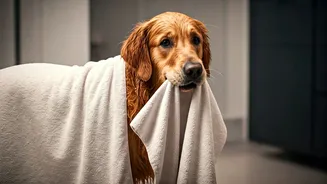
A non-negotiable rule for the rainy season is to clean your pet after every single walk. Their paws, in particular, come into direct contact with muddy water and damp surfaces, which can lead to fungal infections and inflammation. [3, 16] Keep a dedicated
'clean-up kit' by the door. This should include a highly absorbent microfibre towel, pet-safe wet wipes for paws, and a paw cleaner or a basin of warm water. [2, 3] After wiping the paws, be sure to dry them thoroughly, especially between the toes where moisture can get trapped. [8] For long-haired breeds, trimming the fur around the paw pads can significantly reduce the amount of mud they track inside. [3, 16]
Rethink Your Bathing and Grooming Routine
While it may seem logical to bathe your pet more often, over-bathing can strip their coat of natural oils, making their skin more vulnerable. [3, 15] Instead of more frequent baths, focus on keeping them dry. Use a pet-friendly blow dryer on a low, cool setting if needed. [6, 15] Daily brushing is crucial during the monsoon. It helps remove loose fur, prevents matting, and improves air circulation to the skin, which is vital for preventing infections. [4, 22] For a quick refresh between baths, you can use waterless shampoos or pet powders to keep their coat smelling fresh. [9]
Stay Vigilant About Skin and Ear Infections
The constant dampness and humidity make the monsoon a peak season for fungal and bacterial skin infections. [5, 14, 18] Common signs include excessive scratching, redness, hair loss in patches, and a musty odour. [10, 19] Pay close attention to areas that trap moisture, such as skin folds, armpits, and ears. [10, 18] Ears are especially vulnerable, so it's important to keep them dry and clean them weekly with a vet-approved solution to prevent painful infections, particularly in floppy-eared breeds. [9, 20]
Ramp Up Flea and Tick Prevention
Fleas, ticks, and other parasites thrive in warm, humid weather, making monsoon their prime breeding season. [3, 5] These pests are not just an itchy nuisance; they can transmit serious diseases. [3] It's essential to continue with your pet’s regular, vet-recommended tick and flea prevention treatments. [21] Be extra thorough when checking for ticks after walks, paying special attention to areas like under the collar, behind the ears, and between the toes. [3]
Keep Their Living Space Clean and Dry
Hygiene extends to your pet's environment. Damp bedding can become a breeding ground for mould and bacteria. [4, 24] Wash your pet’s bedding, blankets, and soft toys more frequently during this season, and ensure they are completely dry before use. [20, 22] Sun-drying is ideal when possible, as UV rays help kill bacteria. [20] Maintaining good ventilation in your home with fans or a dehumidifier can also help reduce overall dampness. [15] An absorbent doormat can also help minimise the amount of moisture tracked into the house. [15]
Focus on an Immunity-Boosting Diet
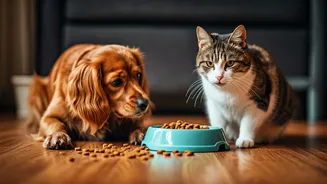
A healthy coat and strong immune system start from within. During the monsoon, consider a diet that is light, easy to digest, and rich in fibre. [2, 9] Foods with omega-3 and omega-6 fatty acids can support skin health, creating a stronger barrier against infections. [20, 23] Always provide access to fresh, clean drinking water. Avoid letting your pet drink from puddles or stagnant water, which can be contaminated and lead to stomach upsets and waterborne diseases. [3, 16] Using filtered or boiled water is a safer choice. [22]