




The Protein Problem in Plant Milks
For years, the primary drivers for choosing plant-based milk in India have been lactose intolerance, ethical concerns, and general wellness. This led to the popularity of almond and oat milks. However, a closer look at the nutritional label reveals a significant
gap. Many popular plant milks are surprisingly low in protein. An average cup of unsweetened almond milk contains just one gram of protein, while oat milk offers around two to three grams. This pales in comparison to the eight grams of protein found in a cup of dairy milk. As health-conscious consumers become more discerning, the demand for plant-based alternatives that don't compromise on this crucial macronutrient has surged, setting the stage for a new generation of high-protein options.
Pea Milk: The Unlikely Powerhouse
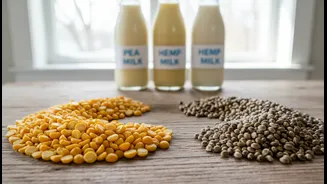
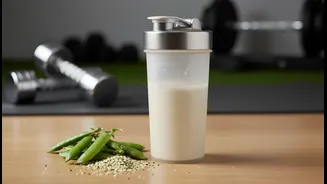
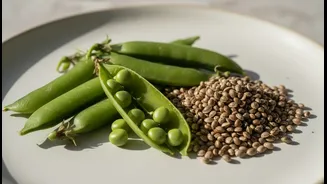
Enter pea milk, a relative newcomer that is quickly gaining attention. Made from yellow split peas, this beverage is a nutritional standout, packing around eight grams of protein per cup — directly comparable to both dairy and soy milk. This makes it one of the best plant-based alternatives from a purely protein-centric perspective. Unlike many rivals, it's also free from common allergens like nuts and soy, making it an accessible choice for many. The production process, which involves milling peas into flour and separating the protein, results in a surprisingly neutral and creamy taste, avoiding the strong 'grassy' flavour some might expect. Brands have also focused on fortification, often adding calcium, vitamin D, and even beneficial omega-3 fatty acids to round out the nutritional profile.
Hemp Milk: A Complete Nutritional Profile
Hemp milk, derived from the seeds of the hemp plant, offers a different but equally compelling set of benefits. While its protein content can vary, some brands offer a respectable three to five grams per serving. More importantly, hemp is one of the few plant sources that provides a complete protein, meaning it contains all nine essential amino acids. It is also naturally rich in healthy fats, including an ideal ratio of omega-6 to omega-3 fatty acids, which are beneficial for heart and brain health. With a nutty, mild flavour and creamy consistency, it’s a versatile option that is also typically free of soy and nuts. Its carbohydrate content is also naturally low, making it a good fit for those monitoring their sugar intake.
The Showdown: Nutritional Comparison
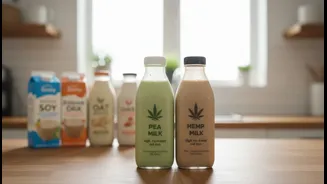
When placed side-by-side, the advantages of pea and hemp milk become clear. While soy milk has long been the gold standard for plant-based protein (around 7-8 grams per cup), pea milk now matches it without the associated soy allergen concerns. Oat milk, praised for its creamy texture perfect for coffee, falls short on protein (2-3 grams) and is higher in carbohydrates and natural sugars. Almond milk, while low in calories, is nutritionally sparse with only about one gram of protein per cup. Hemp milk carves its own niche, offering a complete protein and healthy fats that are absent in most other options. For the consumer focused purely on hitting protein goals, pea and soy are top contenders. For those seeking a more holistically nutritious profile with healthy fats, hemp is a strong choice.
Beyond Protein: Sustainability and Taste
The performance of these milks isn't just about nutrition; it's also about environmental impact. Pea farming is notably sustainable. As a legume, peas fix nitrogen in the soil, reducing the need for artificial fertilizers. They also require significantly less water than almonds and are often grown in less water-scarce regions. Hemp is also considered a highly sustainable crop, as it grows quickly, requires fewer pesticides, and every part of the plant can be used. While it uses more water than peas, it is still far more efficient than almond or dairy farming. This combination of a powerful nutritional punch and a gentler environmental footprint is a key factor driving their outperformance in a market that increasingly values both personal and planetary health.