

The Sun’s Destructive Potential
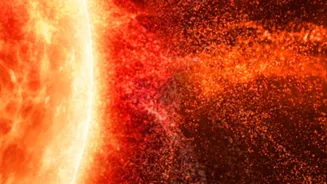
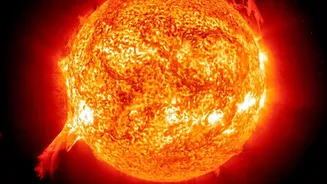
Space weather isn't about clouds or rain; it's about the constant stream of charged particles flowing from the Sun. Occasionally, the Sun releases enormous bursts of plasma and magnetic fields known as coronal mass ejections (CMEs). When a CME strikes
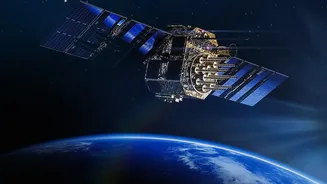
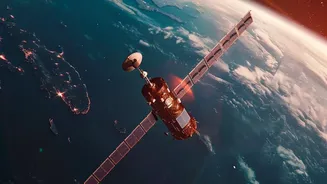
Earth, it can trigger a geomagnetic storm, a major disturbance of our planet's magnetic field. These storms can be devastating for modern technology. They can damage satellite electronics, disrupt GPS and communication signals, and even induce powerful currents in ground-based power grids, potentially causing widespread blackouts. The economic impact of a severe event is estimated to be in the trillions of dollars, affecting everything from banking to transportation and healthcare.
The Current 15-Minute Warning
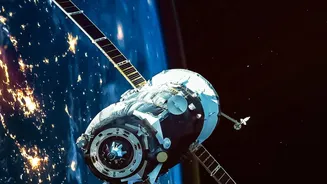
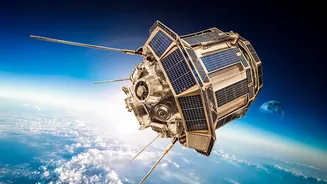
Until now, our best defence has been a very short warning. Spacecraft positioned at a point 1.5 million kilometres from Earth, known as the L1 Lagrange point, act as our tripwire. They can measure the properties of an incoming CME, particularly its magnetic field, which determines how severely it will impact Earth. However, because they are relatively close to us, these monitors provide only about 15 minutes of advance warning for the fastest and most dangerous storms. This leaves satellite operators and grid managers in a frantic scramble to put their systems into a safe mode, reorient satellites, or take other protective measures with almost no time to spare.
A New Sentinel in Deep Space
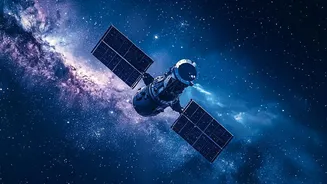
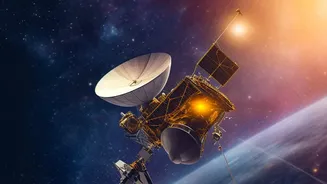
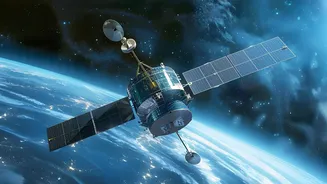
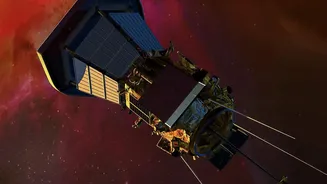
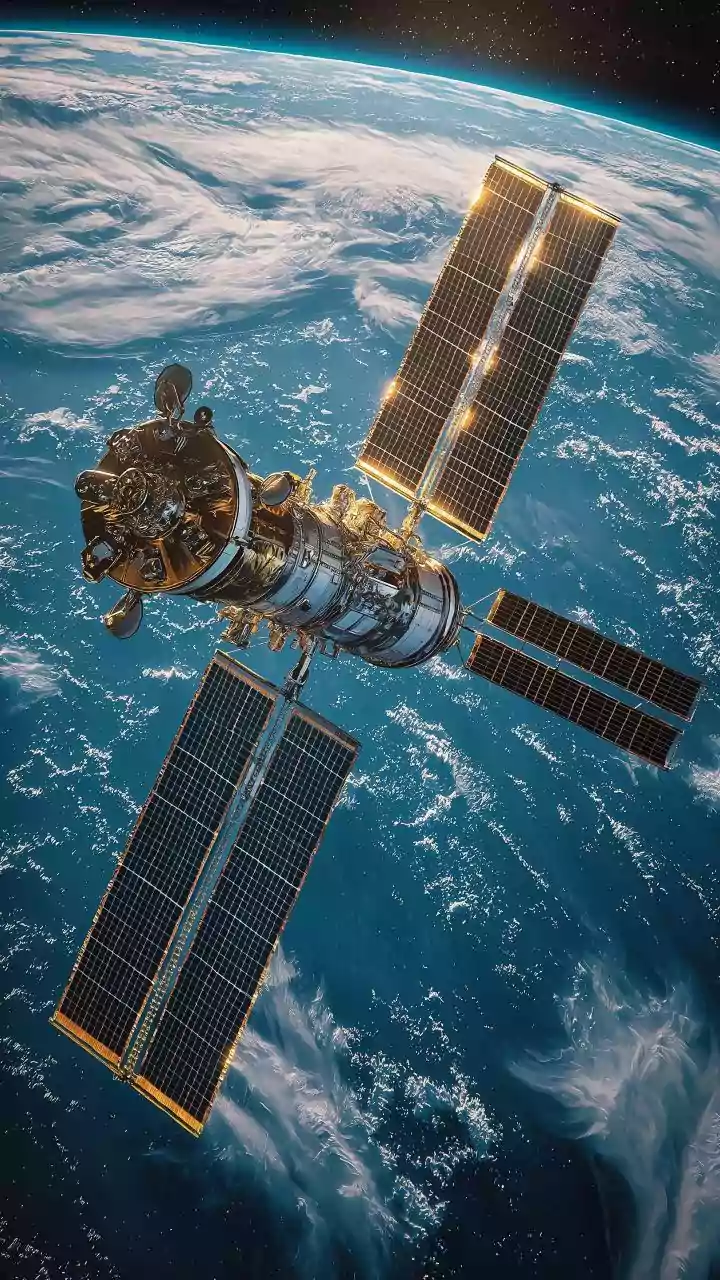
New findings recently presented to the Royal Astronomical Society detail a mission that aims to change this paradigm. The European Space Agency's HENON mission, scheduled to launch in 2027, will act as a pioneering deep-space weather station. A key component of this mission is a miniature UK-built instrument called MAGIC (MAGnetometer from Imperial College). Instead of parking at the traditional L1 point, the HENON CubeSat will travel to a special orbit approximately 15 million kilometres upstream from Earth, ten times farther out than our current monitors. This vantage point will allow it to intercept solar storms much earlier.
From a Scramble to Strategic Preparation
By measuring the magnetic field of a CME so much farther away, the HENON mission could dramatically extend our warning time. If successful, it could turn the current 15-minute alert into a forecast of two to three hours. This transforms the response from a last-second panic into a managed, strategic preparation. With hours of notice, satellite companies could power down sensitive instruments, adjust orbits to minimise exposure, and ensure backup systems are ready. Similarly, power grid operators would have sufficient time to reconfigure their networks to better withstand the induced currents, preventing catastrophic failures and blackouts. For a world increasingly reliant on technology, this additional time is invaluable.
Paving the Way for a Safer Future
HENON is a technology demonstration mission, designed to prove that this new approach to forecasting is viable. According to researchers, its success will be a significant step-change in our ability to forecast and respond to space weather. It is intended to pave the way for a future, permanent operational mission known as SHIELD, which would provide continuous early warnings from deep space. This represents a critical shift from simply reacting to solar events to proactively managing the risk they pose to our global infrastructure. As India continues its push toward a digitally empowered economy with initiatives heavily dependent on satellite networks, securing these assets against space weather is not just a scientific goal, but a national priority.