




The New National Mealtime
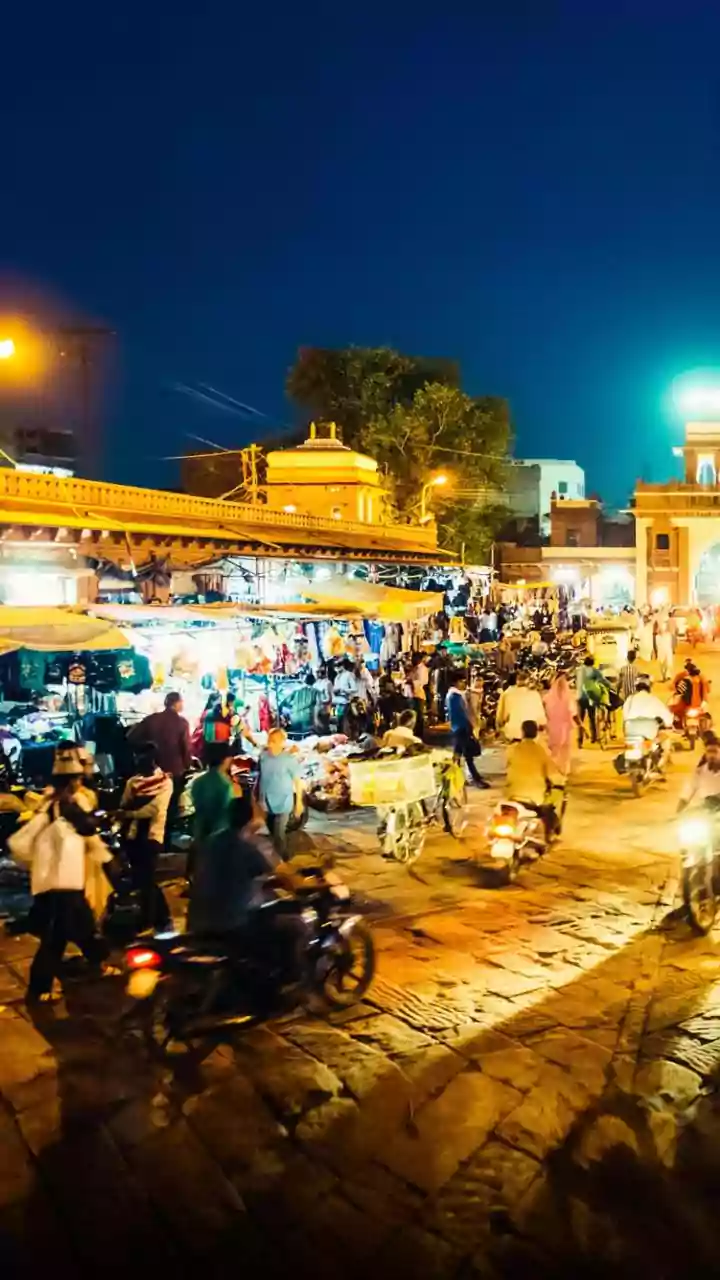
Not long ago, dinner in most Indian households was a family affair, typically concluding by 9 PM. Today, especially in cities, that schedule has been completely upended. The new primetime for eating is increasingly between 11 PM and 3 AM. This isn't just
a fleeting trend; over the past year, late-night food delivery volumes have reportedly doubled. This shift reflects a deeper change in urban lifestyles, where sleep schedules are pushed later, with many young professionals not going to bed until 2 or 3 AM. Cities like Bengaluru, Hyderabad, and Mumbai lead this trend, but it's quickly spreading to emerging markets like Surat, Patna, and Jaipur, signaling a nationwide cultural shift.
What's on the Midnight Menu?
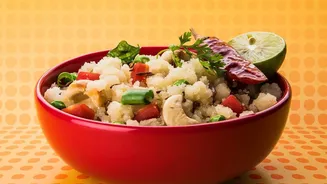
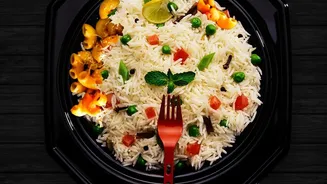
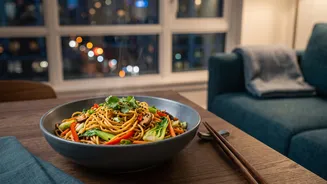
When hunger strikes after hours, what are Indians ordering? Comfort food reigns supreme. Pizzas and burgers are consistent top-sellers for late-night orders placed on major delivery platforms. Classic Indian dishes like chicken biryani, paneer butter masala, and dal makhani also remain popular choices for a hearty late meal. However, the menu is becoming more diverse. Responding to different needs, platforms now offer curated selections like 'One-Handed Grabbies' (rolls and wraps for easy eating at a desk), 'Healthy Nibbles' (salads and grain bowls), and 'Teamwork Bites' (pizzas for group orders). Even packaged goods like ice cream and frozen snacks are seeing a boom, driven by the convenience of quick-commerce apps.
Driven by Work, Screens, and Convenience
Several factors are fueling this nocturnal eating boom. The most significant is the changing nature of work. Long commutes and global work schedules mean many professionals, especially in the tech and service industries, are working well past traditional hours. Data shows a significant percentage of corporate employees place food orders after 10 PM while still at the office. Beyond work, entertainment has also become a major driver. The rise of streaming platforms encourages binge-watching sessions that extend late into the night. Tying it all together are the food delivery apps themselves. With 24/7 operations, endless choice, and seamless payment, they have made satisfying a midnight craving as simple as a few taps on a screen.
From Family Thali to Solo Snacking
This trend marks a significant departure from the communal, structured mealtimes that once defined Indian households. The family dinner, once a non-negotiable anchor of the day, is giving way to more individualised and fragmented eating patterns. Urbanisation and the fast pace of city life mean that family members often operate on different schedules, making it difficult to coordinate a single mealtime. This leads to a rise in solo dining or eating on the go. While this offers flexibility, it also alters the social fabric of eating, transforming it from a shared ritual into a more solitary act of convenience. The shift also impacts health, with inconsistent meal schedules linked to digestive issues.
The Search for Healthier Late-Night Options
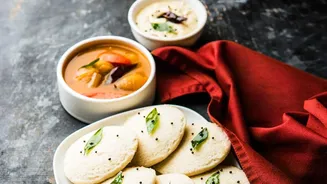
While convenience is key, there is a growing awareness of the health implications of late-night eating. Eating heavy, processed meals shortly before sleep can disrupt digestion and affect metabolic health. In response, a demand for healthier late-night options is emerging. Many consumers are now looking for foods that are flavourful but light. This has led to a rise in popularity for lighter Indian fare like dal, tandoori or grilled items, and vegetable-based dishes. Food delivery platforms have taken note, creating categories like 'Healthy Nibbles' to cater to this health-conscious segment. This indicates a move towards more mindful late-night consumption, where satisfaction doesn't have to come at the expense of well-being.