





The Zero-Waste Kitchen Philosophy
The movement to use watermelon rind is part of a larger, global shift towards reducing food waste. In India, the concept of using every part of a vegetable is a deeply ingrained tradition, born from both frugality and respect for ingredients. Long before
'nose-to-tail' or 'root-to-leaf' became trendy culinary terms, grandmothers were turning vegetable peels and less-loved parts into delicious meals. Using watermelon rind is a modern revival of this age-old wisdom. It’s a simple, effective way to get more value from your produce, reduce your household waste, and tread a little lighter on the planet. By reimagining what we consider 'scraps', home cooks are unlocking new flavours and textures while embracing a more sustainable way of life.
A Surprising Nutritional Boost
Beyond sustainability, the watermelon rind is surprisingly nutritious. While the sweet red flesh is hydrating, the rind packs its own unique punch. It's an excellent source of dietary fibre, which is great for digestive health. The rind is also one of the richest natural sources of an amino acid called citrulline. In the body, citrulline is converted into arginine, which helps produce nitric oxide, a molecule that relaxes and widens blood vessels, potentially improving circulation and heart health. Additionally, the rind contains vitamins C and A, B vitamins, and minerals like potassium and magnesium, all while being very low in calories.
How to Prepare Watermelon Rind
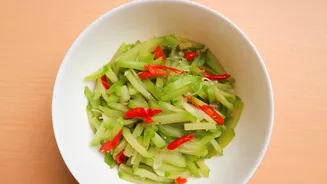
Preparing the rind is simple, but it’s the most important step. First, make sure you wash the outside of the watermelon thoroughly. After you've scooped out the pink flesh, you'll be left with the thick rind. Using a sturdy vegetable peeler, shave off the tough, dark green outer skin. This layer can be hard to chew even after cooking, so it's best to remove it. The part you want to use is the firm, white or pale green flesh that remains. From here, you can cut it into cubes, slice it into strips, or grate it, depending on what your recipe calls for. Its texture is similar to a cucumber or bottle gourd (lauki), and its mild flavour allows it to soak up spices and seasonings beautifully.
Ideas for Savoury Dishes
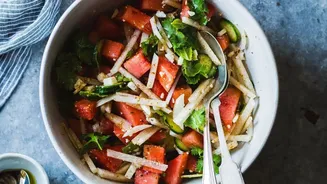
The rind's vegetable-like quality makes it incredibly versatile in savoury cooking. In many parts of India, it's used to make 'tarbooz ke chilke ki sabzi', a simple and flavourful stir-fry. Cubed rind can be cooked with mustard seeds, turmeric, and other spices to create a delicious side dish that pairs well with roti or rice. Its absorbent nature means it also works wonderfully in curries, where it soaks up the gravy. Another popular use is pickling. Much like cucumber, watermelon rind can be pickled in a brine of vinegar, sugar, and spices to create a tangy condiment that's perfect for sandwiches and salads. Some home cooks even use it in stir-fries, coleslaws, and gazpacho.
Sweet Treats and Preserves
On the sweeter side of things, watermelon rind can be transformed into delightful treats. One of the most traditional methods is to make a 'murabba', a sweet preserve popular in Indian cuisine. This involves boiling the rind in sugar syrup with flavourings like cardamom or saffron until it becomes tender and translucent. Another popular creation is candied rind, sometimes used as a homemade substitute for tutti-frutti in cakes and desserts. The process involves soaking the rind and then gently boiling it in a sugar syrup until it crystallises. You can also blend raw rind into smoothies for an extra dose of fibre and nutrients without significantly altering the taste.