






Embrace the Season's Best
The smartest way to shop during the monsoon is to focus on vegetables that naturally thrive in this season. Gourds are the undisputed stars of the rainy months. Varieties like bottle gourd (lauki), bitter gourd (karela), ridge gourd (turai), and pointed
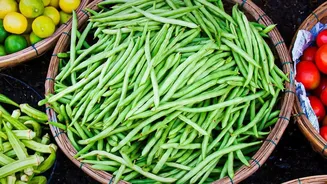
gourd (parwal) are excellent choices. These vegetables have a protective outer skin and grow on vines, keeping them away from waterlogged, contaminated soil. They are less prone to spoilage and are at their nutritional peak. Other reliable options include Indian squash (tinda), pumpkin, beans, and okra (bhindi). These vegetables are generally hardier and better equipped to handle the high humidity, making them a safe and healthy addition to your monsoon meals.
The Leafy Green Dilemma
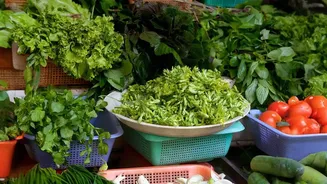
Conventional wisdom often suggests avoiding leafy greens like spinach (palak), fenugreek (methi), and cabbage during the monsoon, and for good reason. The high moisture creates a breeding ground for germs, and the leaves can trap significant amounts of mud, grit, and pests that are hard to wash away. This increases the risk of stomach infections. However, if your family loves greens, you don't have to avoid them completely. The key is to be extremely diligent. Opt for greens that look crisp and fresh, and reject any that are wilted or slimy. Most importantly, follow a strict cleaning regimen. Soaking them in salt water or a diluted vinegar solution before a final rinse can help dislodge contaminants. Always cook leafy greens thoroughly; avoid eating them raw in salads this season.
Vegetables to Be Wary Of
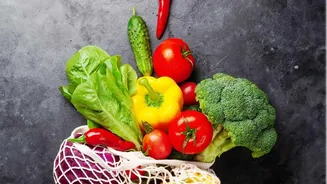
Beyond leafy greens, some other popular vegetables pose a higher risk during the monsoon. Cauliflower and broccoli, with their tightly packed florets, are notorious for trapping moisture and hiding pests, making them very difficult to clean effectively. Bell peppers (capsicum) also tend to spoil quickly in the damp weather. Brinjal (eggplant) can be more susceptible to rot and insect infestation during this time. While you don't need a blanket ban, you should inspect these vegetables with extra care before buying. If you do purchase them, consume them quickly and ensure they are cooked thoroughly. When in doubt, it's often safer to stick with the season's more reliable gourds and root vegetables.
Smart Shopping and Selection
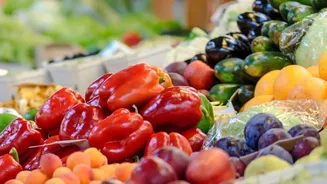
For a busy household, efficient shopping is key. Try to buy your vegetables in the morning when the stock is freshest. Inspect produce carefully, avoiding anything with visible mould, soft spots, or a foul smell. Buying vegetables in smaller batches more frequently is better than bulk buying, as the high humidity accelerates spoilage. Avoid pre-cut vegetables sold at stores or street vendors. While convenient, the increased surface area makes them highly susceptible to bacterial contamination, a risk that is magnified during the monsoon. The safest approach is to buy whole vegetables and cut them yourself at home just before cooking.
The Essential Cleaning Routine
Proper cleaning is your best defence against foodborne illnesses, which see a spike during the rainy season. Start by washing your hands thoroughly before and after handling produce. Rinse all vegetables under clean, running water. For an extra layer of safety, soak them for about 15 minutes in a bowl of water with a tablespoon of salt or a splash of white vinegar. This helps kill germs and remove residual pesticides. Pay special attention to vegetables with crevices. After washing, it is crucial to dry your vegetables completely with a clean cloth or paper towel before storing them, as lingering moisture encourages mould and decay.
Mastering Monsoon Storage
How you store your vegetables is just as important as how you clean them. The plastic bags you bring them home in are one of the worst options for storage, as they trap moisture and accelerate rot. Once your vegetables are completely dry, transfer them to breathable mesh or cotton bags before refrigerating. For items like ginger, a cool, dry place away from sunlight is best. Root vegetables such as potatoes and yams should also be kept in a cool, dark, and well-ventilated spot. A clean refrigerator is also essential; wipe down shelves regularly to prevent cross-contamination. By taking these extra steps, you can extend the life of your produce and ensure your family enjoys fresh, safe meals all season long.