




The Data Tells a Story
The numbers are staggering and point to a structural shift, not just a fleeting trend. According to the travel-fintech platform Scapia, solo travel among Indian women has skyrocketed, growing nearly nine times year-on-year. This isn't an isolated finding.
Zostel, a popular hostel chain, recorded over 92,000 bookings from solo female travellers in 2025, a significant leap from just over 33,000 in 2018. This surge is largely driven by younger women, with Gen Z (ages 18-25) making up over 40% of solo female travellers, according to data from IntrCity SmartBus. The desire for independent travel is widespread, with one Skyscanner report noting that 87% of Indians are considering or have already undertaken a solo journey.
From 'Is It Safe?' to 'Where To?'
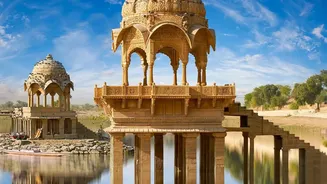
For decades, the primary question surrounding solo female travel in India was about safety. While this remains a valid and crucial consideration, the conversation has evolved. The question is shifting from “if” to “where.” Women are proactively planning their trips, often booking a few days in advance for weekend getaways. There's also a clear preference for destinations perceived as safer and more welcoming. Beach locations like Goa, Varkala, and the Andamans are top domestic picks, while internationally, the ease of access offered by visa-free destinations in Southeast Asia like Thailand, Vietnam, and Sri Lanka is a major draw. Cities like Udaipur, Rishikesh, and Pondicherry are also highly favoured for their blend of culture, safety, and solo-friendly infrastructure.
More Than a Vacation: The 'Why'
The motivations behind this trend go far beyond a simple vacation. For many, solo travel is an act of empowerment and self-discovery. It's an opportunity to break from the routines and expectations of family and work, and to connect with oneself. This is reflected in the rise of spiritual tourism, with destinations like Rishikesh and Varanasi gaining popularity among women seeking personal reflection. This quest for independence is also fuelled by economic factors. Rising employment rates and financial independence among Indian women have given them the means and confidence to explore the world on their own terms. This isn't just about travel; it's a reflection of greater agency in all aspects of life.
The Ecosystem of Empowerment
The travel industry has been quick to respond to and facilitate this growing market. There has been a marked increase in women-centric travel companies, female-only tour groups, and accommodations with women-only dorms. Technology also plays a vital role. Social media provides inspiration and a sense of community, while apps for booking, navigation, and ride-hailing offer convenience and a layer of security. This growing ecosystem makes solo travel more accessible and less intimidating for first-timers. From private drivers booked through reputable agencies to a network of hostels, the support structure for solo female travellers is stronger than ever.