




A New Frontier for Indian Tourism
Imagine gliding through a forest in a quiet electric tram, with soft, simulated moonlight illuminating the path ahead. Suddenly, you see the glowing eyes of a leopard in the distance or hear the rustle of a sloth bear. This is the experience promised
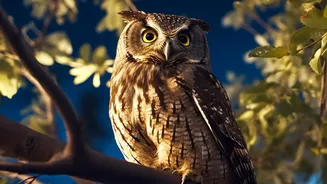
by the Kukrail Night Safari, an ambitious project taking shape in Lucknow's Kukrail Reserve Forest. After receiving final approval from the Supreme Court in July 2026, this initiative is poised to become a landmark destination, inspired by world-famous night safaris in Singapore and Thailand. Unlike a traditional zoo or daytime safari, the focus here is entirely on the creatures of the night, allowing visitors to observe nocturnal animals when they are most active and engaged in their natural behaviours.
What Makes a Night Safari Different?
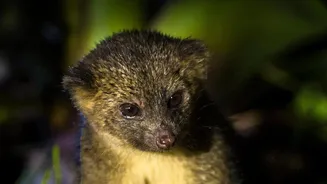
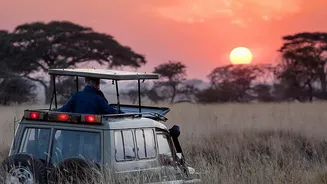
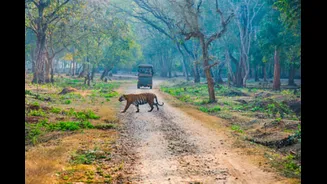
The core concept of a night safari is to flip the script on wildlife viewing. Many fascinating species, from big cats to smaller predators, are nocturnal, meaning they spend most of the day resting and come alive after sunset. A conventional zoo visit often means seeing these powerful animals asleep. The Kukrail Night Safari will use a specialised, low-impact lighting system designed to mimic moonlight, providing clear views for visitors without disturbing the animals. Guests will travel on a 40-minute tram ride through large, naturalistic enclosures that are separated by moats or other unobtrusive barriers, rather than traditional cages. This creates an immersive experience that feels less like a zoo and more like a genuine journey through a nocturnal wilderness.
A Hub for Conservation and Education
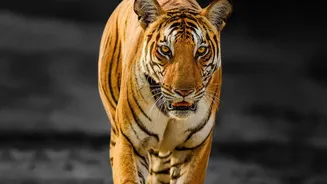
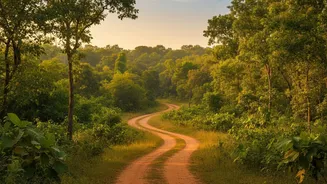
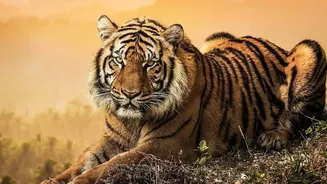
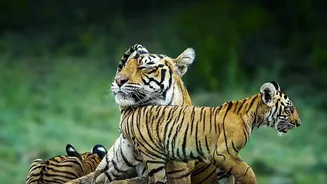
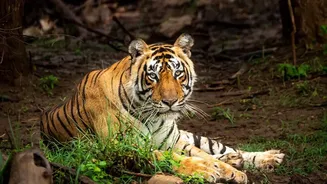
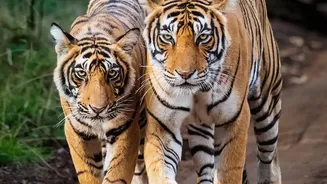
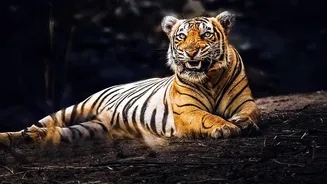
The project is more than just a tourist attraction; it's a comprehensive plan for conservation and public education. The safari is being developed within the 2,027-hectare Kukrail Reserve Forest, an area already renowned for its successful Gharial Rehabilitation Centre, which has been instrumental in conserving the critically endangered species for decades. The new development will include a modern day-zoo, nature trails, and visitor interpretation centres. The government's vision is to create a facility that promotes wildlife breeding, research on nocturnal behaviour, and public awareness about conservation. Plans indicate the park could eventually be home to over 100 species, including Asiatic lions, Bengal tigers, leopards, and flying squirrels, housed in habitats modelled on natural ecosystems.
The Journey to Approval
The path to bringing India's first night safari to life has been a long one, marked by careful consideration of its environmental impact. Because the project is situated in an ecologically sensitive reserve forest, it underwent years of scrutiny. The Supreme Court's final approval came with strict conditions to ensure the protection of the area's biodiversity. For instance, the proposal to relocate Lucknow's existing zoo to the site was rejected to preserve the zoo's role as a green lung in the city centre. Additionally, plans for an adventure zone with augmented reality features were scrapped, and road widening within the forest has been limited to a two-lane route to minimise the felling of trees. These measures reflect a commitment to balancing tourism with ecological preservation.
What to Expect Next
With the final legal hurdles cleared, construction of the estimated ₹1,500 crore project can move forward. The development is planned in two phases, with the first phase expected to take approximately 24 months to complete. This means wildlife enthusiasts and curious visitors may be able to experience the night safari within the next few years. The project is expected to significantly boost tourism in Uttar Pradesh, adding a unique wildlife attraction to a state already rich in cultural and historical destinations. It aims to attract both domestic and international tourists, generating employment and fostering a greater appreciation for India's diverse and often unseen nocturnal wildlife.