


The Foundation: Choosing and Soaking Rice
The journey to a perfect pulao begins and ends with the rice. Not all rice is created equal. For that signature long-grain, non-sticky texture, you must use aged, long-grain basmati rice. Cheaper or newer varieties often contain more starch, which can
lead to a clumpy, sticky result. The first non-negotiable step is washing the rice thoroughly under cold running water until the water runs clear. This removes excess surface starch. The second, and most crucial, step is soaking. Submerge the washed rice in ample water for at least 30 minutes. This allows the grains to hydrate evenly, ensuring they elongate beautifully during cooking instead of breaking. Soaking is the single biggest difference between amateur and professional-looking pulao.
The Soul of the Pulao: Whole Spices
The deep, complex aroma of a restaurant pulao comes from blooming whole spices, or 'khada masala', in hot fat. Powdered masalas can make the dish cloudy and heavy. A simple combination of bay leaf (tej patta), cinnamon (dalchini), green cardamom (elaichi), cloves (laung), and black peppercorns (kali mirch) is all you need. The trick is to heat your ghee or oil on a medium-low flame and add the spices. Let them sizzle gently for about 30-40 seconds until they become fragrant. This tempering process, or 'tadka', infuses the oil with their essential oils, creating a flavour base that will permeate every single grain of rice. Do not rush this step or use high heat, as burnt spices will turn the entire dish bitter.
The Colour and Sweetness: Frying the Onions
The next layer of flavour comes from onions. How you cook them determines the final taste and colour of your pulao. For a classic, light-coloured but flavourful pulao, you need to sauté thinly sliced onions until they are soft and translucent. For a richer, more golden-brown pulao with a hint of sweetness, you need to cook them further until they are evenly golden, a stage just before they become the crispy 'birista' used in biryani. This requires patience and medium heat. Stirring frequently prevents the edges from burning while the centre remains undercooked. This caramelisation process adds a deep, savoury sweetness that is impossible to achieve otherwise. After the onions are perfect, add your ginger-garlic paste and sauté for another minute until the raw smell disappears.
The Perfect Ratio and the 'Dum' Technique
Here is where many home cooks go wrong: the water-to-rice ratio. For soaked basmati rice, the golden rule is typically 1 cup of rice to 1.5 cups of water. Using too much water results in mushy rice. After adding your drained, soaked rice to the pot and gently toasting it with the spices and onions for a minute, add the precise amount of boiling water and salt. Bring it to a vigorous boil, then immediately reduce the heat to the lowest possible setting. Cover the pot with a tight-fitting lid. To create a perfect seal ('dum'), you can place a clean kitchen towel under the lid or seal the edge with atta dough. Let it steam, undisturbed, for 15-20 minutes. Do not open the lid to check. This 'dum' cooking method allows the rice to cook in its own steam, making it incredibly fluffy and fragrant.
The Final Flourish: Resting and Fluffing
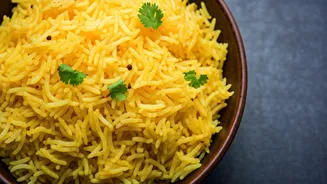
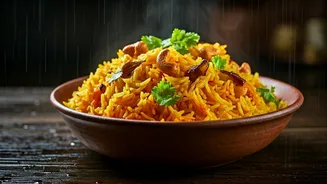
Once the cooking time is up, turn off the heat but do not open the pot immediately. Let the pulao rest, still covered, for at least 10 minutes. This resting period is critical. It allows the moisture to distribute evenly and the grains to firm up, preventing them from breaking when you fluff them. After resting, open the lid and gently fluff the rice with a fork, not a spoon, from the sides. This separates the grains without mashing them. You can garnish with fresh coriander, mint leaves, or a sprinkle of that crispy fried 'birista' for extra texture and flavour. Your simple, yet spectacular, restaurant-style pulao is now ready to be served.