


A World Washed Anew
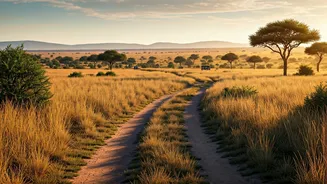
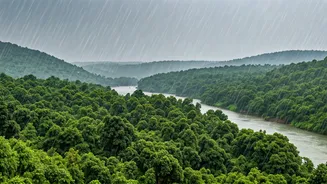
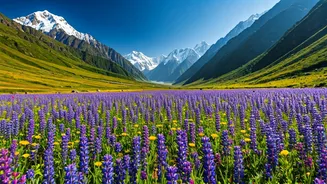
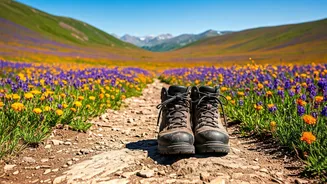
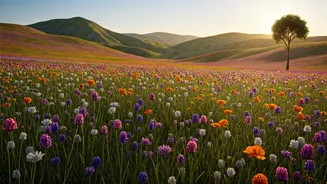
The most immediate change the rainy season brings is the landscape’s dramatic transformation. Parched, dusty plains give way to a lush, green carpet, often dotted with vibrant wildflowers. The air, washed clean of dry-season dust, becomes crisp and clear,
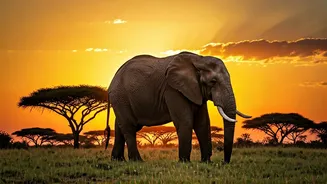
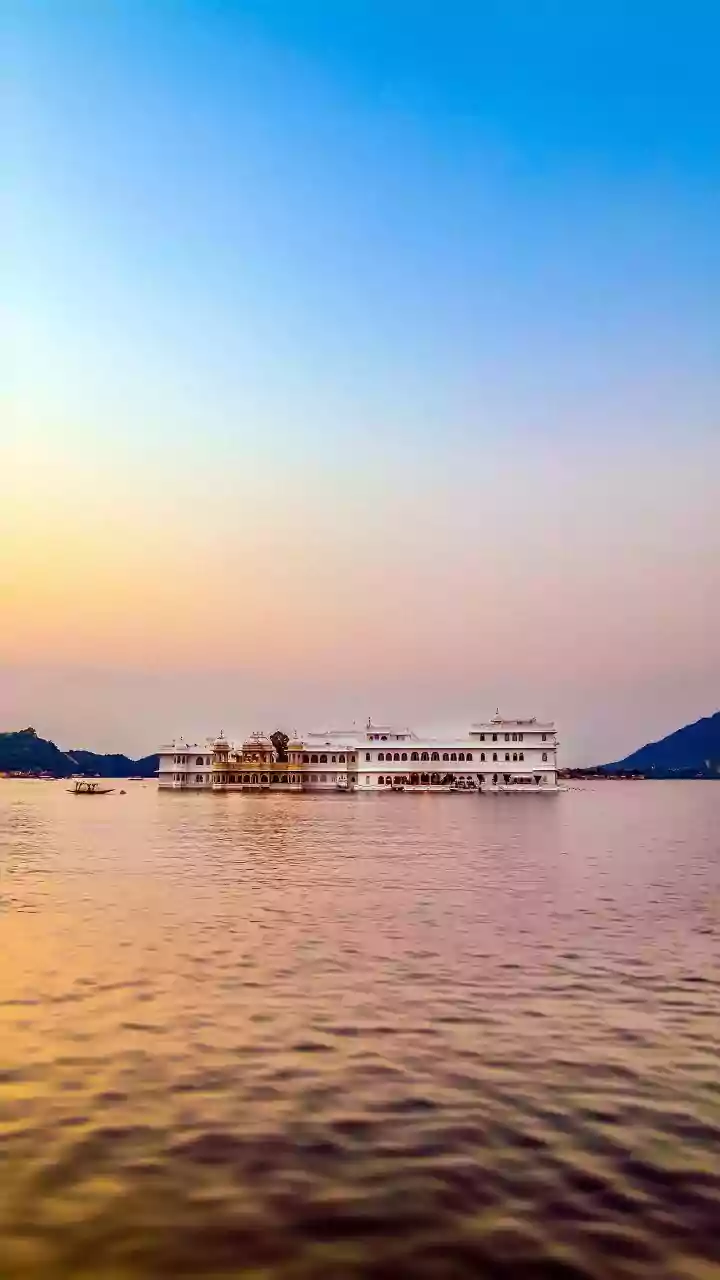
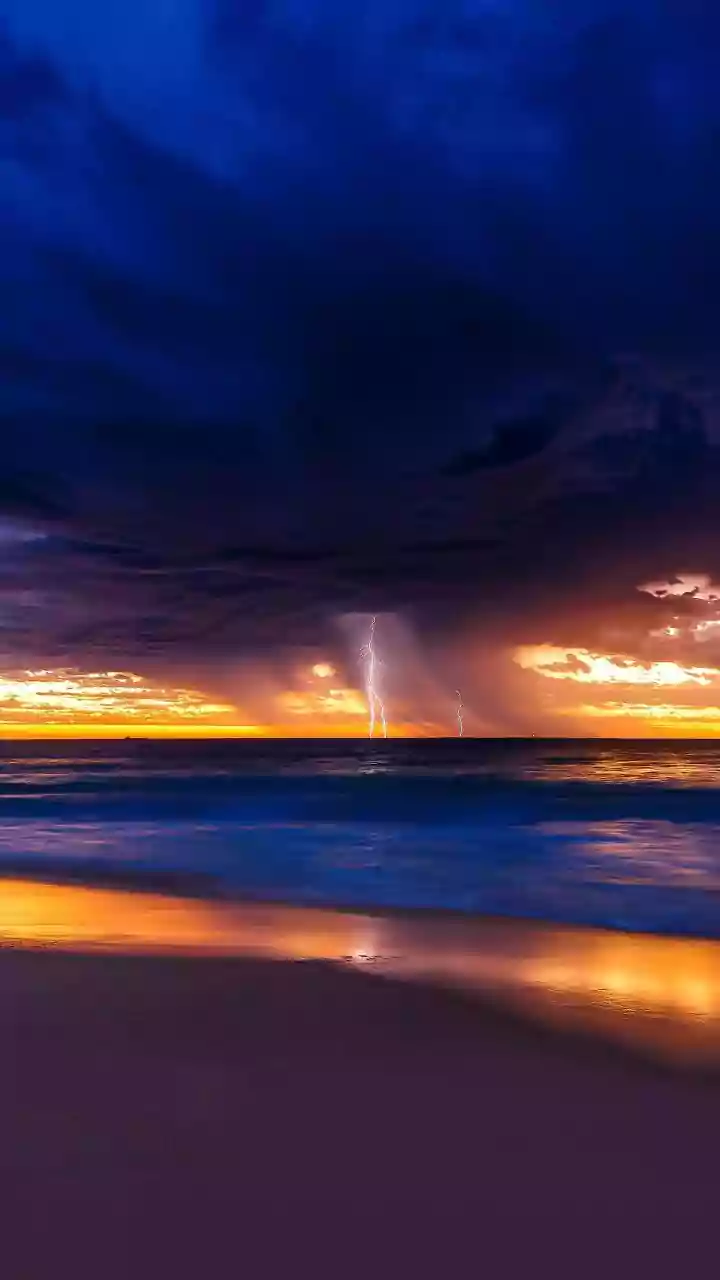
making colours pop. For photographers, this period is a dream. The skies are often filled with dramatic, towering clouds that create moody lighting and spectacular sunsets, a stark contrast to the sometimes harsh, flat light of the dry months. This verdant explosion turns the savannah into a stunning, revitalised paradise, offering a completely different aesthetic to the classic golden-hued safari.
The Circle of Life in Full View
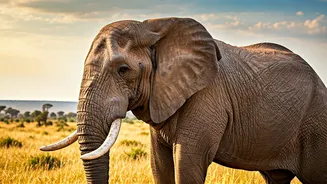
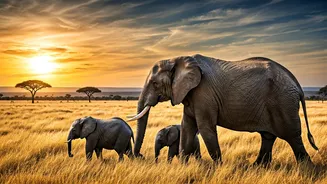
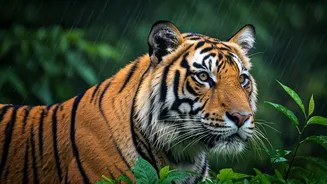
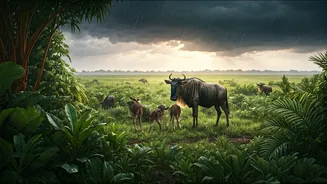
Contrary to the belief that animals are harder to spot, the rainy season is a period of abundance and intense activity. It’s the calving season for many species, including wildebeest, zebra, and antelope. The plains teem with newborns taking their first steps, a heartwarming and captivating sight. Of course, this boom in new life also attracts predators. Lions, cheetahs, and leopards are often more active, taking advantage of the plentiful and vulnerable prey, which can lead to dramatic scenes of the hunt and the raw circle of life. Elephants, in particular, seem to revel in the rain and can often be seen playing in the mud and full waterholes.
Fewer Crowds, Better Value
One of the most significant practical advantages of a rainy season safari is its effect on your wallet and your personal space. This period is considered the low or shoulder season, which means fewer tourists. You’re less likely to find yourself in a convoy of vehicles at a sighting, offering a more intimate and exclusive wildlife experience. This drop in demand also leads to significantly lower prices. Luxury lodges and camps that might be out of reach during peak season often offer substantial discounts, making a once-in-a-lifetime trip more affordable or allowing for a longer stay.
Navigating the Challenges
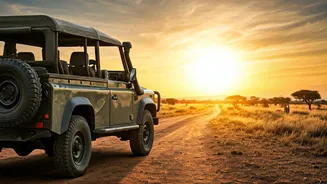
Of course, a rainy season safari isn't without its challenges. The name itself points to the primary one: rain. While it rarely rains all day—typically falling in short, intense afternoon thunderstorms—it can disrupt plans. Roads can become muddy and even impassable, potentially causing delays or requiring reroutes. A reliable 4x4 vehicle and an experienced guide are essential. The lush, tall grass can sometimes make spotting smaller or more elusive animals more difficult. The wet conditions also mean an increase in insects, so packing a good repellent is non-negotiable.
Is a Green Season Safari for You?
Ultimately, the decision comes down to personal preference. If your top priority is to see the Great Migration’s dramatic river crossings in the Maasai Mara, the dry season (July to October) remains your best bet. However, if you are a keen photographer, a birdwatcher (migratory birds arrive in droves), or a traveller who values solitude and seeing a landscape burst with life, the Green Season holds a unique and powerful allure. It’s ideal for seasoned safari-goers looking for a new perspective or adventurous first-timers willing to embrace a bit of unpredictability in exchange for a vibrant, deeply rewarding experience.