




The Problem with Measuring by Volume
For generations, home cooks have relied on measuring cups and spoons. While fine for many dishes, they introduce a surprising amount of variability, especially with dry ingredients. Baking, in particular, is a science where precision matters. The classic
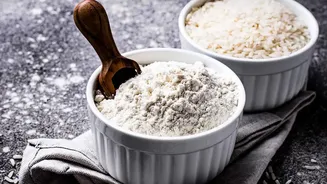
example is flour. Depending on whether you scoop and pack the flour or gently spoon it into the cup, the weight can vary significantly. One test showed that a single cup of flour could weigh as little as 85 grams or as much as 170 grams depending on the scooping method. That difference is enough to turn a light, airy cake into a dense, dry brick. This happens because cups measure volume — the amount of space an ingredient fills — while recipes depend on mass, which is a constant.
Why Weight is the Way to Go
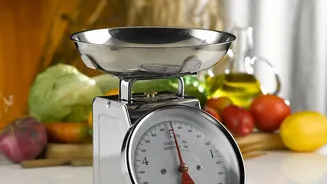
A kitchen scale removes all the guesswork. It measures the actual mass of an ingredient in grams or ounces, which is a far more accurate and consistent method. One hundred grams of flour is always one hundred grams of flour, regardless of how fluffy or compacted it is. This is why professional bakers and pastry chefs almost exclusively measure their ingredients by weight. Using a scale ensures that you are using the exact same amount of each ingredient that the recipe developer intended, leading to predictable and repeatable results every single time. It bridges the gap between a home kitchen and a professional one, empowering you to tackle even the most delicate pastries with confidence.
More Than Just Accuracy
The benefits of using a scale extend beyond simple precision. One of the most beloved features is the reduction in washing up. Most digital scales have a "tare" or "zero" function. This allows you to place your mixing bowl on the scale, press the button to reset the weight to zero, and then add your first ingredient. Press "tare" again, and you can weigh the next ingredient directly on top of the first, and so on. This means fewer measuring cups and spoons to clean. Scales also make it much easier to resize recipes. Doubling 175 grams of sugar (to 350 grams) is simple math, whereas doubling 3/4 of a cup can be cumbersome.
Unlock a World of Recipes
Have you ever found a delicious-looking recipe online, only to discover it’s written in grams? Many recipes from Europe and other parts of the world use metric weight measurements by default. A kitchen scale makes these recipes instantly accessible without any complicated conversion charts. You can confidently try that authentic Italian bread recipe or that French macaron tutorial knowing your measurements are spot on. This simple tool opens up a global library of culinary possibilities, allowing you to expand your repertoire and skills without being limited by different measurement systems.
Getting Started Is Easy
Using a kitchen scale is incredibly straightforward. Place it on a level surface. Turn it on, place your empty bowl on the platform, and press the "tare" or "zero" button to cancel out the bowl's weight. Then, simply add your ingredient until you reach the desired weight. For the next ingredient, just press "tare" again and repeat the process. Digital scales are relatively inexpensive and don't take up much counter space, making them a small investment with a huge payoff in your cooking and baking journey. Once you experience the confidence and consistency that comes from weighing your ingredients, you’ll wonder how you ever cooked without one.