


Develop a Comprehensive Shot List
A detailed shot list is the roadmap for a successful photoshoot, saving time and ensuring no critical image is missed. This document goes far beyond simply listing room types. It should outline every space to be photographed, including the lobby, restaurants,
pool, spa, gym, and exterior. For each shot, specify the desired angle, time of day (daylight vs. dusk), and the overall mood. It's helpful to categorize shots into 'must-haves' and 'nice-to-haves' to help the photographer prioritize. The purpose is to think through the entire guest journey and identify every visual touchpoint that contributes to the story you want to tell. This planning document aligns the hotel team and the photographer on a clear set of goals.
Capture the Vibe, Not Just the Space
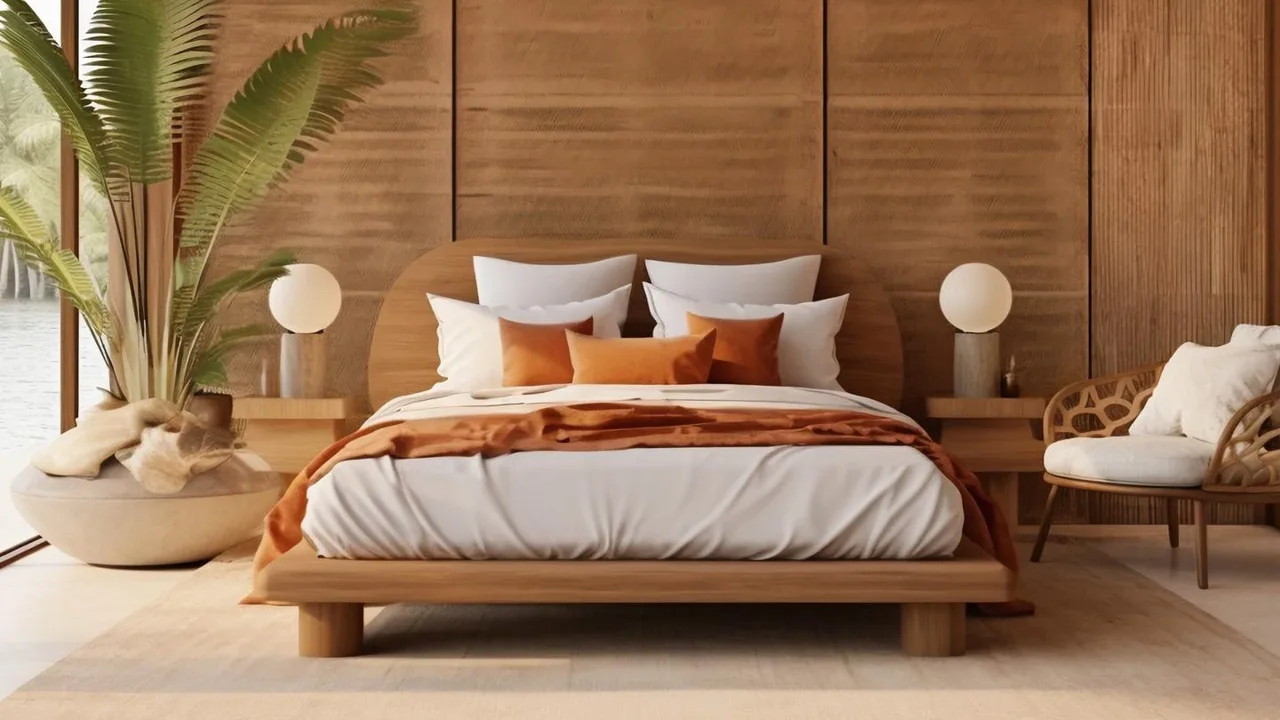
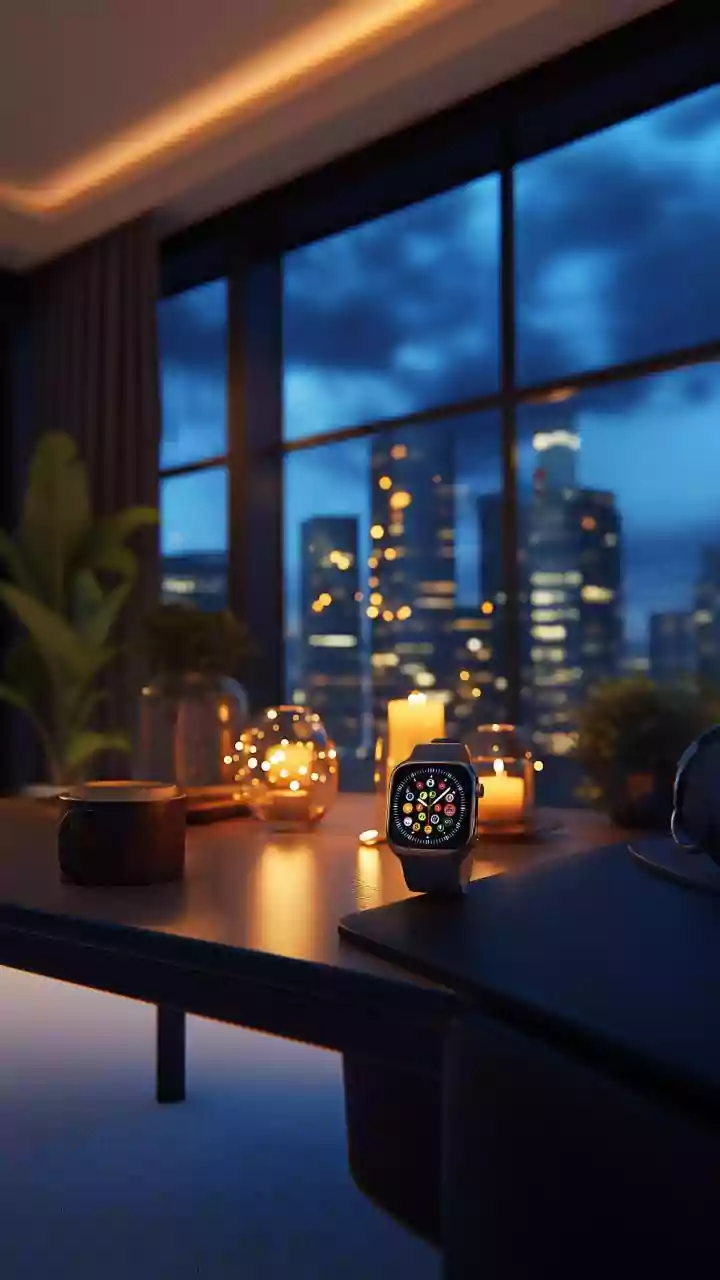
High-quality photography is about evoking emotion. Before the first picture is taken, define your hotel's visual identity. Are you a vibrant, social hub or a serene, luxurious retreat? This brand story should inform every decision, from lighting to composition. The goal is to create images that allow potential guests to imagine themselves in the space. This might mean adding props like a book and coffee cup on a balcony table or showing a beautifully prepared breakfast in the dining area to suggest human presence without needing models. The feeling of an inviting, fresh hotel space is what turns a viewer into a guest.
Showcase Amenities and Common Areas
Guests book a hotel for the complete experience, not just the bed they sleep in. Your photo library must reflect this. Dedicate significant attention to your property's amenities and public spaces. This includes shots of the lobby, food and beverage outlets, wellness areas like the spa or gym, and outdoor features such as gardens or pools. An exterior shot at dusk, with the building's lights glowing, can be one of the most compelling images a hotel has. Don't forget to capture unique architectural details or design elements that set your property apart. These are the images that build value and justify your rates.
The Importance of Staging and Styling
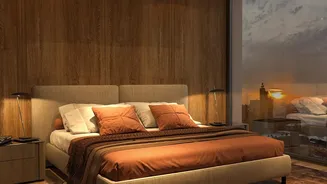
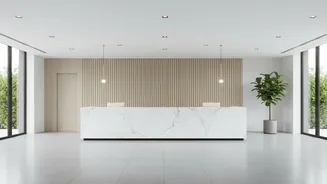
A great photo starts long before the camera comes out. Meticulous preparation of each space is non-negotiable. This involves more than a standard cleaning. All rooms should be spotless, with wrinkle-free linens, perfectly arranged furniture, and no clutter. A stylist can be a valuable investment, helping to balance props so a room looks inviting but not cluttered. Before the shoot, walk through every location with a photographer's eye to fix any maintenance issues, from burnt-out light bulbs to scuffed paint. Clear the front desk of operational items and remove temporary signage to ensure a clean, polished look.
Plan for Technical and Logistical Success
Coordination is key to a smooth and efficient photoshoot. A run sheet or call sheet should detail the schedule, location for each shot, and any staff required. Plan for about 30 minutes to an hour per location to allow for staging and setup. It is crucial to have a designated person from the hotel on-site throughout the shoot to make quick decisions and liaise with the photographer. Finally, ensure you have a clear contract with your photographer that grants you full usage rights for the images across all marketing channels, avoiding future restrictions or extra fees.