


A Philosophy of Skin First
At its core, K-Beauty represents a fundamental shift in perspective. While many Western routines focus on treating problems after they appear—a spot treatment for a pimple, a heavy concealer for dark circles—the Korean approach is about prevention and
nourishment. It’s a ‘skin first, makeup second’ philosophy. The famous (and often misinterpreted) 10-step routine isn't a rigid rule; it’s a mindset that champions layering lightweight, hydrating products to maintain a healthy skin barrier. This idea of skincare as a patient, enjoyable ritual of self-care, rather than a quick fix, resonates deeply in a wellness-obsessed world. It transforms a daily chore into a moment of mindful practice.
The Innovation Engine
Korean Beauty operates on a 'fast fashion' model, but for your face. The domestic market in South Korea is intensely competitive, forcing brands to innovate at a blistering pace. A concept can go from lab to shelf in as little as four to six months, a process that can take years for traditional Western brands. This relentless cycle of research and development is backed by both private investment and government support, which views cosmetics as a key cultural export. The result is a constant stream of newness: groundbreaking formulas, unique textures (like 'bouncy' creams and 'watery' essences), and novel application methods like cushion compacts, which revolutionised foundation.
Made for Social Media
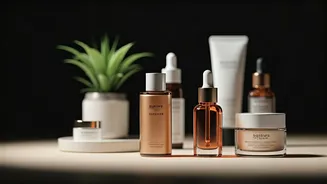
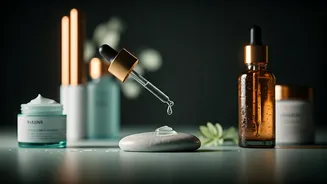
K-Beauty products seem almost scientifically engineered to go viral. The packaging is a masterclass in 'shelfie'-worthy aesthetics, ranging from minimalist and chic (Cosrx, Innisfree) to playfully cute (TonyMoly, Etude House). But it’s the user experience that truly seals the deal. Think of the satisfaction of peeling off a sheet mask, the delightful texture of a bubbling clay mask, or the mesmerising 'glass skin' effect achieved with a hydrating serum. These are visual, shareable moments. The results are instantly gratifying and photogenic, making them perfect fodder for Instagram Reels, TikTok transformations, and YouTube 'empties' videos. It’s not just a product; it's content.
Skin-tertainment and Accessible Science
K-Beauty made skincare fun. It introduced the world to 'skin-tertainment' through fascinating, if slightly unusual, ingredients like snail mucin, bee venom, fermented rice water, and cica (Centella Asiatica). While some sounded strange at first, brands did an excellent job of educating consumers about the science behind them. They demystified active ingredients like hyaluronic acid and niacinamide long before they became mainstream buzzwords. This combination of novelty and education, coupled with an often affordable price point, lowered the barrier to entry. Consumers feel like they are getting cutting-edge, effective formulas without needing a dermatologist’s salary to afford them.
Riding the Hallyu Wave
You cannot separate the success of K-Beauty from the explosive global popularity of the Korean Wave, or Hallyu. When fans see their favourite K-Pop idols and K-Drama actors with impossibly flawless skin, they don't just want to listen to their music or watch their shows; they want to know their skincare secrets. These celebrities become the most authentic and powerful brand ambassadors on the planet. For Indian audiences, this connection is particularly strong. The shared Asian emphasis on bright, even-toned skin, coupled with K-Beauty’s focus on hydration and sun protection—essentials in the Indian climate—makes it a natural fit. It arrives not just as a product, but as part of a much larger, beloved cultural package.