



The Ancient Grain with Modern Appeal
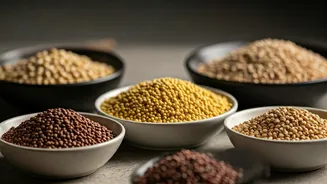
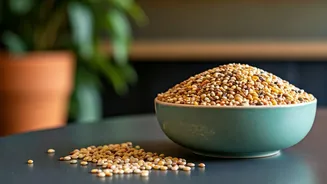
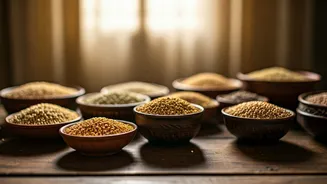
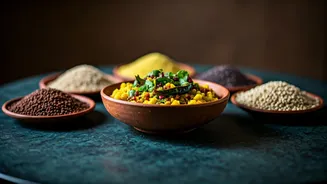
For centuries, bajra, or pearl millet, has been a staple in Indian households, especially in rural areas, valued for its resilience and nutrition. [5] Traditionally used to make rotis or bhakris, this humble grain is now being rediscovered by a new generation
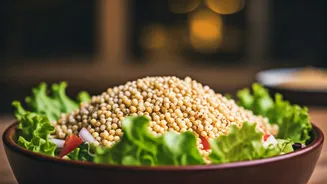
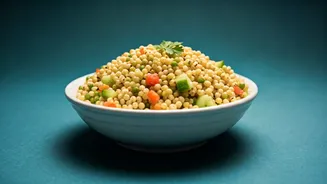
of health-conscious foodies. Its slightly nutty flavour and satisfyingly chewy texture make it an excellent and exciting candidate for a modern culinary makeover, particularly as the star ingredient in wholesome salads. As more people look for nutritious, gluten-free, and interesting alternatives to traditional salad bases, bajra is stepping into the spotlight as a superfood that’s both familiar and new. [9]
A Nutritional Powerhouse
The buzz around bajra is well-deserved, thanks to its impressive nutritional profile. It is naturally gluten-free, making it an excellent choice for individuals with celiac disease or gluten sensitivities. [2, 6] Per 100 grams, bajra provides about 11 grams of protein and is packed with dietary fibre, which aids digestion, promotes a feeling of fullness, and can help with weight management. [2, 3, 7] This high fibre content also gives it a low glycemic index, meaning it releases sugar into the bloodstream slowly, helping to manage blood sugar levels and making it beneficial for people with diabetes. [8, 14] Furthermore, it is a rich source of essential minerals like magnesium, which is crucial for heart health and energy production, as well as iron, phosphorus, and zinc. [1, 5, 6]
How to Prepare Bajra for Salads
The key to a great bajra salad is perfectly cooked grains. The most common method involves soaking the bajra overnight. This not only reduces cooking time but also makes it easier to digest. After soaking, drain the water and rinse the grains. To cook, you can use a pressure cooker for the quickest results; typically, it takes about 7-8 whistles on a medium flame with about two and a half cups of water for every half cup of raw bajra. [4, 19] Once cooked, the grains should be tender but still hold their shape. Allow them to cool completely, and fluff with a fork to separate the grains before mixing them into your salad.
Building Your Perfect Bajra Salad
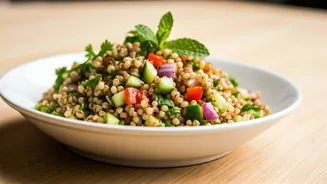
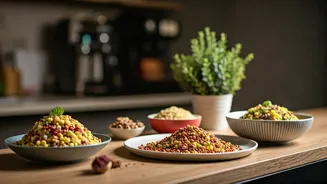
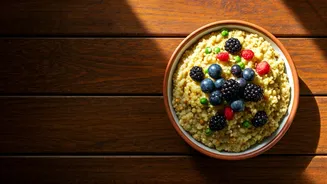
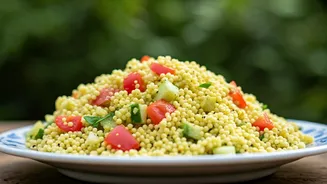
The beauty of a bajra salad lies in its versatility. Its earthy taste pairs well with a wide variety of ingredients. For a refreshing and crunchy salad, combine cooked bajra with chopped cucumbers, tomatoes, onions, and bell peppers. [11] Adding blanched green peas or grated carrots can add a touch of sweetness and colour. [4] For a boost of protein, consider adding shredded chicken, chickpeas, or crumbled paneer. [17] Fresh herbs like coriander and mint are essential for a burst of flavour. The dressing can be a simple lemon juice and olive oil vinaigrette, or you could try a yogurt-based dressing for a creamier texture. [11, 17] Don't be afraid to experiment with fruits like pomegranate or apple for a sweet and tangy contrast. [16]
Beyond Just a Meal
Incorporating bajra salads into your diet is more than just a culinary choice; it's a step towards a more balanced and nutritious lifestyle. By choosing this indigenous grain, you are not only benefiting your own health but also embracing a food that is sustainable and deeply rooted in Indian agricultural traditions. [5] Regular consumption of whole grains like bajra has been linked to a reduced risk of chronic diseases, including cardiovascular issues and type 2 diabetes. [5, 10] Its high fibre content supports good gut health, while its mineral profile contributes to stronger bones and better energy levels. [1, 2] It is a food that nourishes from the inside out, providing sustained energy without the crash associated with refined grains. [5]