



Why a Gentle Reset Beats a Harsh Cleanse
The term 'gut cleanse' often brings to mind restrictive diets or procedures that promise to flush out toxins. However, there is little scientific evidence to support the need for such drastic measures. Your digestive system, liver, and kidneys are already
highly effective at removing waste and toxins from your body. A healthier and more sustainable approach is to support these natural processes. Instead of a 'cleanse', think of this as a 'reset'—a short period of eating simple, nourishing foods that are easy on your gut. This helps reduce bloating and discomfort, giving your digestive system a chance to rest and function optimally before the richer meals of the festive season arrive.
Fuel Your Gut with Clean, Simple Foods
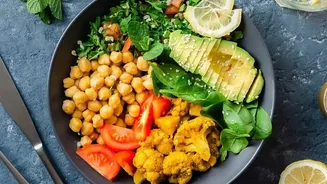
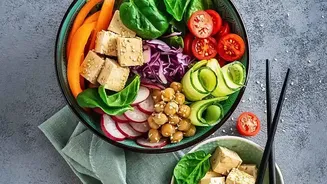
To give your gut a gentle break, focus on 'clean' foods, which are essentially whole, unprocessed, and easy to digest. Cooking methods matter; baked, steamed, or boiled foods are much gentler on the stomach than fried options. Key foods to include are well-cooked vegetables like carrots and sweet potatoes, which are rich in fiber and antioxidants. Lean proteins such as skinless chicken or fish are also good choices. Incorporating fermented foods like plain yogurt can introduce beneficial probiotics that support a healthy gut microbiome. Finally, don't forget healthy fats from sources like avocado and olive oil, which can help your body absorb essential vitamins.
Recipe: Soothing Carrot and Ginger Soup
This soup is a powerhouse of digestive support. Carrots are packed with beta-carotene and gentle fiber, while ginger has been used for centuries to reduce inflammation, ease nausea, and soothe stomach pains. The warmth of the soup itself can also help relax the digestive tract. To make it, you'll need two large carrots (chopped), a one-inch piece of fresh ginger (grated), four cups of vegetable broth, and one cup of coconut milk for creaminess. Simply simmer the carrots and ginger in the broth until the carrots are tender, about 15-20 minutes. Then, stir in the coconut milk, add a teaspoon of turmeric for extra anti-inflammatory benefits, and blend until smooth. Garnish with a sprinkle of salt and pepper before serving.
Recipe: Light Lentil and Vegetable Soup
Lentils are an excellent source of dietary fiber, which helps support regular digestion and nourishes beneficial gut bacteria. This recipe is both hearty and easy on the stomach. Start by sautéing a chopped onion and a few minced garlic cloves in olive oil. Add one cup of red lentils, chopped vegetables like celery and carrots, and six cups of vegetable broth. Season with a teaspoon each of cumin and turmeric, which are spices known to aid digestion. Bring the soup to a simmer and cook for about 25-30 minutes, or until the lentils are tender. Just before serving, stir in a handful of spinach and a squeeze of fresh lemon juice to brighten the flavours.
Recipe: Simple Chicken and Spinach Soup
For a light yet protein-rich option, this chicken and spinach soup is perfect. It combines lean protein, which is easy to digest, with nutrient-dense greens. Start by heating olive oil in a pot and sautéing a chopped onion and minced garlic. Add two cooked and shredded chicken breasts. Pour in six cups of chicken broth (bone broth is a great option for extra nutrients that support gut health) and season with salt, pepper, and a little grated ginger. Bring to a boil, then reduce the heat and let it simmer for about 15 minutes. In the final few minutes of cooking, add a generous amount of fresh spinach and let it wilt into the soup. A squeeze of lemon juice at the end will enhance the flavours.
More Tips for a Happy Gut
Beyond these recipes, a few simple habits can make a big difference. Staying hydrated is crucial for digestion, so be sure to drink plenty of water throughout the day. Even a short 10-minute walk after meals can help stimulate digestion and reduce bloating. Try to eat slowly and mindfully, which gives your digestive system time to process food properly. Finally, managing stress and getting adequate sleep are also key, as both can negatively impact gut health.