






Understanding Cardio Intensity
Before comparing aerobics and trampolining, it's crucial to understand what makes any cardio effective: intensity. Exercise intensity refers to how hard your body is working. It can be measured in a few ways, including by your heart rate or through the
'talk test'. During moderate-intensity activity, you should be able to talk but not sing. With vigorous activity, you'll struggle to say more than a few words without pausing for breath. Scientists also use a measurement called Metabolic Equivalents (METs). One MET is the energy you use while sitting at rest. Moderate-intensity activities burn 3 to 5.9 METs, while vigorous ones burn 6.0 METs or more. The goal for most adults is to get at least 150 minutes of moderate-intensity or 75 minutes of vigorous-intensity aerobic activity each week. How you reach that goal is up to you.
Aerobics: The Tried-and-True Classic
Aerobics, especially styles like step aerobics, has long been a fitness staple for good reason. It’s an effective cardiovascular workout that burns a significant number of calories; some studies show it burns just under 10 calories a minute. These classes are excellent for building lower-body strength in the glutes, quads, and calves. The structured choreography also challenges your coordination and balance. The primary drawback of traditional high-impact aerobics is the stress it can place on joints like the knees and ankles. However, intensity is scalable. Low-impact versions and water aerobics offer gentler alternatives, while advanced or step classes can push you into a vigorous-intensity zone.
Trampolining: The Low-Impact Powerhouse
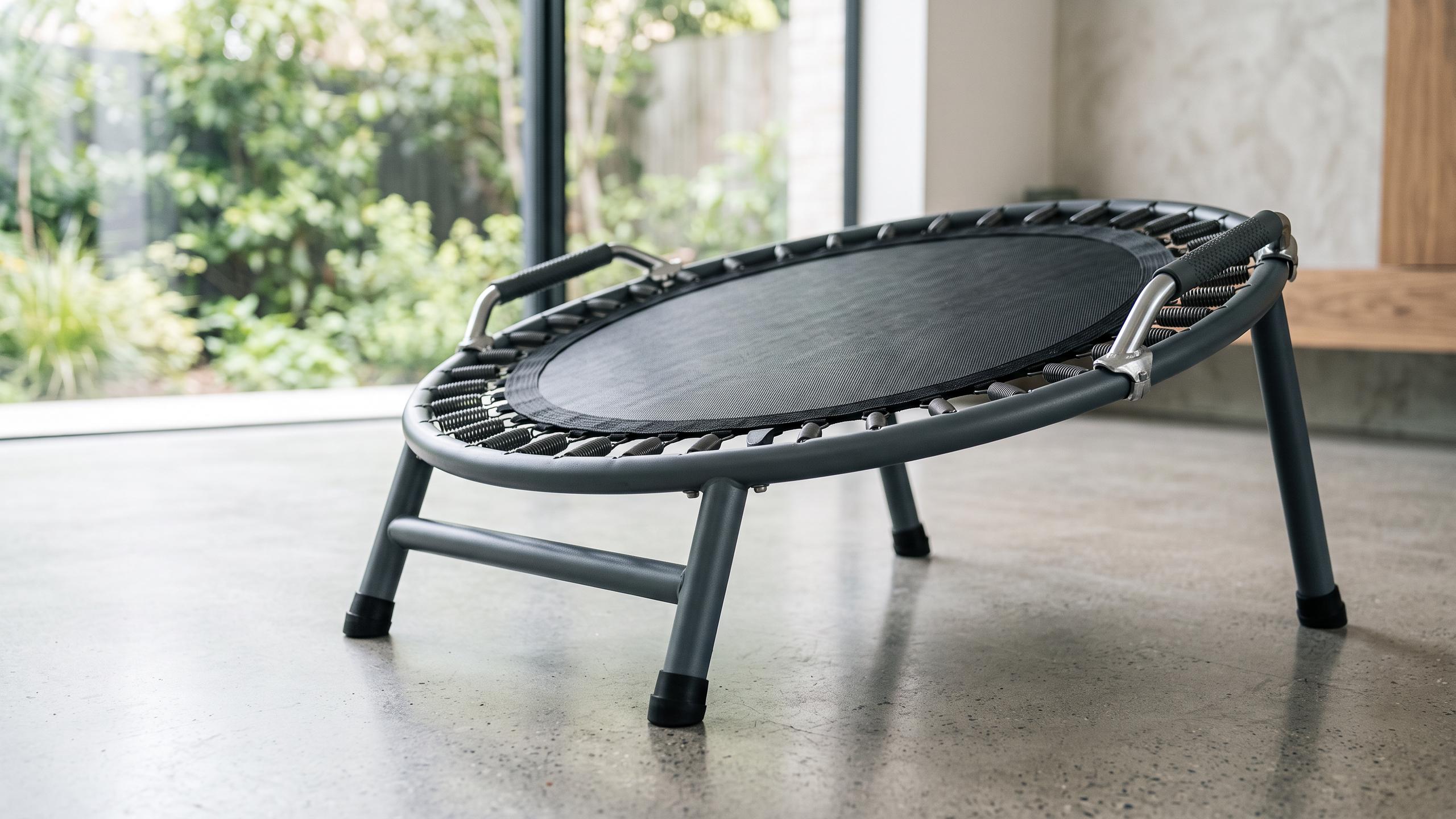
Rebounding, or exercising on a mini-trampoline, might seem playful, but it packs a serious fitness punch. One of its biggest advantages is that it's a low-impact exercise. The trampoline mat absorbs a huge portion of the force from each jump, making it much easier on the joints than running on pavement. Despite being gentle on the body, it provides a substantial cardio workout. Some studies have found that 10 minutes of rebounding can be as effective for cardiovascular health as a 30-minute run. Rebounding also offers unique benefits, such as improving balance by constantly forcing your body to make small adjustments and stimulating the lymphatic system, which helps your body clear out toxins.
Intensity Is the Great Equalizer
So, which burns more calories? It depends entirely on your effort. A high-intensity rebounding session, complete with high knees, jumping jacks, and fast-paced bouncing, can easily qualify as vigorous exercise and burn more calories than a gentle, low-impact aerobics class. Conversely, a high-intensity step aerobics class will likely burn more calories than lazily bouncing on a trampoline. Some estimates place moderate rebounding's calorie burn between 250 and 400 calories per hour. Ultimately, the label 'aerobics' or 'trampolining' doesn't determine the workout's quality; your intensity does. A vigorous rebounding session can have a MET value over 6.0, putting it on par with jogging or a strenuous fitness class.
Beyond the Burn: Other Factors to Consider
Your choice might come down to factors beyond just cardio. If you have sensitive knees, hips, or ankles, trampolining is the clear winner for joint health. It's an excellent option for older adults or those recovering from injury because it builds bone density and balance with minimal stress. Aerobics, on the other hand, is often more accessible. You don't need special equipment for a basic routine, and classes are widely available at gyms. The choreographed nature of aerobics can also be a plus for those who enjoy learning routines and moving in a group setting. Trampolining requires more core engagement to maintain stability on the unstable surface, which is a great added benefit for strengthening your midsection.