
The End of the ‘Instagram Face’
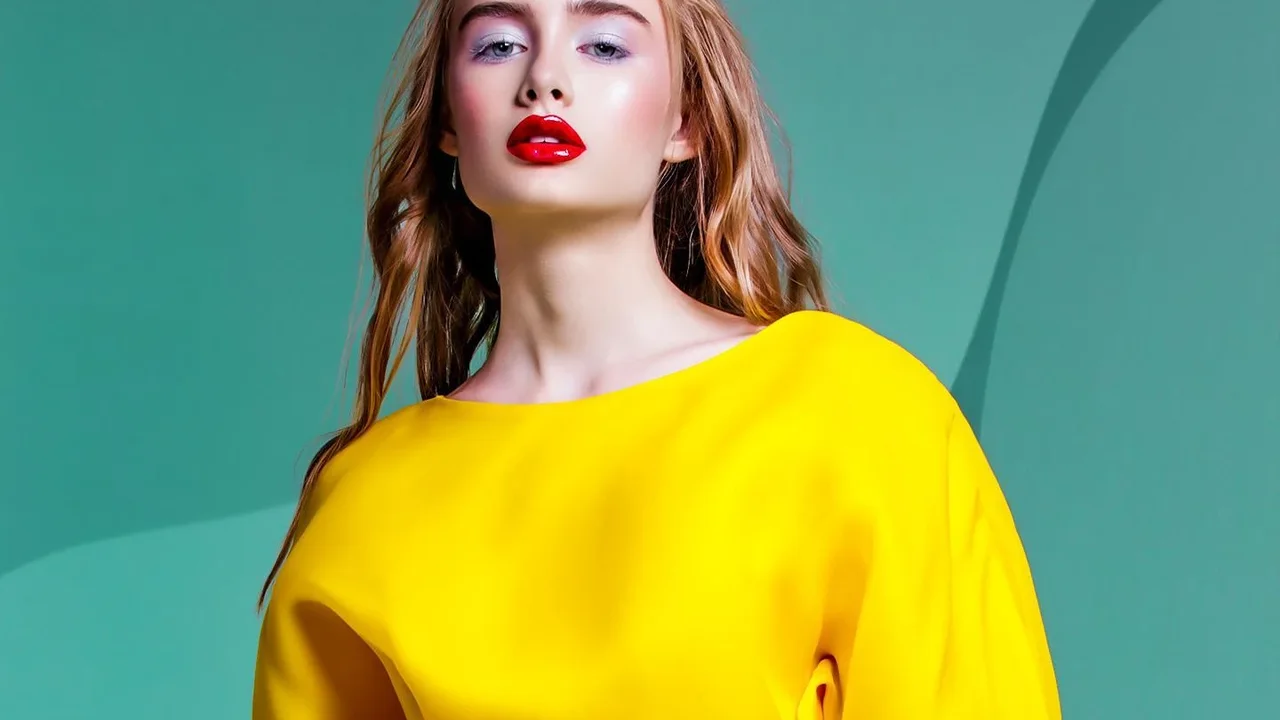
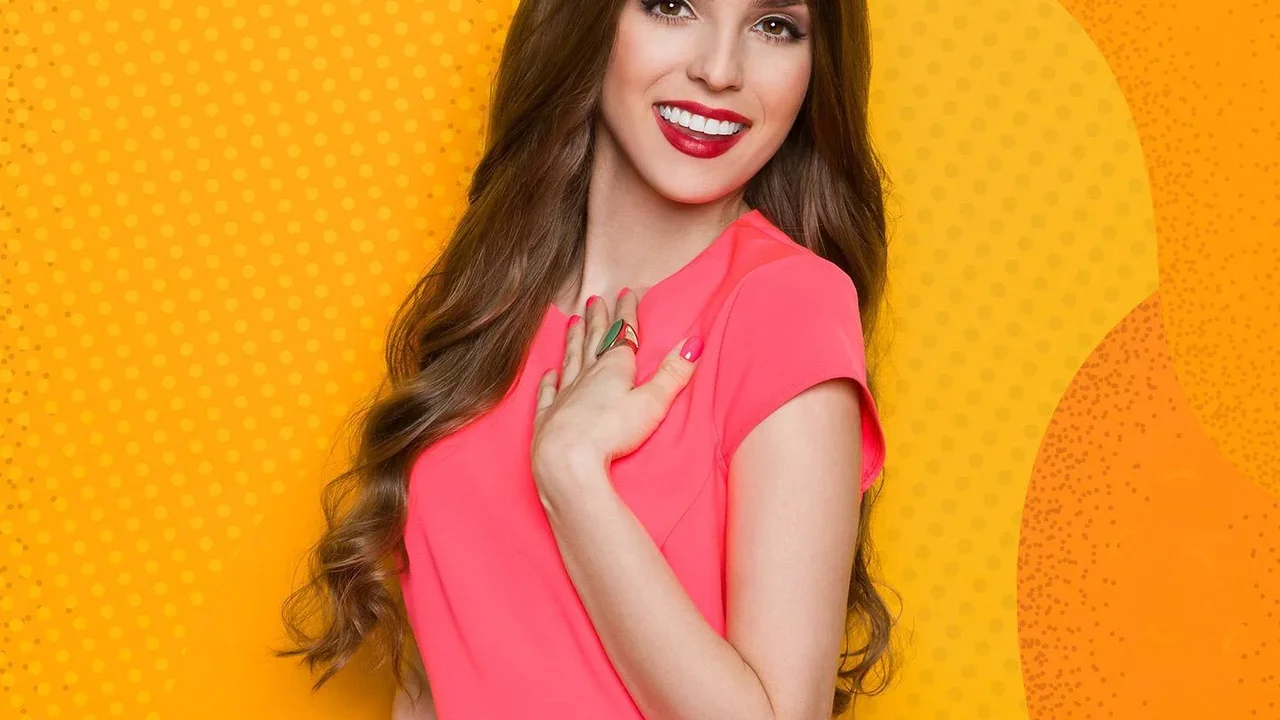
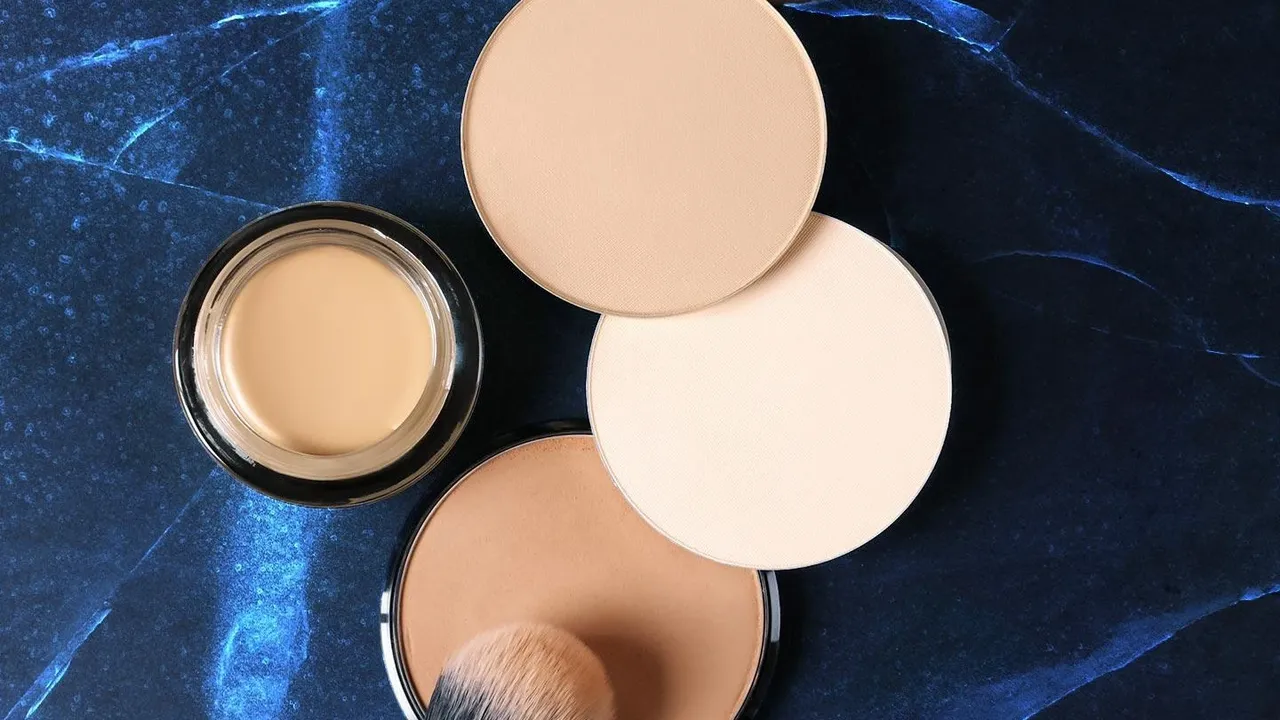
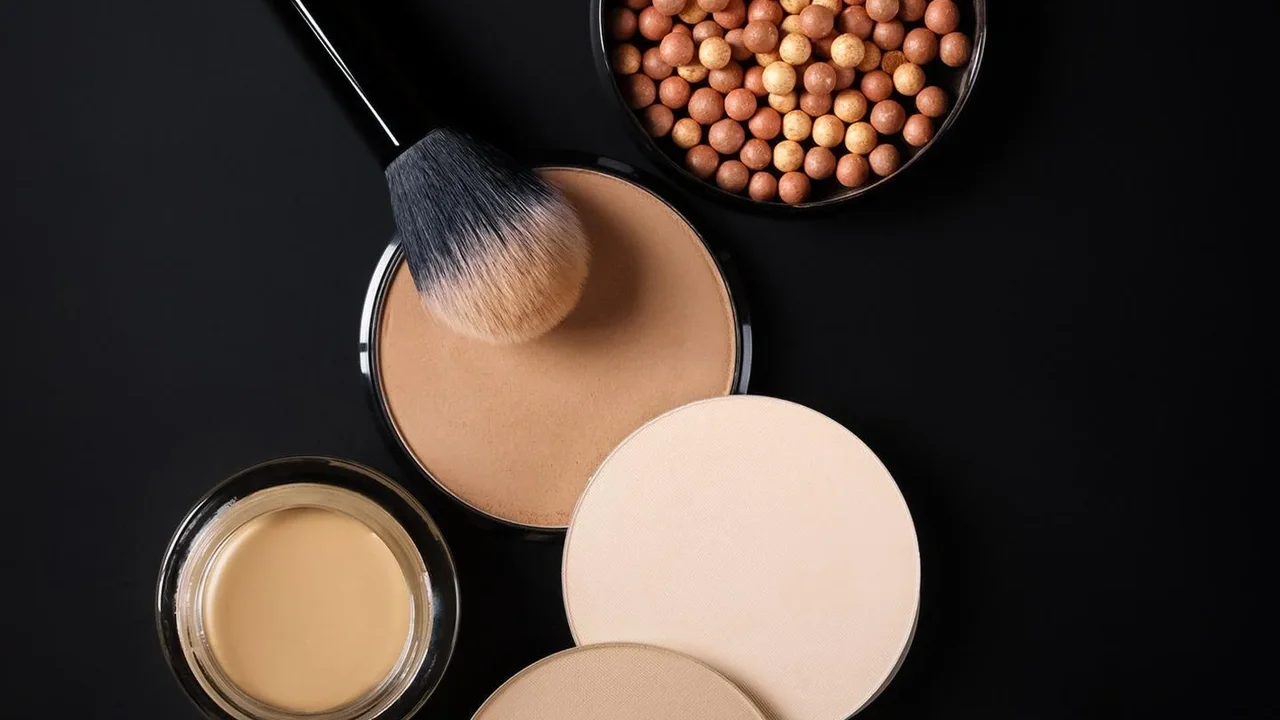
For much of the 2010s, beauty was defined by a highly specific, aspirational look perfected on Instagram. It involved full-coverage foundation, sharp contouring, baked concealer, and perfectly defined, matte liquid lipstick. The goal was a flawless, almost
digitally rendered canvas. But for many in Generation Z, who grew up on the more candid, unfiltered nature of platforms like TikTok, that polished perfection feels dated and inauthentic. They are turning away from techniques that erase individuality and instead embracing looks that highlight features like freckles, pores, and natural skin texture. The philosophical difference is significant: millennials often used makeup for enhancement and polish, while Gen Z sees it as a tool for self-expression, which can mean wearing no makeup at all or opting for bold, creative looks.
Authenticity Is the New Aspiration
At the heart of this trend is a deep-seated desire for authenticity. Gen Z is the most diverse and digitally native generation, and they value transparency from the brands they support. This extends to their beauty standards. They are less interested in achieving an impossible ideal and more focused on feeling good in their own skin. This is a generation that grew up watching dermatologists debunk myths on TikTok and is fluent in the language of ingredients. They want to see real, unretouched skin in marketing, and they gravitate towards influencers who show their own skin texture, blemishes and all. The trend isn't about rejecting makeup entirely; it's about rejecting the pressure to look perfect. In fact, research shows that only a small percentage of Gen Z wears makeup every day, treating it more as a form of occasional self-expression rather than a daily mandate.
Skinimalism: Skincare First, Makeup Second
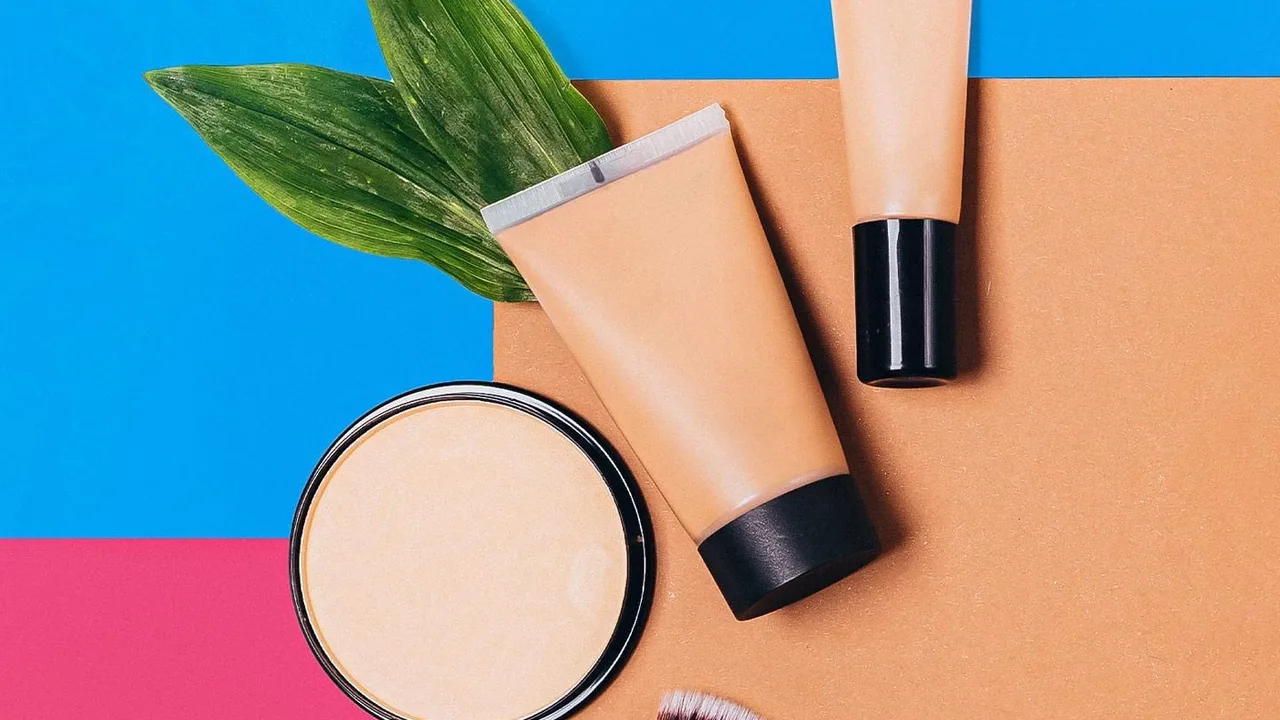
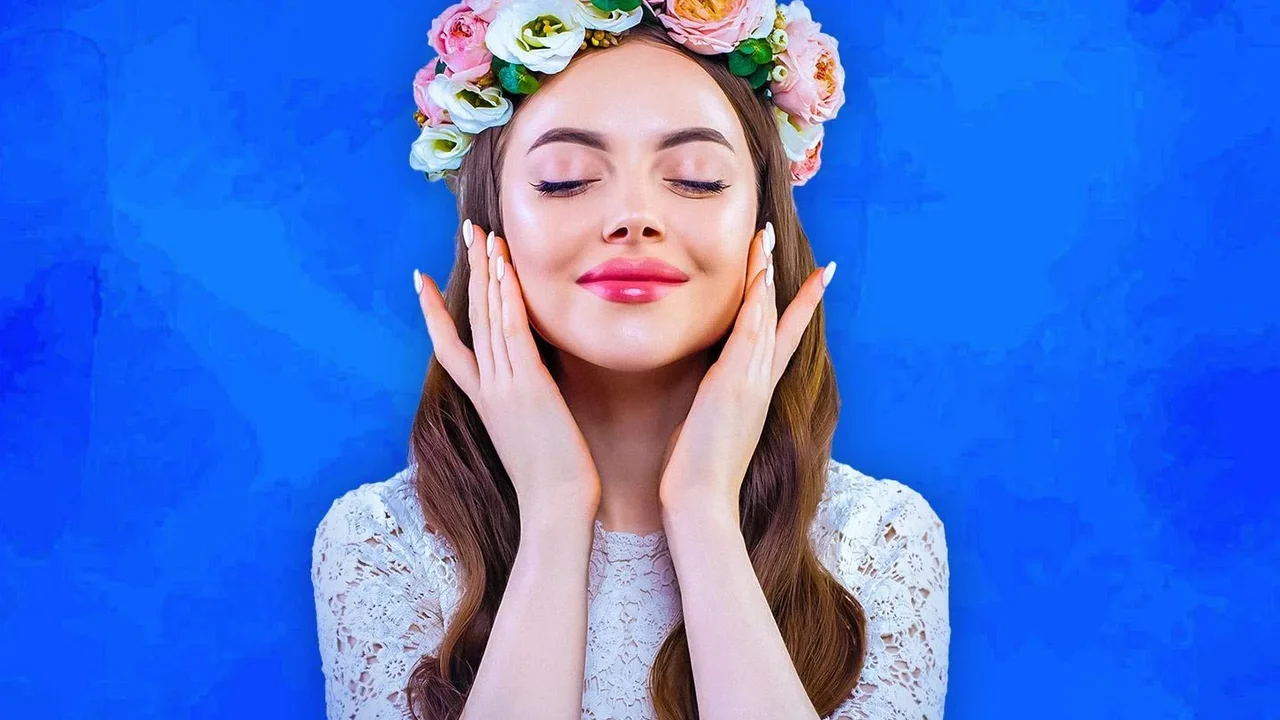
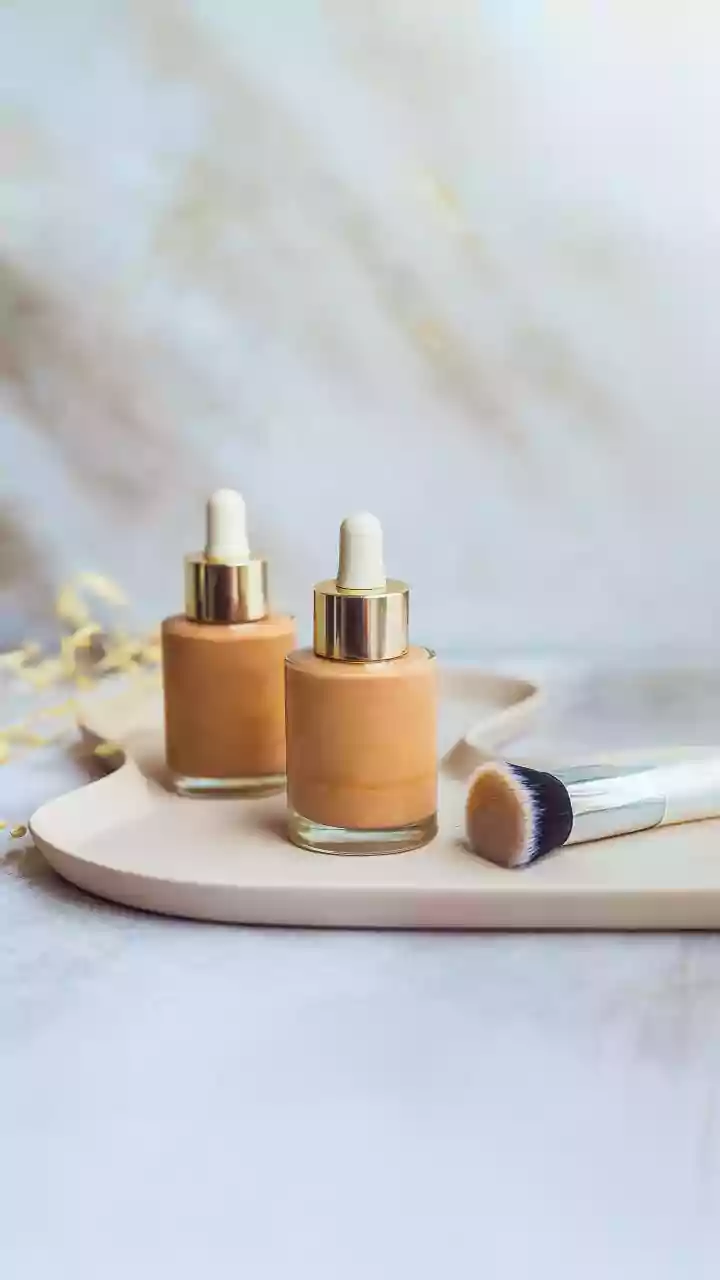
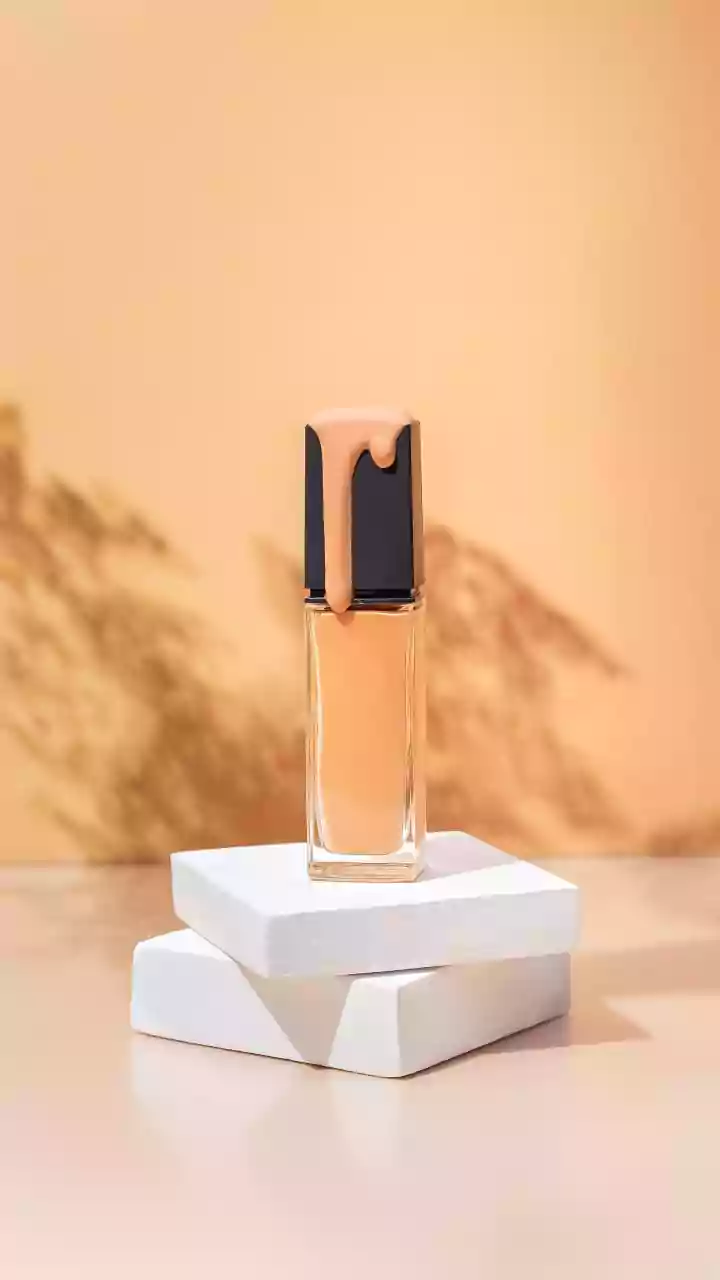
This movement has a name: “skinimalism.” First identified as a major trend around 2021, skinimalism is the practice of simplifying beauty routines to focus on skin health. The philosophy is that healthy skin requires less coverage. Gen Z consumers are investing heavily in skincare, with spending in that category sometimes surpassing makeup. They prefer effective, multi-functional products that protect the skin barrier with ingredients like hyaluronic acid and niacinamide. This 'skin-first' approach means makeup becomes the final, optional step. The preferred products are those that feel like skincare—lightweight skin tints, hydrating serum foundations, and buildable concealers used only for spot treatment. The goal is to achieve a dewy, hydrated look that appears natural and effortless, often called the “clean girl” aesthetic.
The Products and Techniques Defining the Trend
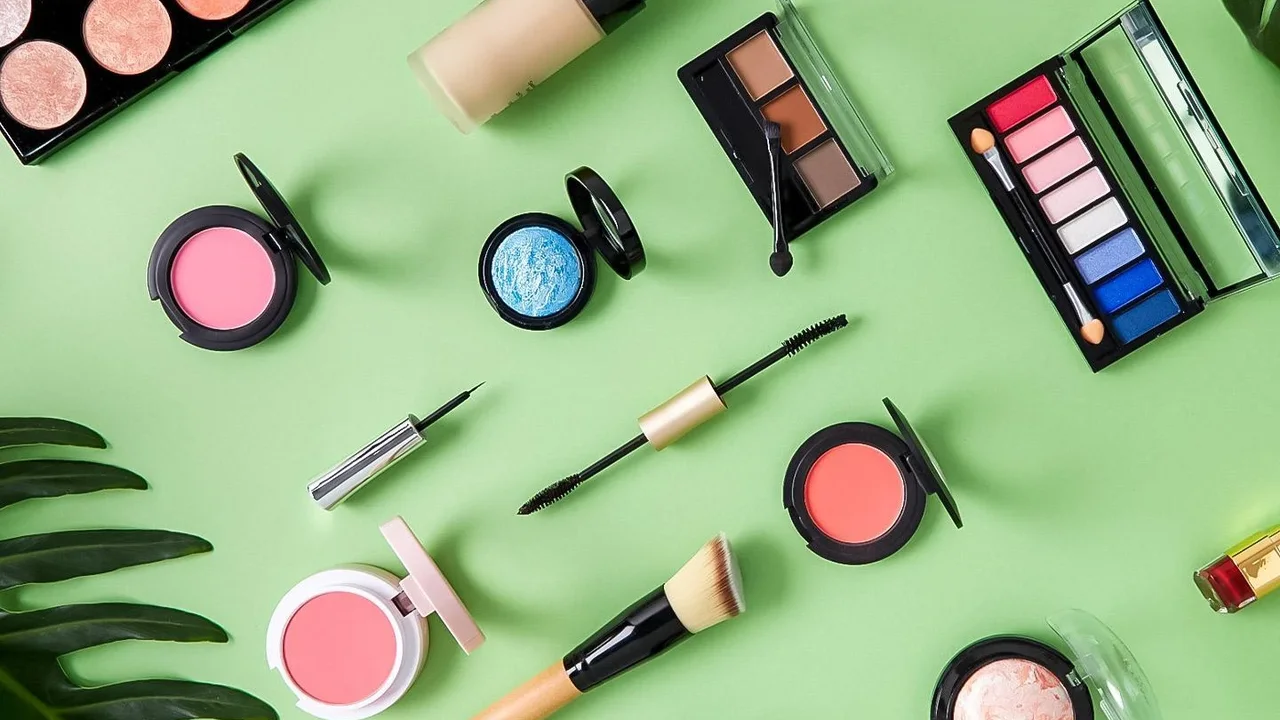
Achieving this real-skin look has popularised a new category of products. Heavy foundations are replaced with sheer skin tints and tinted moisturisers. Powdery blushes and contours have been swapped for cream-based products that melt into the skin for a natural, sun-kissed flush, often applied high on the cheekbones. Glossy finishes are everywhere, from shiny lip oils and balms that have overtaken matte lipsticks, to dewy setting sprays that create a “glass skin” effect. Eyebrows are often brushed up and feathery rather than sharply drawn, and a simple coat of mascara often completes the look. Multi-use sticks for lips and cheeks are also popular, aligning with the generation's interest in both efficiency and sustainability by reducing the number of products needed.