





Why The Monsoon Changes Everything
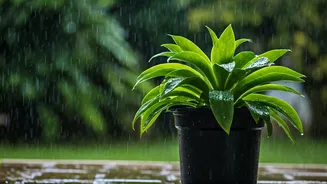
During the monsoon, the rules of watering flip entirely. The combination of high humidity, reduced sunlight due to cloud cover, and frequent rain means that soil dries out much more slowly. Plants simply don't lose as much water through their leaves to evaporation,
so their need for water decreases significantly. Continuing a summer watering schedule is a recipe for disaster. The soil becomes saturated, and the air pockets that roots need to breathe disappear. In simple terms, you can drown your plants by giving them too much love in the form of water they don't need.
Spotting The Signs of Distress
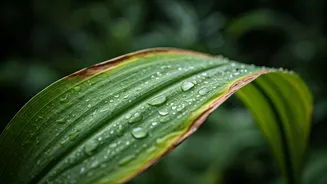
Overwatering can be deceptive because its symptoms often mimic those of a thirsty plant. The most common sign is leaves turning yellow, not just at the tips but often starting from the base of the plant. Another tell-tale sign is wilting. If a plant is wilting but the soil feels wet, that's a red flag. This happens because the waterlogged roots have started to rot and can no longer absorb water or nutrients effectively. Other signs include soft, mushy stems, the shedding of both old and new leaves, and a musty or rotten smell coming from the soil. If you see mould on the soil's surface, it's a clear indication of excess moisture.
The Golden Rules of Monsoon Watering
The number one rule is to ditch the fixed schedule. Before you even think about watering, check the soil. The simplest method is the finger test: insert your finger about two inches into the soil. If it feels damp, do not water. Only water when the top layer of soil is dry to the touch. When you do water, aim for the morning. This gives any moisture on the leaves a chance to evaporate during the day, reducing the risk of fungal diseases, which thrive in the damp monsoon conditions. Always water the base of the plant, directly onto the soil, rather than showering the leaves.
Improving Drainage: Your Best Defence
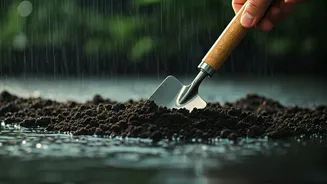
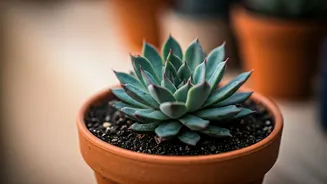
Good drainage is your garden's best friend during the monsoon. For potted plants, ensure every pot has drainage holes and that they are not blocked. You can even elevate your pots on bricks or stands to help excess water escape freely. The soil itself is also critical. Avoid heavy, clay-based soils that retain too much water. Instead, use a light, well-draining potting mix. A good combination often includes garden soil, compost or manure, and something to improve aeration like cocopeat or sand. This kind of mix ensures that even after a heavy downpour, the roots aren't left sitting in a bog.
First Aid for an Overwatered Plant
If you suspect a plant is already overwatered, act quickly. First, stop watering it immediately. If possible, move the plant to a sheltered, shady spot to reduce stress. Gently remove the plant from its pot and inspect the roots. Healthy roots are firm and whitish, while rotten roots will be brown, black, and mushy. Using clean shears, carefully trim away any dead or rotten roots and yellowing leaves. It can be beneficial to let the root ball air out for a few hours before repotting it in fresh, dry, well-draining soil. After repotting, wait a few days before watering lightly. Do not fertilise the plant until you see signs of new, healthy growth, as the delicate roots can be easily burned.