






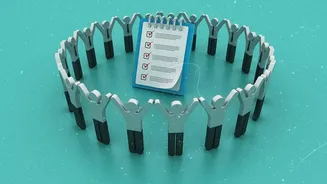
Start with a Festive Budget
Before reviewing any specific financial product, the first and most critical step is to create a dedicated festive budget. This isn't about limiting joy; it's about preventing regret. A budget is a plan that empowers you to celebrate without financial stress
later. Start by listing all anticipated expenses: gifts, new clothes, home decor, travel, and special meals. Assign a specific amount to each category. This process helps you differentiate between needs and wants and prevents impulsive splurges driven by sales and offers. Having a written plan, prepared weeks before the season begins, provides a clear roadmap and helps you stick to your spending limits. A budget that only exists in your mind is merely an intention; a written one is a plan.
Review Your EMIs and Debt
The festive season is notorious for tempting offers like 'Buy Now, Pay Later' (BNPL) and zero-cost EMIs. While these make expensive purchases seem affordable, they can become a long-term burden. Before taking on new debt, review your existing EMIs. Multiple EMIs can strain your monthly finances long after the celebrations are over. If you are already servicing loans, ensure your festive spending doesn't jeopardise your ability to make timely payments. It is highly advisable to avoid taking on new loans or using credit cards for festive spending if you cannot pay the full balance promptly. Credit card debt often carries very high interest rates, turning a festive purchase into a costly long-term liability. If you receive a festive bonus, a smart strategy is to use a portion of it to clear high-interest debts before indulging in new spending.
Protect Your SIPs at All Costs
A common mistake during high-spending periods is to pause or stop Systematic Investment Plans (SIPs) to free up cash for festive expenses. Financial experts unanimously advise against this. Your SIPs are a crucial tool for long-term wealth creation, and consistency is key to their success. Stopping your investments, even temporarily, can disrupt the power of compounding and derail your progress towards important financial goals like retirement or a child's education. Instead of seeing SIPs as an expense, treat them as a non-negotiable financial commitment, much like an EMI. Automating your SIP deductions ensures your investments continue uninterrupted. If you find your budget is tight, it's better to cut back on discretionary festive spending than to sacrifice your long-term financial security.
Use Your Savings Wisely
Your savings are your financial cushion, and the festive season is a time when you might be tempted to dip into them. While it's better to use savings than to take on debt, it should be done mindfully. Ideally, you should plan and save specifically for festive expenses in advance, perhaps through a separate savings account or a short-term recurring deposit. This prevents you from depleting your emergency fund, which should be reserved for true unforeseen crises. If you do use a portion of your regular savings, make a concrete plan to replenish it in the months following the festival. If you receive a bonus, consider allocating a part of it to boost your savings or investments, rather than spending it all. This ensures that the festive season enhances your life without compromising your financial stability.