






The Windowsill-to-Wok Revolution
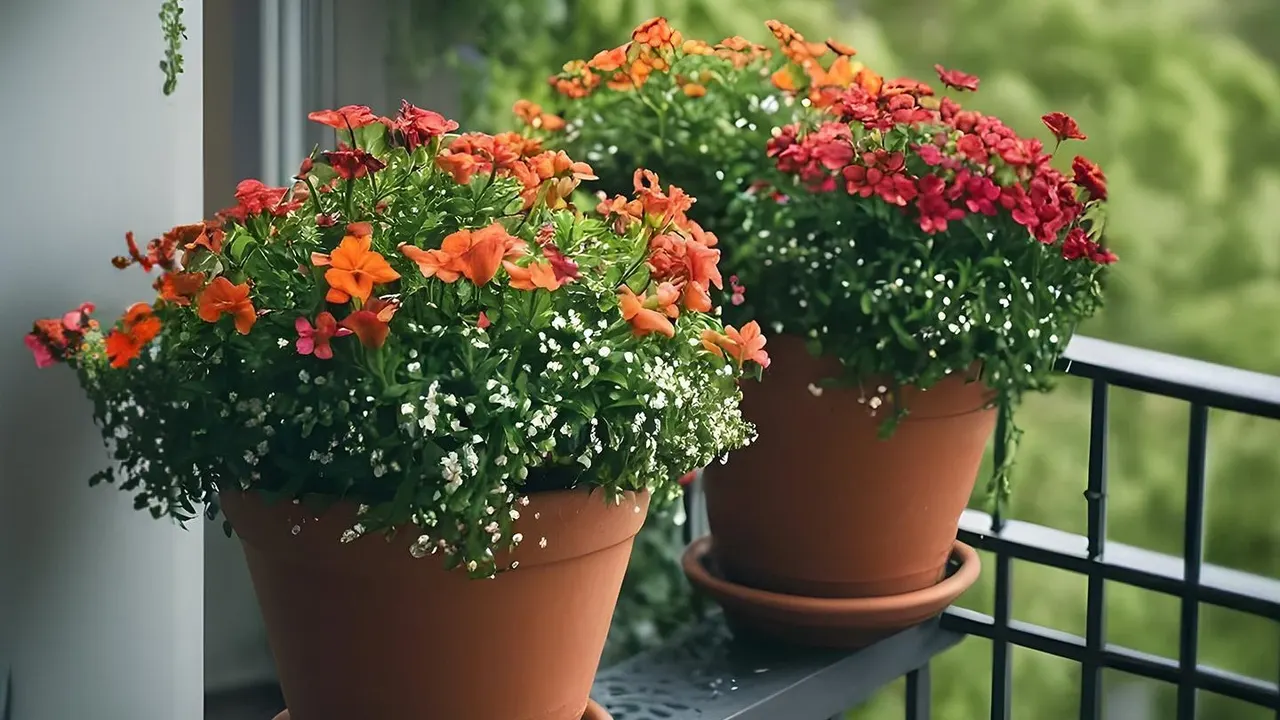
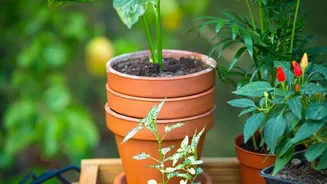
Across India's metros, from Mumbai to Bengaluru, residents are discovering the joy of container gardening. This movement isn't just about aesthetics; it's a practical response to modern urban life. With a desire for fresh, pesticide-free ingredients,
people are turning small spaces into productive mini-farms. The monsoon, with its cooler temperatures and natural humidity, creates the perfect conditions for many herbs to thrive, making it an ideal time to start. This trend brings flavour, saves money on expensive store-bought herbs, and offers a therapeutic connection to nature during the cosy, rainy months.
Essential Monsoon Herbs for Your Kitchen Garden
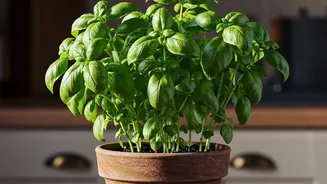
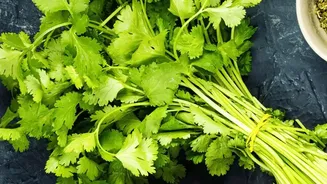
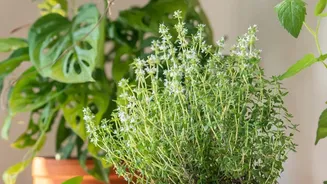
Not all herbs are created equal, especially when it comes to the damp and humid conditions of the Indian monsoon. However, several local favourites flourish during this season. Tulsi (Holy Basil) is a powerhouse, known for its immunity-boosting properties that are especially welcome when seasonal illnesses are common. Mint (Pudina) grows vigorously in the rain and is perfect for everything from chai to chutneys. Similarly, Coriander (Dhania) thrives in the cool, moist weather, ready to be snipped fresh as a garnish for dals and curries. For South Indian flavours, Curry Leaves (Kadi Patta) see a spurt of fresh, aromatic growth during the monsoon, perfect for tempering dishes.
Tips for a Thriving Monsoon Herb Garden
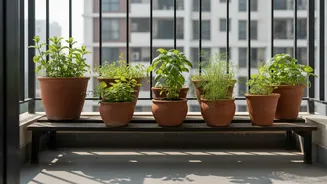
Growing herbs during the monsoon is surprisingly simple, but a few key tips can ensure a lush harvest. The most crucial factor is proper drainage. Heavy rains can easily waterlog pots, so ensure every container has holes at the bottom. Using a light, well-draining soil mix—a combination of garden soil, compost, and a little sand—is ideal. While the rain provides natural watering, it's important not to overdo it; always check if the top layer of soil is dry before watering again. Most herbs need about four to six hours of sunlight, so a spot on a balcony or a windowsill that gets adequate light is perfect. Finally, don't be afraid to harvest regularly. Pinching or cutting leaves frequently encourages the plants to become bushier and more productive.
More Than a Garnish: Flavour and Wellness
The appeal of homegrown herbs goes far beyond just flavour. Plucking fresh Tulsi for a warm kadha can help soothe a monsoon cold. A sprig of fresh Lemongrass, which grows well this season, adds a citrusy note to tea that helps fight tiredness in the humid weather. Ginger, another monsoon essential, warms the body and aids digestion. Using these fresh, potent herbs means your food is not only more flavourful but also packed with health benefits. Homegrown herbs are free from pesticides and have a higher nutritional value compared to store-bought alternatives that may have lost nutrients during transport and storage. This direct access to a natural pharmacy is a powerful way to boost well-being during a season that can often challenge our immunity.