


The End of an Era, The Start of a Race
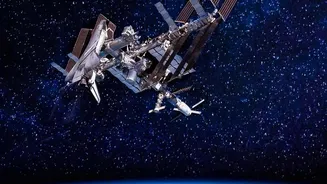
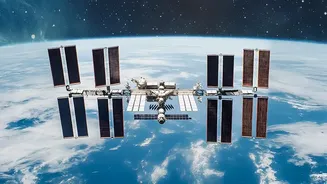
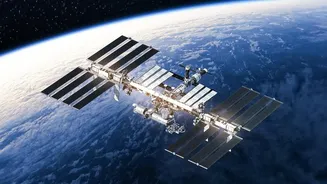
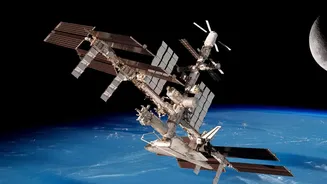
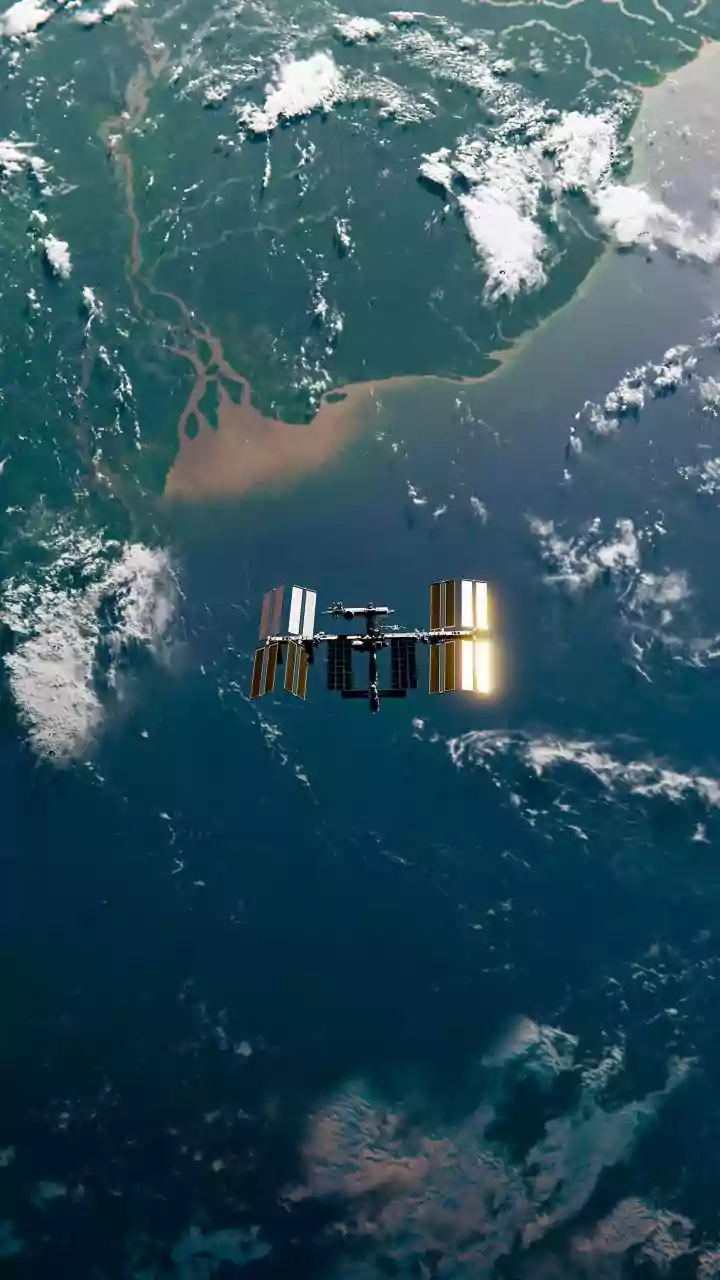
The International Space Station, a monumental achievement of global cooperation, is scheduled for a controlled deorbit into a remote Pacific Ocean region around 2030. This remarkable satellite, continuously inhabited since November 2000, has been a hub
for groundbreaking science. Its retirement creates a critical gap in low-Earth orbit (LEO) infrastructure. Recognizing this, NASA has pivoted from being an owner-operator to a future customer, fostering a new commercial marketplace through its Commercial LEO Destinations (CLD) program. The goal is to ensure an uninterrupted American presence in orbit for science and exploration by purchasing services from private space stations, much like it currently buys rides for cargo and crew. This has ignited a race among several ambitious aerospace companies to build, launch, and operate the successors to the ISS.
The Key Commercial Contenders
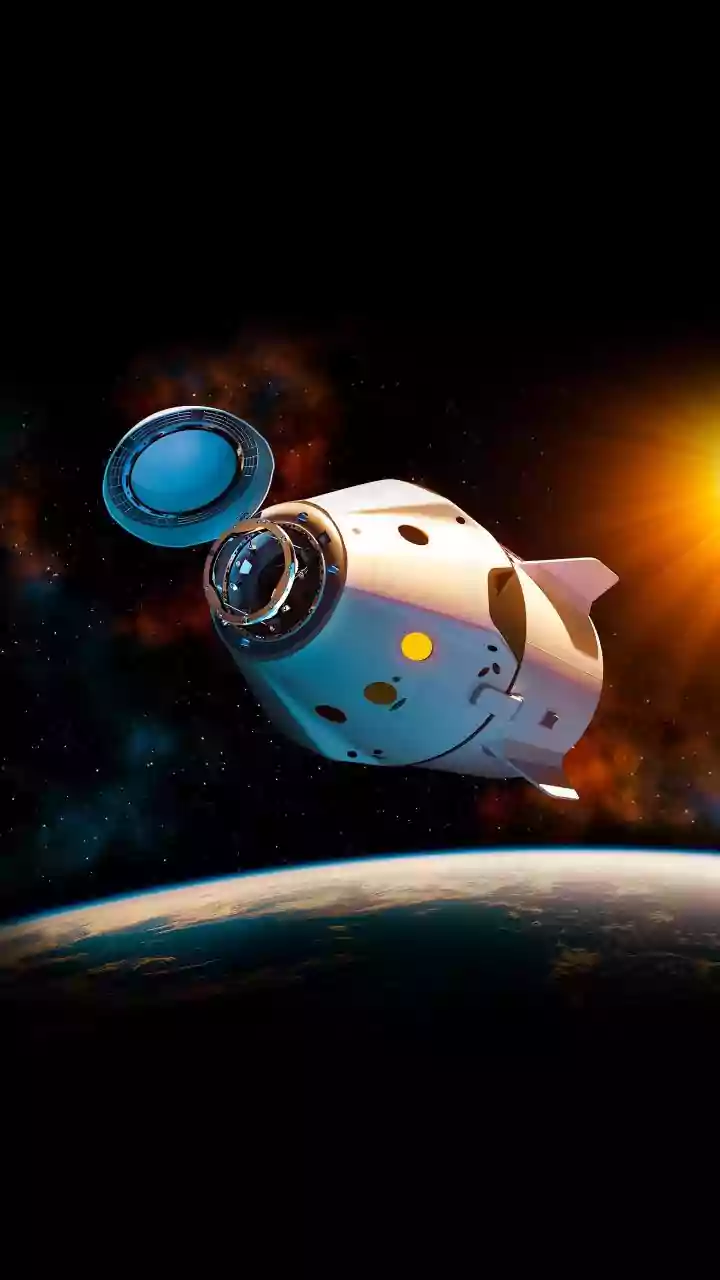
Several key players have emerged, each with a unique approach to building the next generation of orbital habitats. Axiom Space plans to launch its first module, the Payload Power Thermal Module, to attach to the ISS as early as 2027. Its modules will eventually detach to form a free-flying independent station called Axiom Station by 2028. Another major contender is Vast, which aims to launch the world's first standalone commercial space station, Haven-1, in early 2027 aboard a SpaceX Falcon 9. The company has already signed agreements for its first crewed mission, which will use a SpaceX Crew Dragon for transport. Other significant projects include the Starlab station from a Voyager Space and Airbus joint venture, and the Orbital Reef concept, a 'mixed-use business park' in space developed by Blue Origin and Sierra Space.
More Than Space Hotels: The Orbital Laboratory
While space tourism is part of the business model, the core purpose of these next-gen stations is science and manufacturing. These platforms are being designed as sophisticated orbiting laboratories. The unique microgravity environment allows for research impossible on Earth, with applications in medicine, materials science, and biotechnology. For example, Vast's Haven-1 will feature a microgravity research facility, Haven-1 Lab, with payload slots for private companies and governments. Partners like the Sanford Stem Cell Institute and the University of California San Diego are already lined up to conduct research. Axiom Station's plans include a dedicated Research and Manufacturing module. Sierra Space's inflatable LIFE habitats, intended for Orbital Reef, are designed to create large-volume environments for scientific discovery and a burgeoning LEO economy. The goal is to develop breakthrough products and processes, from growing pristine human tissues for transplants to manufacturing flawless fiber optics.
The Business Case for Low-Earth Orbit
The financial model for these private stations is diverse. NASA is expected to be a primary anchor tenant, purchasing mission time and lab space for its astronauts and experiments to continue the work done on the ISS. This provides a foundational revenue stream. Beyond NASA, these companies are targeting a wide range of customers. This includes foreign space agencies and governments seeking to conduct their own research without the massive expense of building a national space station; France, for instance, has already signed an agreement with Vast for a mission to Haven-1. Other customers include private companies pursuing commercial research and in-space manufacturing, and a small but growing market for private astronauts and space tourists. The success of these ventures hinges on creating a robust and diverse customer base to make their orbital platforms economically sustainable.
Challenges on the Final Frontier
The path to a commercialized low-Earth orbit is not without significant challenges. Building and operating a human-rated space station is an incredibly complex and expensive undertaking, with some projects like Orbital Reef having an estimated cost in the tens of billions. Companies face immense technical hurdles, from ensuring the reliability of life support systems to protecting habitats from micrometeoroid impacts. There have been reports of developmental friction between partners, such as Blue Origin and Sierra Space with Orbital Reef. Furthermore, NASA's own strategy for the transition has seen shifts, creating uncertainty for its commercial partners, although the agency has recently reaffirmed its commitment to supporting free-flying commercial stations. Ultimately, these companies are betting that the long-term value of a permanent human presence and industrial capability in orbit will outweigh the immense upfront risks and costs.