


The Plastic in Your Pantry
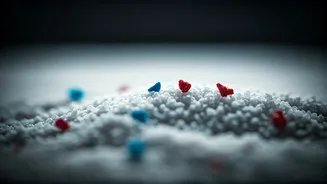
Several scientific studies have uncovered a startling fact: tiny plastic particles, known as microplastics, are present in many salt brands available in India. One study by researchers at IIT-Bombay found 626 microplastic particles in tested salt samples.
Another more recent investigation by the environmental research group Toxics Link tested 10 different types of salt and found microplastics in every single one. The concentration varied, with one sample of iodised salt containing nearly 90 pieces of microplastic per kilogram, while organic rock salt had the lowest count. These particles are mostly fibres and fragments, often smaller than 5 millimetres, making them invisible to the naked eye.
Where Does This Plastic Come From?
Microplastics are the result of larger plastic items—like bags, bottles, and industrial waste—breaking down in the environment. Their presence in salt is a direct indicator of widespread environmental pollution. For sea salt, the primary source is contaminated ocean water. India is one of the world's largest salt producers, and much of it is derived from seawater. As plastic waste floods our oceans, it breaks down and gets mixed into the water that is eventually evaporated to produce salt. However, it's not just sea salt. Studies have also found microplastics in mined rock salts, suggesting that contamination can also occur during processing, packaging, and from airborne plastic fibres.
Should You Be Worried About Health Risks?
The discovery of plastic in our food is unsettling, but what does it mean for our health? Currently, scientists are still working to understand the long-term effects. The concern is that microplastics don't just pass through our bodies. Some smaller particles may be absorbed and accumulate in tissues, potentially causing inflammation or disrupting bodily systems. Furthermore, these plastics can act like sponges, absorbing other environmental toxins like heavy metals and pesticides, and delivering them into our bodies. While an average Indian might consume around 117 micrograms of microplastic annually just from salt, the full impact of this chronic, low-level exposure is not yet fully known. Regulatory bodies state there is currently not enough evidence to demonstrate a definitive risk to human health from the levels detected in food.
Sea Salt, Rock Salt, or Black Salt: Which is Safer?
Given that sea salt is derived from oceans known to be polluted, many assume that mined rock salts like Himalayan pink salt are a purer alternative. However, the findings are surprisingly mixed. Some research indicates that sea salt often contains more microplastics due to direct water contamination. One Indian study noted that salt from borewell water had significantly lower counts than sea salt. Yet, other studies have found the highest concentrations in terrestrial salts like Himalayan pink salt and black salt, possibly due to contamination during processing and packaging. A 2024 study by Toxics Link found that among Indian brands, organic rock salt had the lowest concentration of microplastics, while iodised table salt had the highest.
How Can You Reduce Your Exposure?
While completely avoiding microplastics is nearly impossible in the modern world, you can take steps to reduce your intake. Since studies show varying levels of contamination across different salt types, opting for those with consistently lower reported counts, like certain rock salts, might be one approach. However, the issue extends far beyond the salt shaker. Microplastics are also found in tap water, bottled water, seafood, and even in the air we breathe. Practical steps to lower overall exposure include filtering your drinking water, avoiding storing or microwaving food in plastic containers, using non-plastic cutting boards like wood, and choosing natural fabrics over synthetics to reduce plastic fibres in your home environment.