
The Two Faces of Iron
Iron is a vital mineral that our bodies need for energy, growth, and transporting oxygen in our blood. But not all dietary iron is created equal. There are two main types: heme and non-heme iron. Heme iron, found in animal products like meat, poultry,
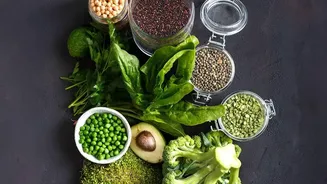
and fish, is easily absorbed by the body. Non-heme iron, on the other hand, is the type found in plant-based foods such as lentils, beans, spinach, and whole grains. While abundant in vegetarian diets, non-heme iron is trickier for our bodies to absorb, meaning we might get less of it than we think, even from an iron-rich meal.
Vitamin C: The Absorption Superhero
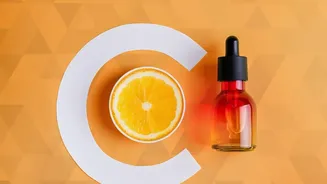
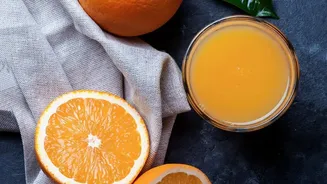
This is where Vitamin C comes in as a nutritional superhero. Also known as ascorbic acid, Vitamin C is a powerful enhancer of non-heme iron absorption. Its magic lies in its ability to convert plant-based iron from its ferric (Fe3+) form into the more soluble ferrous (Fe2+) form, which our gut can absorb much more efficiently. In fact, studies have shown that adding Vitamin C to a meal can dramatically increase the uptake of non-heme iron. While the exact amount varies depending on the meal, research suggests that as little as 25mg of Vitamin C can double the absorption rate, and larger amounts can boost it even more. This simple synergy can counteract some of the natural compounds in plants, like phytates and polyphenols, which can otherwise block iron absorption.
The Power Couple: Citrus and Greens
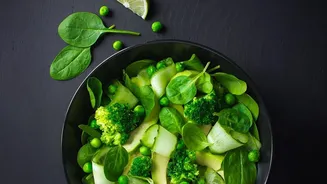
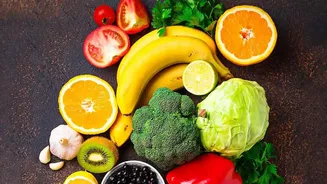
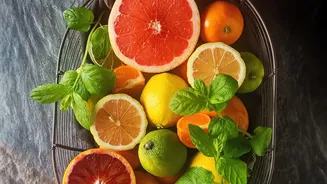
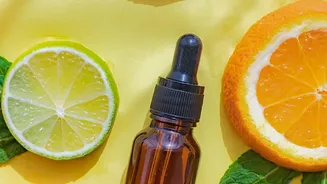
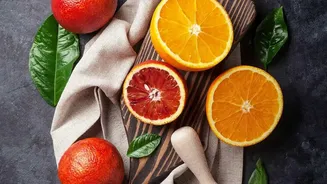
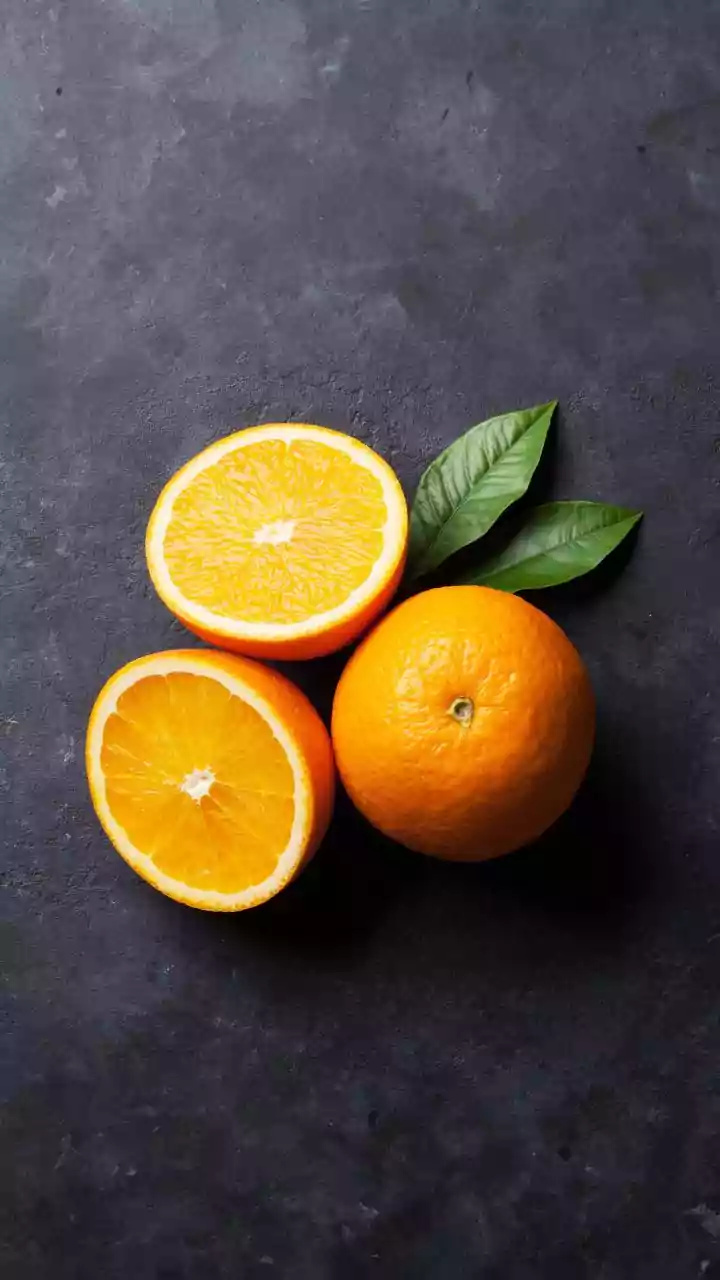
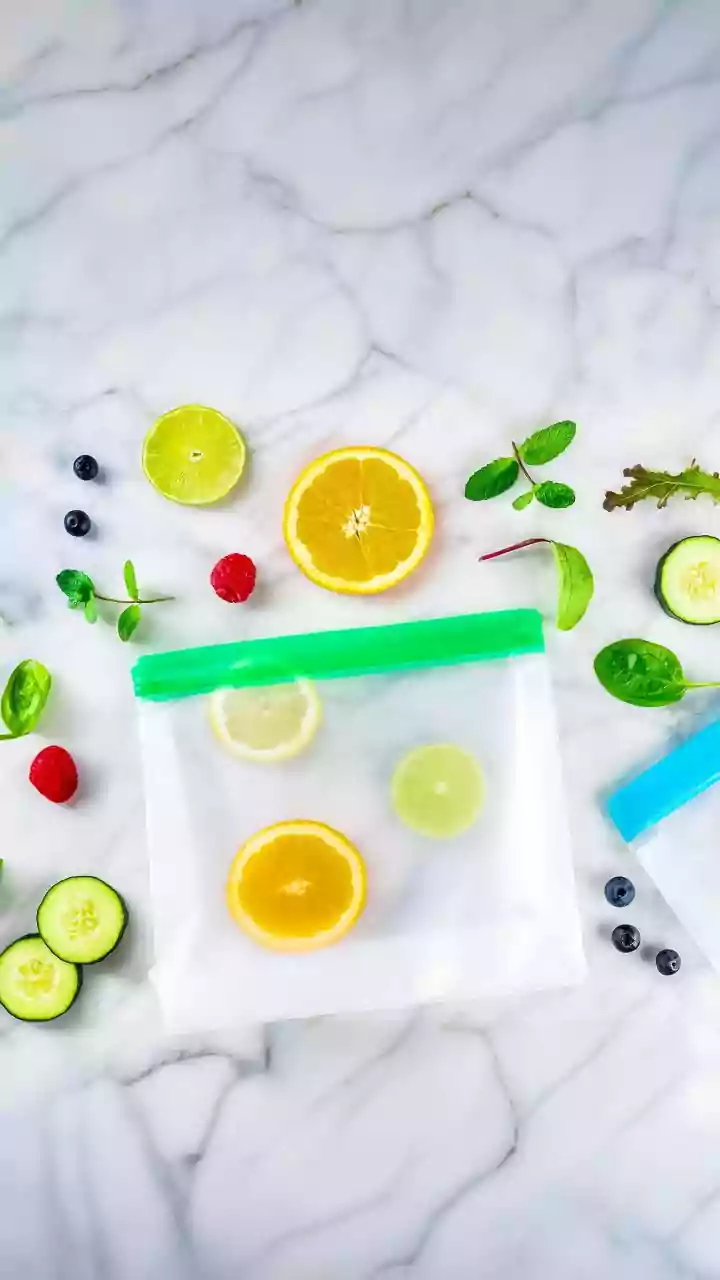
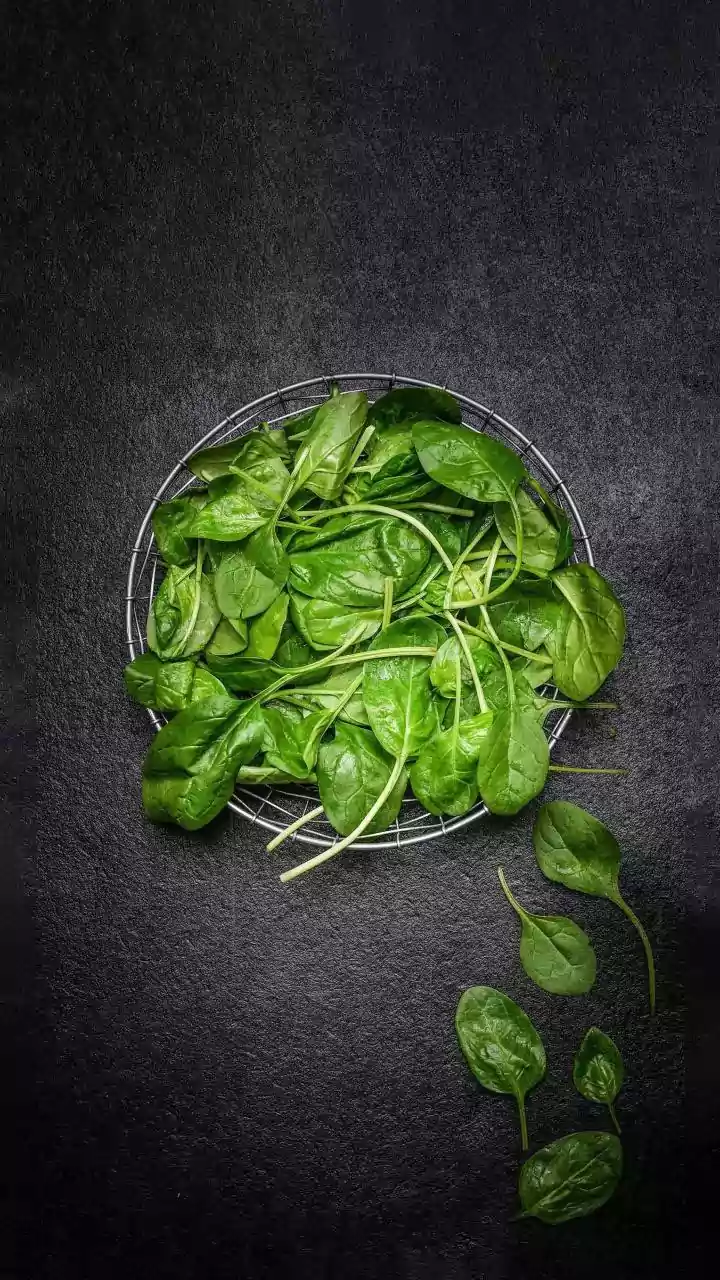
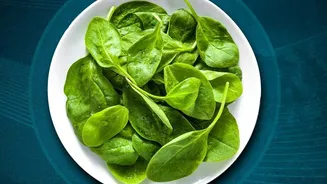
The headline combination of citrus fruits and leafy greens is a classic example of this nutritional teamwork. Leafy greens like spinach (palak), amaranth (chaulai), and fenugreek (methi) are well-known sources of plant-based iron. Spinach itself even contains some Vitamin C. However, to truly maximize iron absorption from these greens, pairing them with a dedicated Vitamin C source is key. Citrus fruits like lemons, oranges, and limes are packed with this essential vitamin. A simple squeeze of lemon juice over your palak paneer or dal, or adding orange segments to a spinach salad, provides the ascorbic acid needed to unlock the iron within the greens.
Beyond the Basics: Everyday Indian Pairings
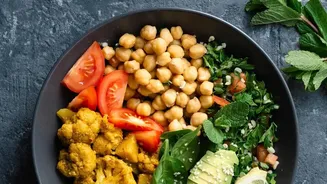
This principle extends far beyond salads. You can easily incorporate this strategy into everyday Indian cooking. Think about adding tomatoes (rich in Vitamin C) to your lentil and bean curries like dal or rajma. A side of amla (Indian gooseberry), one of the richest natural sources of Vitamin C, can be a powerful addition to any meal. Consider a bell pepper (Shimla mirch) and tofu stir-fry, as both broccoli and tofu are good plant-based iron sources. Even your daily roti, often made from whole wheat flour containing iron, can be paired with a sabzi rich in Vitamin C. For a quick breakfast or snack, a smoothie blending spinach, fruits like berries or mango, and a handful of seeds can be an iron-boosting powerhouse.
Watch Out for Iron Blockers
Just as some foods enhance iron absorption, others can inhibit it. The main culprits are compounds called tannins and phytates. Tannins, found in tea and coffee, can significantly reduce iron absorption, which is why it’s often advised to avoid drinking them with your main meals. Phytates, present in whole grains, legumes, and nuts, can also bind to iron, making it less available. While these foods are incredibly healthy and shouldn't be avoided, the good news is that Vitamin C is powerful enough to help overcome the inhibitory effects of these compounds, making it an even more valuable partner to your plant-based meals.