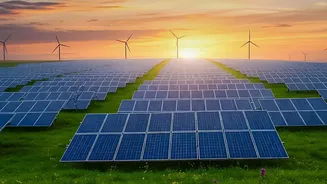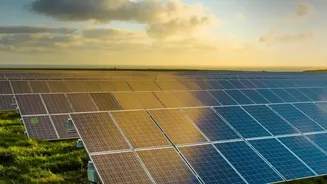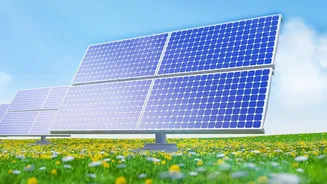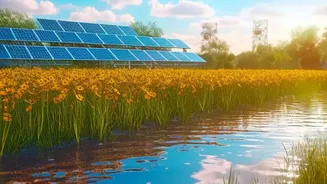




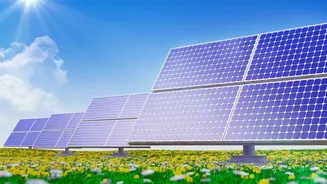
India faces a dual challenge: finding enough land for its ambitious solar energy goals and securing its agricultural future. A novel solution called agrivoltaics, which combines farming and solar panels on the same land, is showing early promise.
Farming in the Shade of Progress
Agrivoltaics,
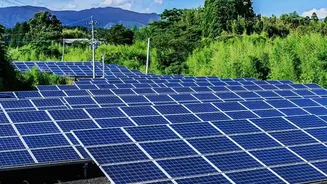
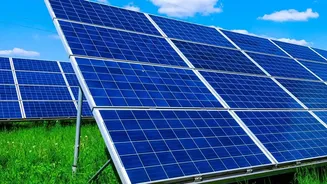
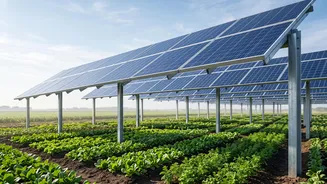
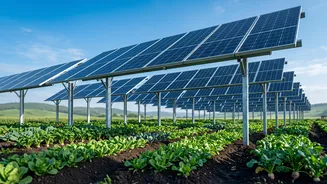
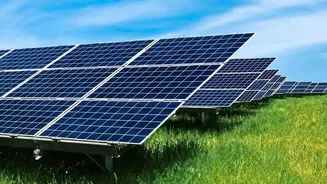
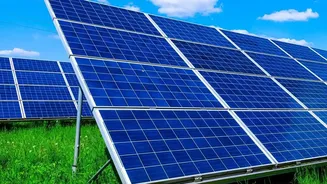
also known as dual-use solar, is a simple but powerful idea: install solar panels on structures elevated several metres above the ground, allowing crops to be cultivated underneath. Instead of competing for land, energy and food production can happen simultaneously on the same plot. This approach is gaining traction globally, but it holds special promise for India, where over half the land is used for agriculture and the pressure to expand renewable energy is immense. Early experiments, most notably by the Central Arid Zone Research Institute (CAZRI) in Jodhpur, are providing a blueprint for how this synergy can work in Indian conditions.
Early Successes in Arid Lands
The results from pilot projects are encouraging. At CAZRI in Jodhpur, scientists installed a 105-kilowatt system and began tracking its impact. One of the most significant findings is the creation of a cooler, more humid microclimate under the panels. This partial shade reduces heat stress on plants and lowers soil water evaporation, a crucial benefit in dry regions. This has allowed for the successful cultivation of various crops, including leafy vegetables like spinach, medicinal plants, and pulses like mung bean and moth bean. While there can be a minor reduction in yield for some crops compared to open-field farming due to the shade, the overall economic picture is often far brighter.
More Than Just a Crop
The true success of agrivoltaics lies in its ability to generate multiple revenue streams for farmers. They continue to earn from their crops while also generating income from selling electricity to the grid. This 'third crop' provides a stable, year-round income, even during droughts or poor harvest seasons. Estimates from the Jodhpur project suggested that annual income per acre could jump dramatically from traditional rain-fed farming. Furthermore, the panel structures help reduce wind erosion of topsoil and can be fitted with rainwater harvesting systems, collecting precious water for drip irrigation. This holistic approach boosts land productivity and farmer resilience in the face of a changing climate.
Key Lessons and Lingering Challenges
While promising, these are still early days. A key lesson is that there is no one-size fits all solution. The success of an agrivoltaics project depends heavily on careful planning. Not all crops are suitable; plants that require intense, direct sunlight, like rice and sugarcane, have not fared well in trials, whereas shade tolerant leafy greens, spices, and certain vegetables thrive. The design of the solar array itself—the height of the panels and the spacing between rows—must be tailored to the specific crops being grown and the machinery used. The initial setup cost is also a significant hurdle, as agrivoltaic systems are about 25–40% more expensive than conventional ground mounted solar farms due to the need for taller, stronger support structures. For India's small and marginal farmers, this upfront investment is a major barrier without financial support. Developing clear government policies and subsidies, potentially through schemes like PM–KUSUM, will be crucial for wider adoption.