


Snake Plant (Dracaena trifasciata)
Often called 'mother-in-law's tongue', the snake plant is nearly indestructible, making it perfect for beginners. Its upright, sword-like leaves add a touch of modern elegance to any room. This plant is a superstar during the monsoon because it's highly
susceptible to root rot, so its tolerance for being underwatered is a major advantage when the air is damp and soil dries slowly. It thrives in a wide range of light conditions, from low light to bright, indirect sunlight. During the rainy season, you should reduce watering frequency significantly. Wait for the soil to dry out completely before giving it another drink. In fact, it's better to underwater this plant than to overwater it.
ZZ Plant (Zamioculcas zamiifolia)
The ZZ plant, or Zanzibar Gem, is another champion of low-maintenance gardening. With its wide, dark green, glossy leaves, it looks perpetually healthy and polished. The ZZ plant is exceptionally drought-tolerant because its underground rhizomes store water, making overwatering its biggest enemy. This makes it well-suited for the monsoon when high humidity can keep the soil moist for longer periods. While it can handle very low light, it grows best in bright, indirect light. Water only when the soil is completely dry, roughly every 2-3 weeks, and even less during the monsoon. It is one of the most forgiving plants you can own, happily thriving on neglect.
Money Plant (Epipremnum aureum)
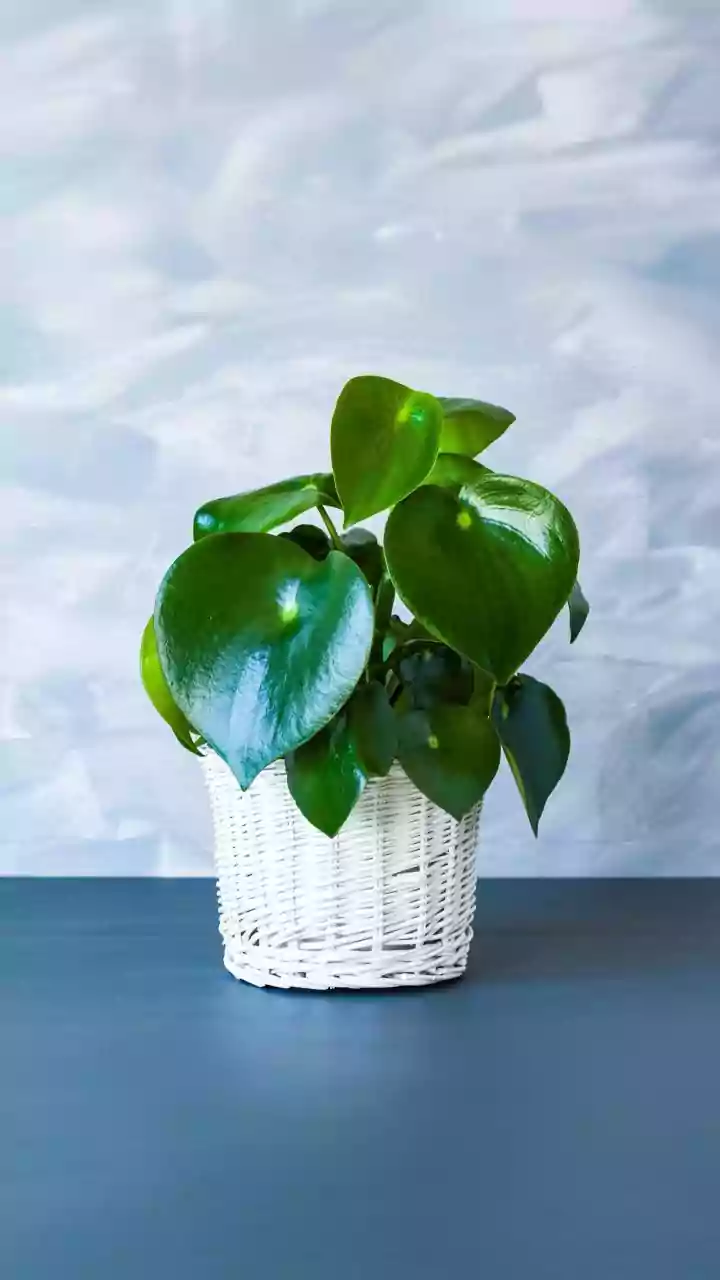
A staple in Indian households, the Money Plant is loved for its fast-growing, heart-shaped leaves and the good fortune it's said to bring. This versatile vine thrives in the high humidity of the monsoon season. It can be grown in soil or just a bottle of water, making it incredibly adaptable for apartment living. Money plants prefer bright, indirect light but can tolerate low-light conditions, though their variegation might fade. The key to monsoon care is to cut back on watering. High humidity slows evaporation, so the soil stays wet longer. Always check that the top 2-3 inches of soil are dry before watering again to prevent the leaves from yellowing.
Peace Lily (Spathiphyllum)
For those who want a flowering plant, the Peace Lily is an excellent choice. Its elegant white blooms look like flags of peace against its glossy, dark green leaves. These tropical plants love high-humidity environments, making the monsoon their ideal growing season. They are also known for their ability to absorb excess moisture from the air. Peace Lilies are quite tolerant of low-light conditions, a common feature of rainy days, but will flower more profusely with bright, indirect light. One of their most endearing qualities is their tendency to droop dramatically when thirsty, taking all the guesswork out of watering. During the monsoon, be sure to let the top inch of soil dry out before watering to avoid root rot.
Spider Plant (Chlorophytum comosum)
The Spider Plant is a charming and resilient choice, known for its arching leaves and the little 'spiderettes' that dangle from the mother plant. These plants are exceptionally easy to grow and are great air purifiers. They tolerate a range of conditions but prefer bright, indirect light and can even grow under artificial lighting. During the monsoon, they handle the excess moisture in the air well. The main thing to watch for is waterlogging. Ensure the pot has good drainage and water only when the soil feels slightly dry to the touch. They are tough and can survive a bit of neglect, making them another fantastic option for new plant parents.
Aglaonema (Chinese Evergreen)
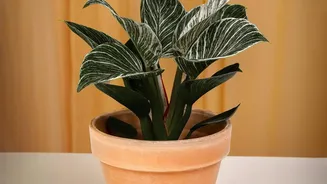
Aglaonema, or Chinese Evergreen, is celebrated for its lush, patterned leaves that come in shades of green, silver, red, and pink. As tropical plants, they thrive in the warm, humid conditions that the Indian monsoon provides. They are also renowned for their ability to tolerate low light, making them perfect for shadier corners of an apartment that get less sun during overcast days. Different varieties have different light needs; darker green types tolerate lower light, while more colourful varieties prefer bright, indirect light. Like other plants on this list, the primary monsoon challenge is overwatering. Allow the top two inches of soil to dry out before watering again to keep it healthy.