





The Great Urban Sponge
Cities are fundamentally different from the countryside, and nowhere is this more obvious than in how they handle heat. Rural areas, full of vegetation, soil, and water, use the sun's energy for processes like evapotranspiration, which has a natural cooling
effect. Urban areas, however, are dominated by non-permeable, heat-absorbing materials. Concrete, asphalt, brick, and dark roofing act like giant thermal sponges, soaking up huge amounts of solar radiation all day long. These materials have a high thermal capacity, meaning they can store significantly more heat than natural surfaces. A sun-baked patch of asphalt can be many degrees hotter than the air temperature, and our cities are covered in it. This phenomenon, known as the Urban Heat Island (UHI) effect, is why cities can be several degrees warmer than their surrounding rural areas.
The Midnight Bake
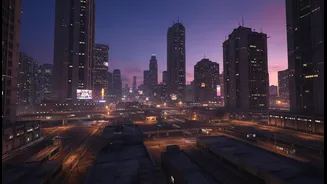
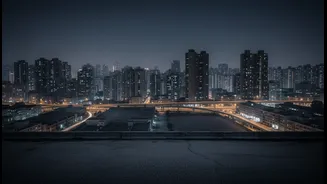
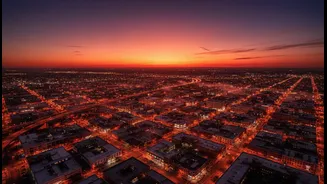
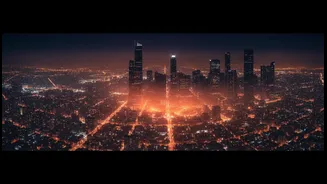
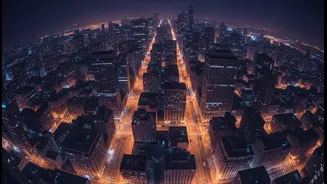
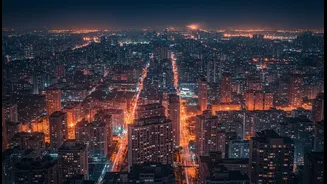
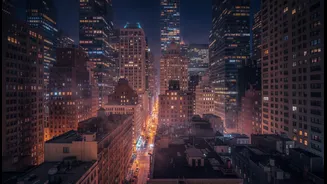
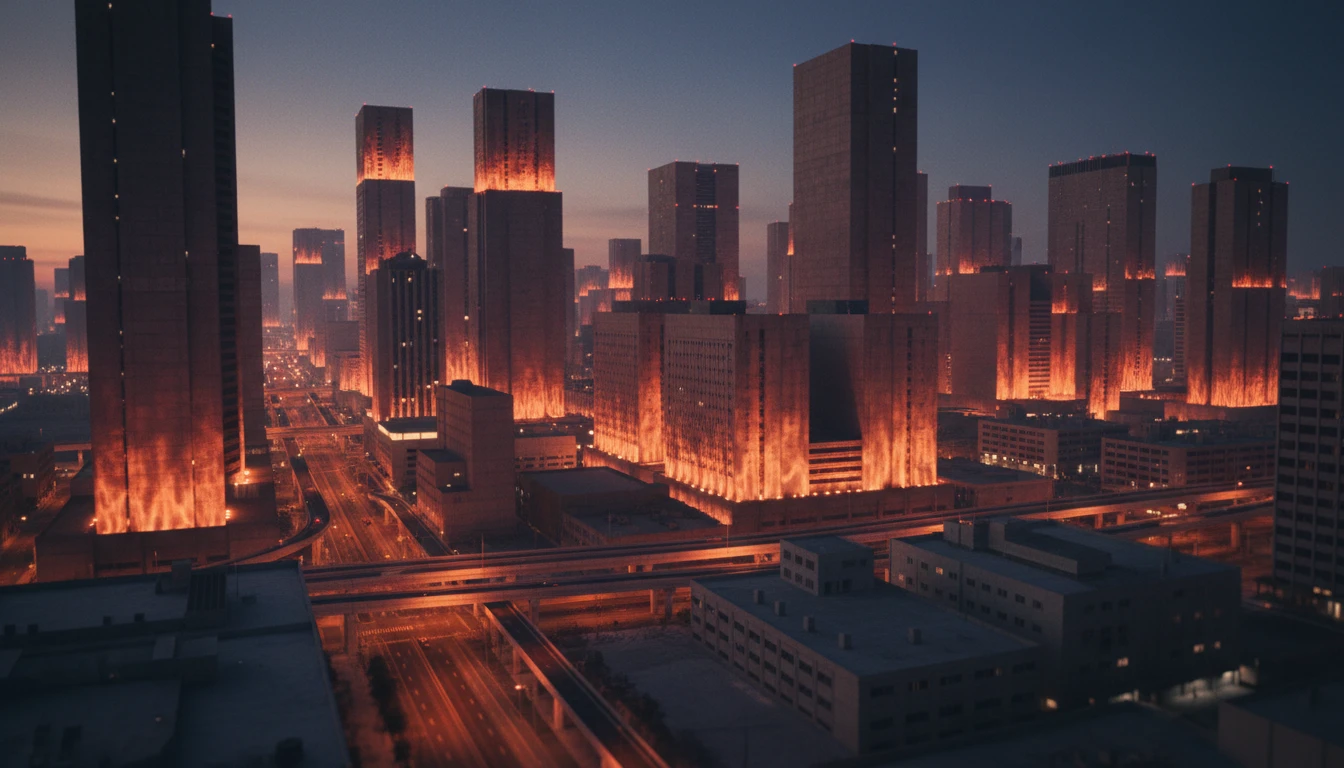
The real danger of the urban heat island emerges after sunset. While rural landscapes cool down relatively quickly once the sun is gone, our concrete jungles begin to slowly release all the heat they've stored throughout the day. This process continues for hours, meaning that well past midnight, buildings and pavements are still radiating warmth into the air, keeping ambient temperatures dangerously elevated. The temperature difference between a city and its surroundings is often greatest at night. In some cases, urban areas can be up to 12°C warmer in the evening. This relentless, round-the-clock heat prevents the natural cool-down period that our bodies and our buildings rely on for relief.
When Open Windows Fail
For generations, the simplest cooling strategy has been to open a window at night, letting cooler air circulate. But in a modern city experiencing the UHI effect, this method becomes ineffective, even counterproductive. When the air outside remains stubbornly warm deep into the night, there is no cool breeze to welcome in. Natural ventilation relies on a significant temperature difference between indoors and outdoors to work. With elevated nighttime temperatures, this differential shrinks or disappears entirely. The air flowing in is not cool enough to lower the temperature of the building's interior, which has also been absorbing heat all day. This traps residents in a cycle of heat, forcing a greater reliance on energy-intensive air conditioning, which in turn releases more waste heat into the city atmosphere, further exacerbating the problem.
A Hidden Health Crisis
Persistently high nighttime temperatures are more than just uncomfortable; they are a serious public health threat. Our bodies need to cool down and recover from daytime heat stress, a process that primarily happens at night. When there is no relief, the risk of heat-related illnesses like heat exhaustion and heatstroke skyrockets. Studies have shown that hot nights carry an additional risk of mortality, particularly for the elderly, young children, and those with chronic conditions like heart disease. Research has linked excessive nighttime heat to an increase in hospitalizations for cardiovascular and respiratory issues. This silent, overnight threat is one of the most dangerous aspects of urban heat, occurring when people are at their most vulnerable.
Designing Cooler Cities
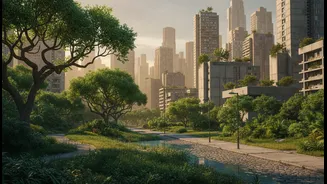
The problem of the midnight bake is man-made, which means it also has man-made solutions. Urban planners and architects are now exploring strategies to mitigate the UHI effect. One of the most effective is the use of 'cool pavements' and 'cool roofs'. These involve using materials with a higher albedo, or reflectivity, such as lighter-coloured concrete or special reflective coatings, which absorb less of the sun's energy. Another powerful tool is the reintroduction of nature. Increasing green spaces, planting more trees for shade, and installing green roofs (roofs covered in vegetation) can provide significant cooling effects through shade and evapotranspiration, helping to break the cycle of heat absorption and radiation. By rethinking the very surfaces that make up our cities, we can begin to design a cooler, safer, and more sustainable urban future.