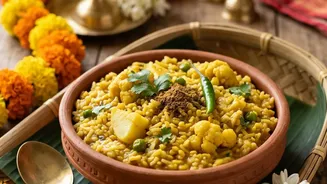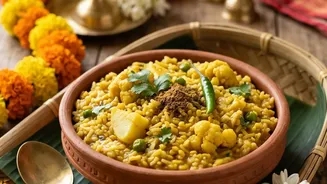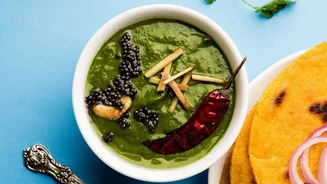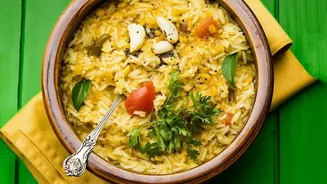

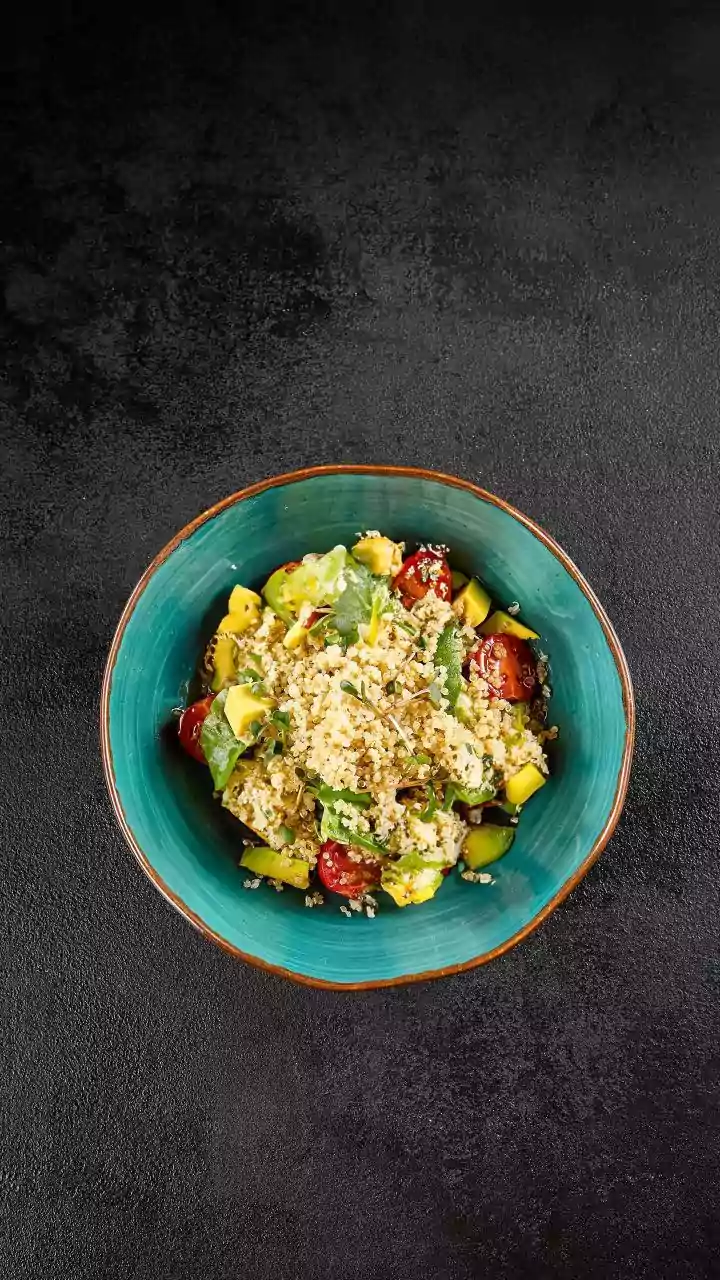
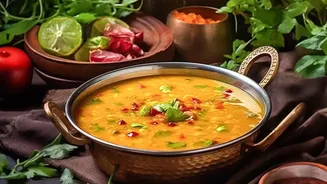
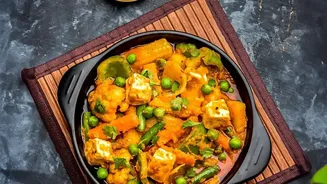
In the world of Indian comfort food, few dishes evoke a sense of warmth and nourishment quite like dalia and khichdi. Both are staples in households across the country, celebrated for their simplicity and wholesome goodness. But which one wins?
The Contenders: Defining the Dishes
At first
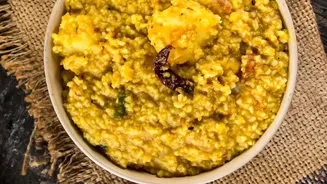
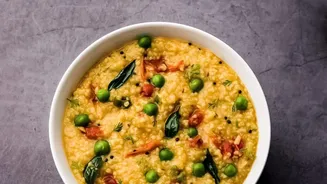
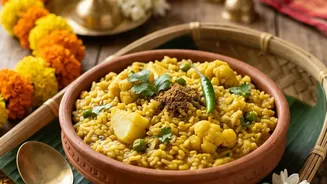
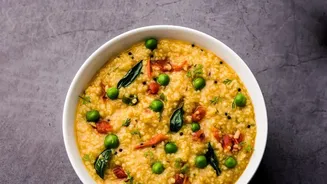
glance, both appear similar—soft, savoury, and easy on the stomach. But their core ingredients set them apart. Dalia is made from cracked or broken wheat, meaning it's a whole-grain product that retains its nutrient-rich bran and germ. It can be cooked into a sweet porridge or a savoury upma-style dish. Khichdi, on the other hand, is a classic one-pot meal made by cooking rice and lentils (most commonly moong dal) together until they form a soft, integrated consistency. Its history is deeply rooted in Ayurvedic traditions as a healing and balancing meal.
The Nutritional Report Card
This is where the real competition begins. Dalia's primary strength is its high fibre content. Because it's a minimally processed whole grain, it is packed with dietary fibre—around 10 to 12 grams per 100g of raw dalia. This makes it excellent for digestive health and promoting a feeling of fullness. It's also a source of complex carbohydrates, which release energy slowly and help maintain stable blood sugar levels, reflected in its low glycemic index (GI) of around 41-55. Khichdi’s superpower lies in its protein quality. The combination of rice and lentils creates a 'complete protein,' providing all nine essential amino acids your body needs. Rice is low in the amino acid lysine, which lentils have in abundance, and lentils are low in methionine, which rice provides. A standard bowl of moong dal khichdi offers a balanced mix of carbs and about 8-9 grams of this high-quality protein.
The Digestion and Comfort Factor
Both dishes are famously gentle on the stomach, which is why they are the go-to meals during illness or for those with sensitive digestive systems. Khichdi, especially the simple version made with moong dal, is a cornerstone of Ayurvedic cleanses and is recommended for gut healing. Its soft, mushy texture requires very little digestive effort. Dalia is similarly soothing, often prepared as a soft porridge for babies, the elderly, or anyone in recovery. While both are excellent, khichdi is often considered the gold standard for easy digestion due to the light nature of split moong dal.
The Weight Management Angle
For those focused on weight management, dalia often comes out ahead. Its high fibre content is key, as it slows down digestion and keeps you feeling full for longer, which can prevent overeating and unnecessary snacking. The slow release of energy from its complex carbs also prevents the blood sugar spikes and crashes that can trigger cravings. While khichdi can also be part of a weight loss diet, especially if made with lots of vegetables and minimal ghee, dalia's superior fibre content gives it a distinct advantage in promoting satiety.
Versatility in the Kitchen
Both dalia and khichdi are incredibly versatile. Dalia can be made sweet ('meetha dalia') for a nutritious breakfast, cooked with vegetables for a savoury upma, or even combined with lentils to create its own version of khichdi. Khichdi’s variations are nearly endless, with different regions of India using various dals, grains like millets instead of rice, and a wide array of spices. You can boost the nutritional value of either dish by loading them with vegetables, which adds vitamins, minerals, and extra fibre. However, preparation is key; adding large amounts of ghee, oil, or sugar can quickly turn these healthy meals into calorie-dense dishes.