





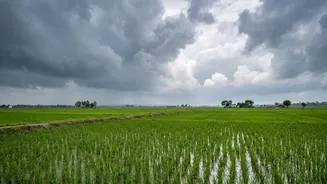

The Final Act of the Monsoon
The Southwest Monsoon is the lifeblood of India's economy, with the June to September period accounting for about 70% of the country's annual rainfall. While a low-pressure system is expected to bring heavy rain to parts of East and Central India in the first
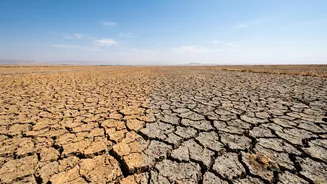
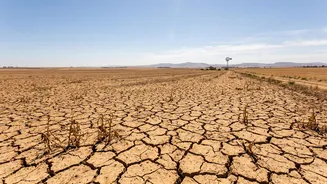
week of September, the overall outlook for the month remains subdued. Multiple weather agencies have pointed towards the growing strength of the El Niño phenomenon, which is historically associated with weaker monsoon winds and drier conditions in India. Forecasts from private agency Skymet have projected September rainfall to be significantly below normal, potentially making this one of the weakest monsoons in years. Though the official IMD forecast for September is awaited, earlier projections for the August-September period also indicated below-normal precipitation. This sets a tense stage for the final weeks of the Kharif crop season.
Kharif Crops at a Critical Juncture
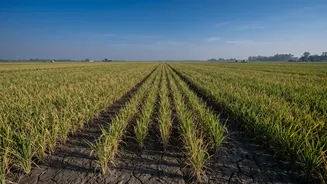
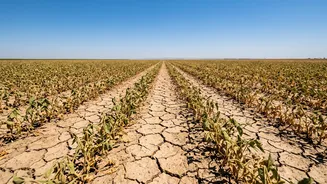
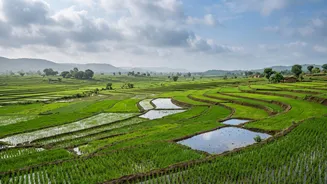
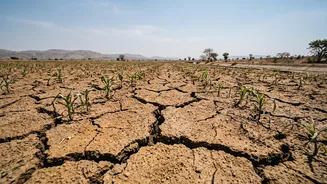
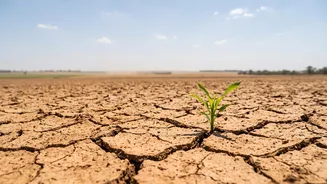
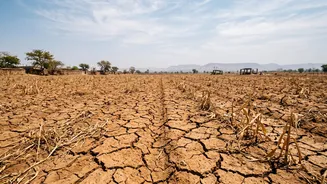
For farmers, a dry September is a significant cause for concern. As of late August, the total area sown with Kharif crops was slightly behind last year's figures, with a notable deficit in the sowing of paddy (rice). Many of these summer crops, including rice, pulses, soybeans, and cotton, are now in their critical grain-filling or reproductive stage. This is when they are most thirsty and require adequate moisture to ensure healthy development and a good harvest. A lack of rain can lead to moisture stress, stunting crop growth and severely impacting the final yield. Even in irrigated areas, rainfall is essential for optimal growth. While Kharif sowing has picked up pace after a sluggish start, lower yields due to a weak end to the monsoon could still threaten the agricultural output.
The Strain on Water Reservoirs
The monsoon doesn't just water the current crops; it also fills the country's major water reservoirs. These stored water reserves are crucial for drinking water supplies and, importantly, for irrigating the next crop cycle—the Rabi or winter season, which includes staples like wheat. As of late August 2026, water levels in India's 166 major reservoirs were at about 68% of capacity, which is nearly 18% below the levels recorded at the same time last year and also below the 10-year average. Regions in the south and north are facing particularly large deficits. A dry September would mean these reservoirs do not get their final, crucial top-up, which could leave less moisture in the soil and less water available for planting winter crops, potentially creating a cascading effect on food production.
The Ripple Effect on Food Prices
The connection between rainfall and household budgets is direct. A shortfall in agricultural production tightens supply, which can lead to a rise in food prices. Economists are watching the monsoon's performance closely, as food inflation has already shown signs of rising. Analysts have warned that a weak monsoon could disrupt the supply of key staples and vegetables, putting upward pressure on inflation in the latter half of the year. Some reports suggest that a significant rainfall deficit could add as much as one percentage point to headline inflation. With India's inflation outlook now critically dependent on late-season monsoon performance, a dry September could mean consumers have to pay more for essential food items in the coming months, impacting household budgets across the country.