




A high-profile AFC Champions League match featuring Cristiano Ronaldo was abruptly delayed on Monday, not by weather, but by a chilling missile threat over Riyadh. The incident was a stark reminder of the volatile regional politics that persist in the background
of the Kingdom's global sports ambitions.
An Unsettling Delay in Riyadh
Fans were settling into their seats at Al-Awwal Park in Riyadh for the match between Al-Nassr and Uzbek club Neftchi Fergana. Excitement was building, with Cristiano Ronaldo set to lead the Al-Nassr front line. However, just before the scheduled kickoff, an official notice appeared on stadium screens announcing a one-hour delay. The vague reason given was a 'security alert' issued by Saudi Arabia's Civil Defense, which created a ripple of confusion and concern. While the stadium announcer reassured the crowd that the situation was safe, residents across the city had received alerts on their phones advising them to stay indoors and away from windows due to a 'hostile aerial threat'.
The Nature of the Threat
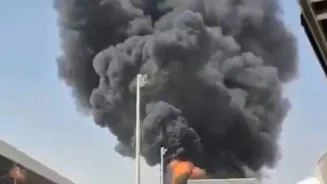
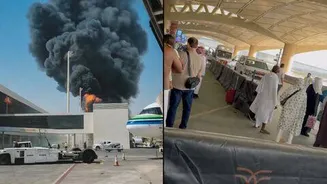
It soon became clear that the delay was a serious matter. The Saudi-led coalition confirmed that its air defense forces had successfully intercepted and destroyed at least one ballistic missile launched toward the capital by Houthi rebels based in Yemen. Loud explosions were reportedly heard by residents in the city around the time of the interception. While the stadium was not a direct target, official protocol in such events requires a temporary halt to large public gatherings to ensure a thorough security assessment is completed and there is no further risk. The hour-long delay was a precautionary measure to guarantee the safety of the thousands of fans and the players before the match could proceed.
A Familiar Shadow Over the Kingdom
For residents of Saudi Arabia, the threat of missile attacks is a grim and recurring reality of the ongoing conflict in neighboring Yemen. The Iran-backed Houthi movement has frequently launched drones and missiles targeting Saudi cities, airports, and oil infrastructure for years. While the Kingdom possesses a sophisticated air defense system that intercepts the vast majority of these projectiles, the security alerts serve as a constant reminder of the regional instability. This incident, however, was particularly notable as it directly intersected with a major international sporting event, bringing the conflict into the global spotlight in a way that few other events can.
The Show Must Go On
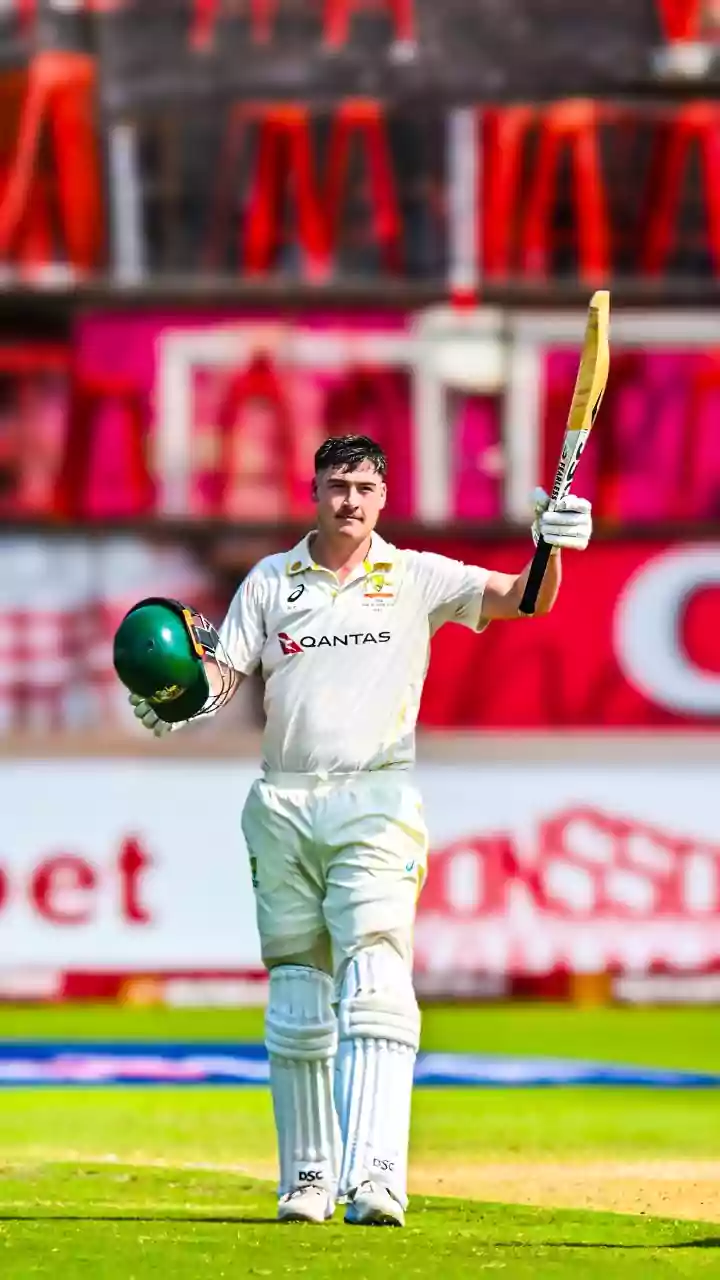
Following the tense wait, authorities gave the all-clear, and the players re-emerged to a supportive crowd. The match kicked off with a charged atmosphere, and the events of the evening did not seem to affect Ronaldo, who scored Al-Nassr's second goal just before halftime. Al-Nassr went on to win the match 3-1. The result, however, felt secondary to the simple fact that the event proceeded safely. The successful interception and the subsequent continuation of the match were presented as a sign of resilience, but the initial disruption was impossible to ignore.
Sportswashing Meets Reality
The incident starkly highlights the inherent tension in Saudi Arabia's Vision 2030 strategy. A core pillar of this vision is to leverage sports and entertainment to project an image of a modern, open, and safe nation, an effort critics often label 'sportswashing'. The Kingdom has spent billions to attract superstars like Ronaldo and host major sporting events. The goal is to rebrand the nation on the global stage. However, an airborne missile threat that delays a flagship league match powerfully demonstrates that regional realities cannot be entirely insulated from this new image. It forces a global audience, drawn in by the appeal of a football icon, to confront the complex security landscape the sportswashing narrative often seeks to obscure.