




Plan Your Route, Check the Weather
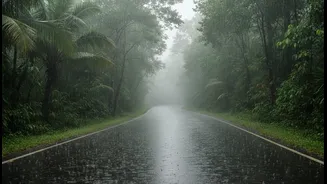
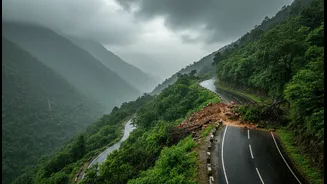
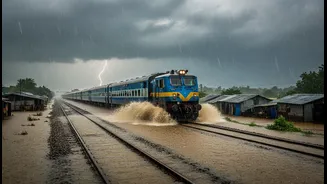
Spontaneity is fun, but not when it comes to monsoon travel. Before you leave, thoroughly research your route and destination. Some areas are more prone to flash floods, landslides, and severe waterlogging. Use resources like the India Meteorological
Department (IMD) website to check for weather alerts such as 'Yellow', 'Orange', or 'Red' warnings for your intended district. A 'Red' alert means you should postpone or reroute your trip. It’s also wise to have a flexible itinerary with buffer days, as rain can cause unexpected delays and detours. Call your hotel ahead to confirm they have power backups, a common issue during heavy downpours.
Prepare Your Vehicle Thoroughly
Your car is your first line of defence against the elements. A pre-trip service is non-negotiable. Pay special attention to your tyres, brakes, and wipers. Tyre treads should be well above the minimum depth (at least 2mm) to ensure a good grip on wet, slippery roads. Worn-out tyres are a major hazard and can lead to skidding or hydroplaning. Ensure your brakes are in top condition, as stopping distances increase on wet surfaces. Functional wiper blades are crucial for visibility; if they leave streaks, replace them. Also, check that all lights—headlights, taillights, and fog lamps—are working perfectly to ensure you can see and be seen.
Master Safe Driving Techniques
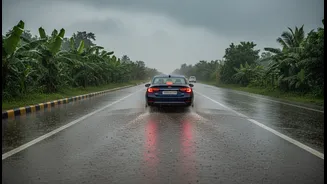
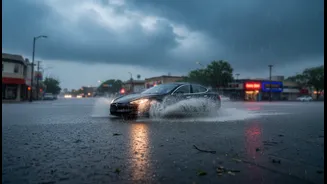
Driving in the monsoon requires a different mindset. The number one rule is to slow down. Reduce your speed significantly compared to dry conditions and increase the following distance between your car and the one ahead. This gives you more time to react and brake safely. Avoid sudden acceleration, braking, or sharp turns, as these actions can destabilize your vehicle on a wet road. Be wary of waterlogged areas. It's impossible to know the depth or what hazards like potholes or debris might be hidden underneath. If you must drive through water, do so at a low and steady speed to maintain control and prevent your engine from stalling.
Pack a Smart Monsoon Kit
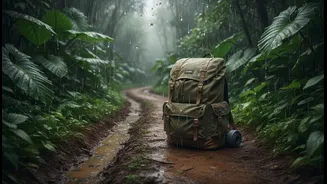
Smart packing goes beyond clothes. Your monsoon emergency kit should be easily accessible. Include a comprehensive first-aid kit with bandages, antiseptic wipes, and medications for common ailments like fever and stomach issues. An insect repellent is essential, as stagnant water is a breeding ground for mosquitoes carrying diseases like dengue and malaria. Pack dry snacks, biscuits, and plenty of bottled water in case of long traffic jams or delays. A powerful torch, a fully charged power bank, and waterproof bags or ziplock pouches for electronics and documents are also must-haves.
Prioritise Health and Hygiene
The monsoon's high humidity creates a breeding ground for germs. Prioritise personal hygiene to avoid falling sick. Wash your hands frequently with soap and water, or use a hand sanitiser, especially before eating. Be cautious about food and water. Avoid street food and stick to freshly cooked meals from hygienic places. Drink only bottled, boiled, or purified water to prevent waterborne diseases like typhoid and cholera. To protect against fungal infections, ensure everyone stays as dry as possible and changes out of wet clothes and shoes promptly.
Keep the Kids Safe and Happy
Travelling with children requires extra planning. Pack quick-drying clothes and several extra outfits, as kids are bound to get wet and messy. Waterproof shoes or sturdy sandals with good grip are essential to prevent slips and keep feet dry. Rain can mean long hours spent indoors or in the car, so pack entertainment like books, small games, or a tablet with their favourite shows. Explain the safety rules to them, like not playing in puddles or near fast-flowing water, to ensure they understand the risks while still enjoying the trip.