


Choose Your Destination Wisely
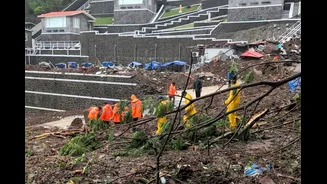
Not all hill stations are created equal during the monsoon. Some regions are notoriously prone to landslides and flash floods. Areas in Himachal Pradesh like Manali and Shimla, and parts of Uttarakhand such as Mussoorie, frequently experience road blockages
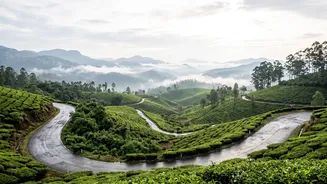
during heavy rains. Similarly, the Darjeeling-Kalimpong belt and high-risk zones in Kerala like Munnar and Wayanad can become inaccessible. For a safer bet, consider destinations in the Western Ghats like Lonavala and Khandala, which have better connectivity, or Mount Abu in Rajasthan, which offers a gentler monsoon experience. Pachmarhi in Madhya Pradesh and the backwaters of Kerala are also atmospheric alternatives with lower risks.
Pre-Trip Checks Are Non-Negotiable
Preparation is your first line of defence against travel chaos. Before you even pack, check your vehicle thoroughly. Ensure your tyres, brakes, wipers, and headlights are in excellent condition, as wet roads increase braking distances and reduce visibility. Monitor weather forecasts and local advisories from official sources daily in the week leading up to your trip. It's also wise to plan for a flexible itinerary. Book hotels with lenient cancellation policies and have a backup route in mind in case your primary one is closed. Adding a buffer day or two to your schedule can prevent stress if delays occur.
Pack Smart for Wet and Unpredictable Conditions
Your packing list for a monsoon trip should prioritize function over fashion. A lightweight waterproof jacket and a sturdy, wind-resistant umbrella are essential. Opt for quick-drying synthetic clothes over cotton, which stays wet and heavy. Waterproof footwear with a strong grip is crucial for navigating slippery paths and muddy trails. Beyond clothing, pack a comprehensive first-aid kit, insect repellent, and any personal medications. To protect your electronics and important documents like your ID and travel bookings, use waterproof bags or zip-lock pouches. A fully charged power bank is another must-have, as power cuts can be common.
On the Road: Drive Defensively and Stay Alert
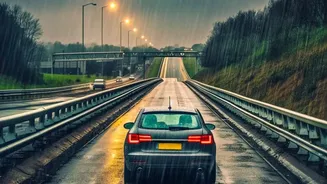
Driving in the hills during monsoon demands your full attention. The golden rule is to avoid driving at night. Rain, fog, and the risk of falling debris make roads significantly more dangerous after dark. Maintain a slower speed than usual and keep a safe distance from the vehicle ahead to account for longer braking distances on wet surfaces. Be vigilant for warning signs of instability, such as sudden changes in water flow from clear to muddy in streams, which can signal an impending landslide. Never attempt to cross a flooded road or a fast-flowing stream. It is always better to wait for the water to recede or turn back.
What to Do if You Get Stranded
Despite the best planning, you might find yourself stranded due to a landslide or a major roadblock. If this happens, your safety is the priority. Stay away from the immediate slide area, as there could be a danger of further slides. Stay in your vehicle if it's in a safe location away from the unstable slope. Listen to local radio or check official social media channels for updates from authorities. It's crucial to have emergency contacts, snacks, and drinking water handy. If you are caught outside a vehicle, move to higher ground as quickly as possible. If escape isn't possible, curl into a tight ball and protect your head.